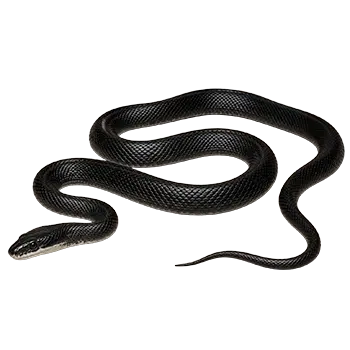

The Black Rat Snake is one of the most commonly kept colubrid species in North American herpetoculture, and its dietary requirements are among the most straightforward of any captive snake. In the wild, Pantherophis obsoletus is an opportunistic predator that feeds primarily on rodents, birds, bird eggs, and the occasional lizard or frog. This generalist diet reflects the species' adaptability across its wide geographic range, which spans from southern New England through the Midwest and deep into the southeastern United States. In captivity, the Black Rat Snake thrives on a simple whole-prey diet built around commercially bred mice and rats, making it one of the easiest large colubrids to feed consistently.
Whole-prey feeding is the nutritional cornerstone for captive Black Rat Snakes because it delivers a complete nutritional package in every meal. A single mouse or rat provides muscle protein, organ-derived vitamins and minerals, skeletal calcium and phosphorus, fat for energy reserves, and fur or hair for digestive fiber. This self-contained nutritional profile means that a Black Rat Snake fed appropriately sized whole prey on a regular schedule rarely develops the deficiencies that plague animals fed incomplete or processed diets. The elegance of whole-prey nutrition is that it mirrors what the snake's digestive system evolved to process, eliminating the guesswork involved in assembling nutrients from disparate sources.
Caloric balance is an important consideration despite the Black Rat Snake's relatively moderate adult size. A healthy adult specimen typically reaches four to six feet in length and maintains a lean, muscular body condition. Overfeeding is one of the most common husbandry errors among keepers of this species, particularly because Black Rat Snakes are enthusiastic feeders that rarely refuse a meal. An overfed Black Rat Snake develops visible fat deposits along its body, loses the defined musculature along the spine, and becomes increasingly sedentary. Obesity in snakes contributes to hepatic lipidosis, reduced reproductive success, and a measurably shortened lifespan, making portion control and feeding frequency as important as prey quality.
Hydration plays a supporting but essential role in the nutritional health of the Black Rat Snake. While much of the animal's water intake comes from the prey itself, a clean, appropriately sized water bowl must be available at all times. Black Rat Snakes drink regularly when given the opportunity, and adequate hydration supports efficient digestion, healthy kidney function, and smooth shedding cycles. Dehydration can lead to retained shed, constipation, and elevated uric acid levels, all of which compound over time into more serious health concerns if left unaddressed.