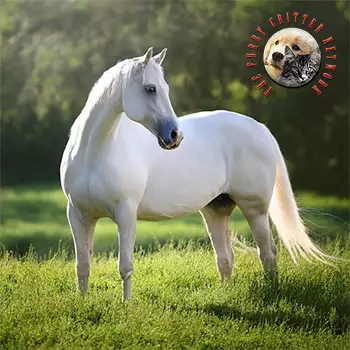

Hanoverians are intelligent, curious horses that thrive on mental stimulation. Bred for disciplines that demand focus and problem-solving, they bring that same cognitive energy to their downtime. A Hanoverian left in a stall with nothing to do will often invent its own entertainment, and the results are rarely desirable. Cribbing, weaving, stall walking, and wood chewing are all common stereotypic behaviors that develop in response to boredom and insufficient stimulation.
Understanding how your individual Hanoverian interacts with objects is the first step in choosing effective enrichment. Some horses are highly motivated by food puzzles and will work persistently to extract treats from dispensers. Others are more tactile and enjoy manipulating objects with their lips and teeth. Still others are primarily social and derive more stimulation from visual contact with other horses or from interactive play with a handler. Observing your horse's natural tendencies during turnout and in the stall will guide your enrichment strategy.
The goal of enrichment is not simply to fill time but to provide opportunities for species-appropriate behavior. Foraging, exploring, and manipulating objects are all natural equine activities that get suppressed in heavily managed environments. Reintroducing these behaviors through well-chosen toys and enrichment setups can reduce stress hormones, improve digestion, and create a calmer, more content horse.
Rotation is key to maintaining a Hanoverian's interest in any enrichment program. Even the most engaging toy loses its novelty after continuous exposure. Keeping a selection of enrichment items and cycling them every few days prevents habituation and keeps each interaction fresh and stimulating.