
Space Requirements

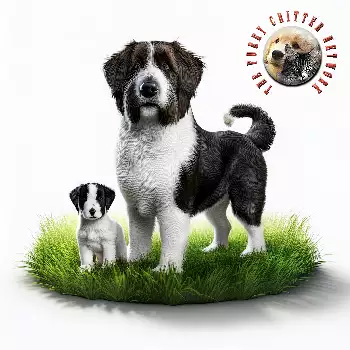
The Stabyhoun is a medium-sized sporting dog that was bred to work across open Frisian farmland, and that heritage translates into a genuine need for space. While the breed is calm and well-mannered indoors, a Stabyhoun that lacks adequate room to move and explore will quickly become restless. A home with a securely fenced yard is ideal, as it allows the dog to patrol, sniff, and stretch its legs between structured exercise sessions.

For apartment or smaller-home living, a Stabyhoun can adapt if daily exercise needs are met consistently, but the indoor space should still allow the dog to move freely without constantly navigating around furniture. Designate a specific area where the dog can rest undisturbed — Stabyhouns appreciate having a defined spot they can claim as their own, whether that is a corner of the living room or a quiet nook in a hallway.

Yard fencing should be at least four to five feet high. While the Stabyhoun is not an extreme jumper or escape artist compared to some sporting breeds, their curiosity and prey drive can motivate them to investigate gaps or low points in a fence line. Solid fencing or reinforced chain-link is preferable to invisible fencing, as the Stabyhoun's independent nature may lead them to push through a shock boundary when sufficiently motivated by wildlife.

Indoor flooring is worth considering as well. The breed's medium build and active movement style can be hard on slick surfaces, particularly as dogs age. Rugs or textured mats in high-traffic areas provide traction and reduce the risk of slipping, which can contribute to joint stress over time.

Crates & Kennels

A properly sized crate serves as a safe retreat, a housetraining tool, and a travel necessity for the Stabyhoun. For this medium-sized breed, a 36- to 42-inch crate typically provides enough room for the dog to stand, turn around, and lie down comfortably. If purchasing a crate for a puppy, look for models that include a divider panel so you can adjust the interior space as the dog grows, preventing the puppy from using one end as a bathroom.

Wire crates offer excellent ventilation and visibility, which suits the Stabyhoun's desire to stay aware of household activity even while resting. Many wire models fold flat for storage or transport, adding practical versatility. For dogs that prefer a more enclosed, den-like environment, draping a breathable cover over three sides of a wire crate can create that sense of security without sacrificing airflow.

Plastic airline-style crates are the standard for air travel and can also serve as a quieter, more enclosed resting space at home. They are generally more durable against chewing than wire options, which can matter during the adolescent phase when some Stabyhouns test boundaries. Heavy-duty crates with reinforced latches and welded construction are available for dogs that are particularly anxious or persistent, though most Stabyhouns do not require this level of containment.

Crate training should be a gradual, positive process. The Stabyhoun's sensitive and loyal temperament means that forcing crate time or using it as punishment will be counterproductive and can create lasting anxiety. Short, rewarded sessions that build positive associations with the crate are far more effective and align with the breed's cooperative nature.

Beds & Sleeping Areas

The Stabyhoun's medium frame and moderate coat benefit from a bed that provides both cushioning and support. Orthopedic beds with memory foam or high-density foam cores distribute weight evenly and protect joints, making them a sound investment even for younger dogs that will benefit as they age. Look for beds sized to allow the dog to stretch out fully, as Stabyhouns often sleep on their sides with legs extended.

Bolster-style beds appeal to many Stabyhouns, as the raised edges provide a sense of enclosure and a place to rest the head. These beds mimic the natural nesting behavior that the breed sometimes displays, circling and pawing at bedding before settling. For dogs that run warm, flat mat-style beds or elevated cot-style beds allow air circulation beneath the dog, which can be more comfortable in heated homes or during warmer months.

Cover material matters for durability and maintenance. The Stabyhoun's long, slightly wavy coat sheds moderately year-round with heavier seasonal blows, so removable, machine-washable covers are essential for keeping the sleeping area hygienic. Look for fabrics that resist hair adhesion and can withstand frequent washing without pilling or losing their shape. Water-resistant liners beneath the cover protect the foam core from accidents and drool.

Placement of the bed should balance the dog's desire to be near the family with the need for undisturbed rest. A spot in the main living area works well during the day, while a quieter bedroom location encourages better nighttime sleep. Some owners find that having two beds — one for each primary resting area — prevents the dog from commandeering furniture as an alternative.

Outdoor Enclosures

Outdoor enclosures and dog runs give the Stabyhoun a secure space to enjoy fresh air and movement when direct supervision is not possible. A well-designed run should be at least six feet wide and fifteen to twenty feet long for a medium breed, with fencing at least five feet tall. Chain-link panels with secure gate latches are the most common construction, though welded wire panels offer a cleaner look and can be easier to configure in different yard layouts.

Ground surface within the enclosure is an important but often overlooked consideration. Bare dirt quickly turns to mud in wet climates, which is particularly relevant given the Stabyhoun's Dutch origins and the breed's comfort working in damp conditions — they will not avoid mud on their own. Pea gravel, rubber mulch, or composite decking tiles provide drainage and a cleaner surface. Concrete is easy to sanitize but can be hard on joints and uncomfortably hot in direct sun.

Shade and shelter within the outdoor space are non-negotiable. A weatherproof doghouse or covered section protects against sun, rain, and wind. The shelter should be elevated slightly off the ground to prevent moisture accumulation and sized so the dog can enter, turn around, and lie down comfortably. Insulated models are available for climates with temperature extremes, though the Stabyhoun should never be left outdoors for extended periods in severe weather.

Enrichment elements within the enclosure prevent boredom and reduce the likelihood of digging or fence-chewing. A sturdy platform to perch on, a sandbox designated for digging, or a rotating selection of outdoor-safe toys can keep the space engaging. The goal is a safe outdoor extension of the living environment, not a substitute for family interaction and structured exercise.

Climate Considerations

The Stabyhoun's double coat — a longer, slightly wavy outer layer over a dense undercoat — provides natural insulation against cold and wet conditions, reflecting the breed's origins in the damp, cool climate of the Netherlands. This coat allows them to tolerate cold weather quite well, making them comfortable in northern climates and during winter months without requiring heavy outerwear in most situations.

Heat is a greater concern for the breed. The same insulating coat that protects against cold can trap body heat in warm or humid weather. During summer months, ensure that indoor spaces are well-ventilated or air-conditioned, and limit outdoor activity to cooler parts of the day. Access to shade and fresh water is critical whenever the dog is outside. Wading pools or sprinklers can provide welcome cooling opportunities, as many Stabyhouns enjoy water.

Indoor climate control should maintain a comfortable ambient temperature. While the Stabyhoun does not require a tropical environment, excessively dry heated air during winter can affect skin and coat health. A humidifier in the dog's primary living area can help maintain coat condition and reduce static-related discomfort during dry months.

For owners in extreme climates, seasonal adjustments to the dog's living setup may be necessary. Cooling mats or elevated mesh beds help in summer, while heated pet pads or insulated crate liners provide additional warmth during harsh winters. Monitor your Stabyhoun's behavior for signs of discomfort — excessive panting, seeking cool surfaces, or reluctance to go outside are all cues that the environment needs adjustment.

Multi-Pet Households

The Stabyhoun's gentle and tolerant nature generally makes it a good candidate for multi-pet households, but thoughtful management of shared living spaces is still important. Each dog in the home should have its own designated resting area — crate, bed, or both — where it can retreat without competition. Resource guarding, while not a hallmark of the breed, can emerge in any dog when space and belongings are not clearly delineated.

Feeding stations should be separated to prevent food-related tension. Even dogs that coexist peacefully during play and rest can become reactive when high-value resources like food bowls are placed too close together. Feeding in separate rooms or at staggered times eliminates this potential friction point entirely and allows you to monitor each dog's intake accurately.

When introducing a Stabyhoun to a household with cats or small animals, remember that the breed has a natural prey drive rooted in its pointing and retrieving heritage. While many Stabyhouns learn to coexist with cats, especially when raised together, initial interactions should be carefully managed with barriers and gradual introductions. Baby gates that allow visual contact without physical access are effective tools during the acclimation period.

Shared outdoor spaces require equal consideration. If multiple dogs share a yard or run, ensure the space is large enough to prevent crowding and that each dog has access to shade, water, and shelter without being blocked by a more dominant animal. Rotating toys and enrichment items in shared spaces helps distribute resources and reduces competitive behavior. The Stabyhoun's cooperative temperament is an asset in multi-pet settings, but proactive management always outperforms relying on good nature alone.

Always consult a qualified professional before making any health-related decisions. This content is provided for informational reference only and should not replace professional guidance specific to your animal.