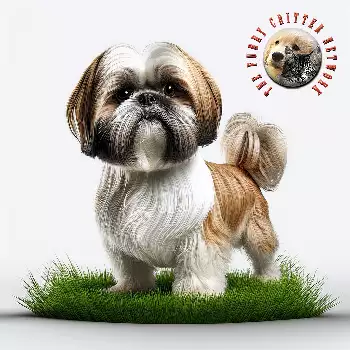

Shih Tzus were bred as companion dogs for Chinese royalty, and their play style reflects that heritage. They are not high-drive working dogs that need intense physical challenges — instead, they tend toward short bursts of enthusiastic play followed by extended rest periods. Understanding this rhythm is key to selecting toys that match your dog's natural inclinations rather than fighting against them.
Most Shih Tzus enjoy interactive play with their owners more than solitary activity. They are social dogs that derive pleasure from shared experiences, which means toys that facilitate cooperative play — tug ropes, toys you can toss for short retrieves, and items that encourage back-and-forth engagement — tend to get more use than toys designed for independent entertainment. A toy that sits in the corner untouched is often a sign of a mismatch between the product and the breed's social play preference.
Despite their reputation as lapdogs, Shih Tzus can be surprisingly playful and spirited when the mood strikes. Many display a characteristic "Shih Tzu zoomie" — a sudden burst of frantic running and spinning that lasts a minute or two before the dog collapses contentedly. These spontaneous energy releases are normal and entertaining, and having a few lightweight toys scattered around the play area gives the dog something to grab during these bursts.
Age significantly affects play style in this breed. Shih Tzu puppies are more active and mouthy, requiring durable toys that withstand chewing. Adult dogs settle into their preferred play patterns, and senior Shih Tzus often shift toward gentler activities like nosework and low-intensity puzzle solving. A well-curated toy collection evolves as the dog ages.