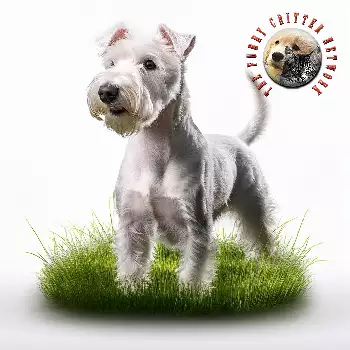

Collars, Harnesses & Leashes

Selecting the right collar and leash setup for a Sealyham Terrier requires consideration of the breed's compact build, strong neck, and terrier tendency to pull when something catches their attention. A flat buckle collar in nylon or leather is suitable for everyday wear and carrying identification tags, but many Sealyham owners find that a harness provides better control and safety during walks. Because the breed has a relatively thick neck and low center of gravity, a collar alone can put pressure on the trachea if the dog lunges or pulls suddenly.

Back-clip harnesses are the most common choice for small breeds and work well for Sealyhams that walk calmly on leash. For dogs that tend to pull, a front-clip harness redirects forward momentum by turning the dog toward the handler when they surge ahead. This gentle correction discourages pulling without placing strain on the neck or spine. Look for harnesses with adjustable straps at both the chest and girth to ensure a snug, customized fit that does not chafe the skin beneath the Sealyham's dense coat.

Leash selection depends on walking style and environment. A standard six-foot leash in leather or biothane offers the right balance of control and freedom for most situations. Retractable leashes are popular but carry some risk — the thin cord can cause rope burns, and the retraction mechanism can malfunction at inconvenient moments. If you prefer to give your Sealyham extra range during walks in open areas, a long training lead of 15 to 30 feet is a safer alternative that provides freedom without sacrificing control.

For Sealyhams involved in conformation showing, a thin show lead that combines collar and leash into a single loop is standard. These leads are designed to be minimally visible in the ring and require a trained dog that moves calmly and precisely on a loose lead. Practice with a show lead well before ring day so that both you and your Sealyham are comfortable with its feel and function.

Grooming Tools

The Sealyham Terrier's coat is one of its defining features and requires regular maintenance to stay healthy and attractive. The double coat consists of a soft, dense undercoat beneath a wiry, weather-resistant outer coat. For show dogs, the coat is maintained through hand-stripping — a technique where dead outer hairs are plucked by hand or with a stripping knife to encourage the growth of new, properly textured coat. Pet owners may opt for clipping, which is easier and faster but tends to soften the coat texture over time.

A quality slicker brush is the workhorse of Sealyham grooming. Regular brushing several times a week prevents matting, removes loose undercoat, and distributes natural oils throughout the coat. A stainless steel comb with both wide and fine teeth is essential for working through any tangles the slicker brush misses, particularly behind the ears, under the legs, and around the furnishings on the face and belly. Always brush before bathing, as water can tighten existing mats into nearly impossible knots.

Stripping knives and stripping stones are necessary tools for owners who choose to maintain the traditional hand-stripped coat. These tools come in various tooth widths for different areas of the body — coarser teeth for the back and sides, finer teeth for the head and ears. Learning to hand-strip properly takes practice and patience. Many new Sealyham owners benefit from a few lessons with an experienced terrier groomer before attempting it on their own.

Beyond coat care, grooming essentials for the Sealyham include nail clippers or a rotary nail grinder, ear cleaning solution with cotton pads, and a canine toothbrush with enzymatic toothpaste. The Sealyham's beard and facial furnishings require daily attention to remove food debris and prevent staining. A small comb and damp cloth kept near the feeding area make post-meal beard cleaning a quick and easy routine.

Bowls & Feeders

The right food and water bowls can make mealtimes cleaner and more comfortable for your Sealyham Terrier. Stainless steel bowls are the gold standard for durability, ease of cleaning, and resistance to bacteria. Unlike plastic bowls, which can scratch and harbor bacteria in the micro-abrasions, stainless steel maintains a smooth surface that is simple to sanitize. Plastic bowls can also cause contact allergies in some dogs, leading to irritation or discoloration around the muzzle.

Ceramic bowls are another good option, offering weight and stability that prevent the bowl from sliding across the floor during enthusiastic eating. Choose lead-free, food-grade ceramic bowls with a glazed interior for easy cleaning. The main drawback of ceramic is that it can chip or crack if dropped, creating sharp edges that pose a safety risk, so inspect ceramic bowls regularly and replace them at the first sign of damage.

For Sealyhams with long facial furnishings, narrow and deep bowls or specially designed spaniel bowls can help keep the beard and ear feathering out of the food and water. These bowls have tapered openings that allow the dog's muzzle to reach the contents while keeping the surrounding facial hair relatively clean and dry. This small investment can significantly reduce the daily grooming effort associated with food-soaked beards.

Slow feeder bowls with ridges, mazes, or raised patterns are worth considering if your Sealyham eats too quickly. Rapid eating increases the risk of bloating, vomiting, and choking. A slow feeder forces the dog to work around obstacles to access food, naturally extending mealtime and improving digestion. Elevated feeders are sometimes recommended for comfort, but for a breed as low to the ground as the Sealyham, standard floor-level placement is usually most appropriate.

Travel Gear

Sealyham Terriers are generally good travel companions thanks to their calm disposition and manageable size. However, safe and comfortable travel requires appropriate gear. For car travel, a crash-tested travel crate or carrier secured to the vehicle with a seatbelt or cargo straps is the safest option. The crate should be large enough for your Sealyham to lie down and turn around comfortably. Alternatively, a vehicle-specific pet seatbelt harness that clips into the car's seatbelt system provides restraint without full enclosure.

For air travel, an airline-approved carrier that fits under the seat in front of you allows your Sealyham to fly in the cabin with you on most carriers that permit pets. Measure your dog carefully and compare dimensions to the specific airline's carrier size requirements, as these vary and are strictly enforced. Introduce the carrier well before your travel date by allowing your dog to eat meals and nap inside it at home so it becomes a familiar, positive space rather than a source of stress.

A collapsible travel water bowl and a portable food container are small items that make a large difference on trips. Dehydration is a common issue during travel, and having water readily accessible encourages your Sealyham to drink regularly. Bring enough of your dog's regular food for the entire trip, as sudden diet changes combined with travel stress can cause digestive problems.

A travel first aid kit tailored for dogs is a worthwhile addition to your gear. Stock it with basics such as gauze pads, adhesive wrap, antiseptic wipes, tweezers for tick removal, a digital thermometer, and any medications your Sealyham takes regularly. Include a copy of your dog's vaccination records and your veterinarian's contact information. Many pet-specific travel kits are available pre-assembled, or you can build your own using a small waterproof pouch.

Safety & ID

Identification is one of the most important accessories you can provide for your Sealyham Terrier. A microchip, implanted by your veterinarian, is a permanent form of identification that cannot be lost, removed, or damaged. Ensure the chip is registered with your current contact information and update the registration whenever you move or change phone numbers. A microchip is only useful if the associated contact details are accurate and up to date.

External identification tags should be worn on your Sealyham's collar at all times, even if the dog is microchipped. A simple tag engraved with your dog's name, your phone number, and your city provides immediately visible identification that anyone can read without needing a scanner. Some owners include a line such as "I am microchipped" on the tag to encourage finders to have the dog scanned at a veterinarian or shelter. Slide-on collar tags or riveted tags are more secure than hanging tags, which can catch on objects and break free.

Reflective and illuminated accessories are essential for safe walking during low-light conditions. Reflective collar strips, harness panels, and leash segments increase your Sealyham's visibility to motorists during evening and early morning walks. LED collar attachments or clip-on lights provide active illumination that is visible from greater distances than reflective materials alone. Given the Sealyham's small stature and predominantly white coat, these accessories help ensure your dog is seen by drivers, cyclists, and other pedestrians.

Poison-proof muzzle training is a safety measure some owners pursue, particularly in urban environments where discarded food, baited traps, or hazardous substances may be encountered on walks. A basket muzzle fitted properly allows your Sealyham to pant, drink, and accept treats while preventing them from picking up dangerous items from the ground. Muzzle training should be done gradually with positive reinforcement so the dog associates the muzzle with rewards rather than punishment.

Seasonal Gear

Seasonal accessories help your Sealyham Terrier stay comfortable and safe as weather conditions change throughout the year. In winter, despite the breed's relatively insulating double coat, very cold temperatures, icy rain, and snow can make outdoor outings uncomfortable. A lightweight, water-resistant jacket or coat provides an extra layer of protection during wet winter walks without overheating the dog. Look for coats that cover the chest and belly, as these areas have thinner fur coverage and lose heat more quickly.

Paw protection is important in both winter and summer. Ice, road salt, and chemical de-icers can irritate and crack paw pads during cold months, while hot pavement and sand can cause burns during summer. Paw wax or balm applied before walks creates a protective barrier, and a quick paw rinse after returning home removes any residual chemicals. Dog boots are another option, though many Sealyhams need gradual introduction and positive reinforcement to accept wearing them comfortably.

Summer gear focuses on sun protection and cooling. While the Sealyham's coat offers some natural UV protection, areas with thin or clipped fur — including the belly, inner thighs, and ear tips — can be vulnerable to sunburn. Pet-safe sunscreen formulated without zinc oxide or para-aminobenzoic acid can be applied to exposed areas before outdoor time. Cooling vests and bandanas that are soaked in water and worn during walks help regulate body temperature through evaporative cooling.

Rainy-day gear rounds out the seasonal wardrobe. A lightweight, packable rain jacket keeps your Sealyham's coat dry during walks in wet weather, reducing the amount of post-walk drying and brushing required. A microfiber towel kept by the door allows for quick drying of paws and underbelly before your dog tracks mud and moisture through the house. For dogs that dislike rain, a simple umbrella attachment that clips to the leash can provide overhead cover during short outings.

Always consult a qualified professional before making any health-related decisions. This content is provided for informational reference only and should not replace professional guidance specific to your animal.