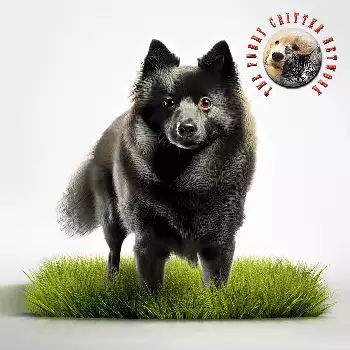

Play Style & Drive

Understanding the Schipperke's play style is essential for choosing toys that will actually hold their interest. These dogs were bred to hunt vermin on Belgian barges, and that heritage shows in their play preferences — quick, darting movements excite them, and they have a strong instinct to chase, pounce, and shake. A toy that sits motionless on the floor will be ignored within minutes, but one that bounces unpredictably or can be tossed and caught will hold a Schipperke's attention for extended sessions.

Schipperkes are also highly intelligent problem solvers, which means they need mental stimulation as much as physical activity. A dog that can figure out a new puzzle toy in under five minutes needs progressively harder challenges to stay engaged. Boredom is the Schipperke's biggest enemy when it comes to behavior — an under-stimulated Schipperke will invent its own entertainment, and that usually involves something you would rather it left alone.

The breed's independent streak adds another dimension to play. Unlike some breeds that live for fetch and will retrieve endlessly, many Schipperkes prefer games with more variety and autonomy. They may fetch a ball three or four times and then decide the game needs modification — carrying the ball to a different location, burying it, or inventing a new rule that makes sense only to them. Embrace this creativity rather than fighting it, and select toys that support self-directed play alongside interactive sessions.

Despite their small size, Schipperkes play with surprising intensity. They are not delicate or tentative with their toys, and cheap plush toys designed for toy breeds often last only minutes before being disemboweled. Factor this vigor into your purchasing decisions — durability matters more than aesthetics for this breed.

Interactive & Puzzle Toys

Puzzle toys are arguably the single most important toy category for Schipperkes. These dogs thrive on mental challenges, and a well-chosen puzzle toy can provide 20 to 30 minutes of focused engagement — an eternity in small-dog attention spans. Start with beginner-level treat-dispensing puzzles that require the dog to slide, flip, or lift components to access hidden food, then graduate to more complex multi-step puzzles as your Schipperke masters each level.

Treat-dispensing balls and wobble toys are excellent everyday options. Fill them with a portion of your Schipperke's regular kibble rather than extra treats, turning mealtime into an enrichment activity. This approach feeds the dog's body and brain simultaneously and can significantly reduce boredom-related behaviors. Rubber toys with hollow centers that can be stuffed with food, frozen for added challenge, or smeared with a thin layer of peanut butter provide long-lasting engagement.

Snuffle mats and scent-based enrichment toys tap into the Schipperke's keen nose and natural foraging instincts. Scatter a handful of treats or kibble across a snuffle mat and let the dog use its nose to find every piece. This type of activity is mentally tiring in a way that physical exercise alone is not, and a good snuffle session can calm an overstimulated Schipperke before quiet time.

Rotate puzzle toys on a weekly basis rather than leaving all of them out at once. A puzzle that has been put away for two weeks feels novel again when reintroduced, extending the useful life of your puzzle collection. Keep three or four puzzles in active rotation and store the rest, cycling through your full inventory over the course of a month.

Chew Toys & Durability

Schipperkes are enthusiastic chewers, and providing appropriate chew outlets prevents them from targeting furniture, shoes, and household items. The key is matching the chew toy's toughness to the Schipperke's jaw strength — while they are small dogs, they chew with determination and can destroy toys rated for gentle chewers almost immediately. Look for chew toys labeled for moderate to aggressive chewers, even in the small-dog size range.

Natural rubber toys in the medium-firmness range tend to work best for Schipperkes. They are resilient enough to withstand sustained chewing but have enough give to be satisfying and safe for the dog's teeth. Avoid extremely hard materials like antlers, dense nylon bones, or weight-bearing cattle bones, which can crack teeth — a costly and painful problem. The chew toy should have some flex when you press it firmly with your thumbnail.

Rope toys serve a dual purpose for Schipperkes, offering both a chewing outlet and an interactive tug-of-war option. Choose ropes made from natural cotton fibers and sized appropriately for a small dog's mouth. Inspect rope toys regularly and discard them once they begin to fray significantly, as swallowed fibers can cause intestinal blockages. Knotted ends should be tight and secure, and any loose threads should be trimmed before giving the rope to the dog.

Supervise your Schipperke with any new chew toy until you understand how the dog interacts with it. Some Schipperkes chew methodically and make toys last, while others are destructive shredders who can reduce a toy to small pieces quickly. If your dog tends to tear toys apart and swallow fragments, prioritize solid rubber options over anything with stuffing, squeakers, or detachable components that could become choking hazards.

Fetch & Outdoor Toys

Outdoor play is where the Schipperke's athleticism really shines, and having the right fetch and outdoor toys makes the most of exercise time. Small tennis-style balls designed for small breeds are a staple — standard tennis balls can be too large for a Schipperke to carry comfortably, and the dog may lose interest if it cannot get a satisfying grip. Look for balls in the 1.5 to 2-inch diameter range that fit the Schipperke's mouth without being small enough to pose a swallowing risk.

Flirt poles are an outstanding toy choice for Schipperkes and deserve special mention. Essentially a long pole with a rope and lure attached to the end, a flirt pole mimics the erratic movement of prey and activates the Schipperke's chase drive intensely. A five-minute flirt pole session can tire out a Schipperke as effectively as a 30-minute walk, making it invaluable for days when extended outdoor time is not possible. Use the flirt pole to practice impulse control by asking the dog to sit and wait before releasing it to chase.

Flying discs designed for small dogs add variety to fetch sessions and challenge the Schipperke's coordination and timing. Soft rubber or fabric discs are safer than rigid plastic options, which can injure the dog's mouth or teeth on a hard catch. Start with low, short throws and build up distance as your Schipperke learns to track and catch the disc in the air.

Water toys may or may not interest your Schipperke — the breed's relationship with water varies by individual. Some Schipperkes enjoy wading and retrieving floating toys, while others want nothing to do with water beyond their drinking bowl. If your dog shows interest, floating fetch toys in bright colors are easy to spot and provide a novel twist on standard retrieval games. Always supervise water play closely, as the Schipperke's compact, dense body is not built for sustained swimming.

Comfort & Companion Toys

While Schipperkes are bold and independent by nature, many develop attachments to specific comfort toys that serve as security objects. This is especially common in puppies and dogs adjusting to new environments. A soft plush toy that the dog can carry, nest with, and groom can provide genuine comfort during stressful situations like thunderstorms, travel, or changes in the household routine.

When selecting comfort toys for a Schipperke, durability still matters. Choose plush toys with reinforced stitching, double-layered fabric, and minimal small parts. Embroidered eyes are safer than plastic button eyes, which can be chewed off and swallowed. If your Schipperke tends to disembowel stuffed toys, look for plush options that are intentionally stuffing-free — flat plush toys with crinkle material or a single squeaker inside tend to survive longer.

Squeaker toys occupy an interesting middle ground between comfort and play for Schipperkes. The squeaking sound triggers the prey response, and many Schipperkes will work tirelessly to locate and extract the squeaker from inside a toy. If your dog is a squeaker surgeon who removes them quickly, consider toys with multiple squeakers distributed throughout the body, which extend the challenge and the toy's lifespan.

For Schipperkes that experience separation anxiety, leaving a comfort toy with a familiar scent in the crate or bed during your absence can help ease distress. Some owners rub the toy between their hands before leaving to transfer their scent, giving the dog a reassuring connection to its person. Pair the comfort toy with a puzzle feeder for a combination of emotional comfort and mental engagement that can make alone time more manageable.

DIY & Budget Options

Not every enrichment activity requires a trip to the pet store. Some of the most engaging toys for Schipperkes can be assembled from household items at virtually no cost. A muffin tin with tennis balls placed over treats in each cup creates an instant puzzle that challenges the dog to remove the balls to access the food. An empty plastic water bottle placed inside a sock provides a satisfying crinkle and crunch that many Schipperkes find irresistible — just remove the cap and ring first, and supervise to ensure the dog does not chew through to the plastic.

Cardboard boxes offer surprisingly rich enrichment opportunities. Place treats or kibble inside a small cardboard box, close the flaps, and let your Schipperke figure out how to access the contents. You can increase difficulty by nesting smaller boxes inside larger ones or wrapping treats in paper towels before placing them in the box. The Schipperke's problem-solving instincts engage fully with this kind of multi-step challenge, and the mess is easy to clean up.

Frozen enrichment is another budget-friendly option that provides extended engagement. Freeze a mixture of low-sodium broth, small treats, and kibble in a silicone mold or small container. The resulting frozen block keeps the dog occupied as it licks and chews to extract the embedded food. This is particularly useful during hot weather, as it provides cooling relief alongside mental stimulation. You can also freeze a rubber toy stuffed with wet food or mashed banana for a longer-lasting challenge than room-temperature fillings.

Hide-and-seek games cost nothing and leverage the Schipperke's natural search drive. Have someone hold the dog while you hide in another room, then call the dog to find you. Once your Schipperke masters finding people, extend the game to hidden toys or treat caches placed around the house. This type of scent-based searching is deeply satisfying for the breed and builds confidence while strengthening the bond between dog and owner.

Always consult a qualified professional before making any health-related decisions. This content is provided for informational reference only and should not replace professional guidance specific to your animal.