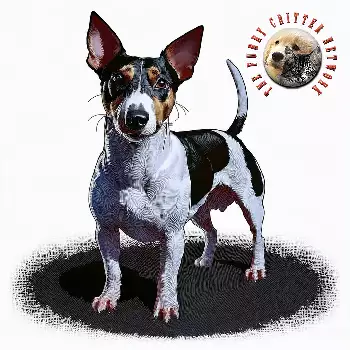

Play Style & Drive

Rat Terriers were bred to be versatile farm dogs capable of hunting vermin with speed, precision, and tenacity. That working heritage translates directly into their play style — they are fast, reactive, and intensely focused when engaged with a toy. Understanding this prey-driven play style is essential for choosing toys that will actually hold their attention rather than being ignored after the first five minutes.

This breed exhibits a strong chase-and-shake sequence during play. When a Rat Terrier catches a squeaky toy, you will often see them grab it, shake it vigorously side to side, and then pounce on it again — mimicking the instinctive kill sequence used on rodents. Toys that facilitate this natural behavior pattern are the ones your Rat Terrier will return to repeatedly. Toys that are too heavy to shake, too large to grip, or too passive to trigger the chase response tend to be abandoned quickly.

Rat Terriers are also remarkably intelligent, which means they need mental stimulation as much as physical exercise. A dog that is physically tired but mentally understimulated will still find ways to create its own entertainment, often in the form of destructive behavior. The ideal toy rotation for this breed includes a mix of physical play toys and cognitive challenge toys that engage different parts of their brain.

Social play is another important dimension. Rat Terriers form strong bonds with their owners and often prefer interactive play over solo activities. Tug toys, fetch toys, and games that involve human participation tend to be more engaging for this breed than toys designed for independent use. That said, having reliable solo toys available for times when you cannot actively play is important for preventing boredom and anxiety during alone time.

Interactive & Puzzle Toys

Puzzle toys are arguably the most important category for Rat Terriers because they tap directly into the breed's problem-solving intelligence. These toys require the dog to manipulate compartments, slides, or levers to access hidden treats, providing mental exercise that can be as tiring as a long walk. Start with entry-level puzzles that have simple mechanisms and work up to more complex multi-step designs as your dog masters each level.

Treat-dispensing toys that release kibble or small treats as the dog rolls, nudges, or chews them are excellent for occupying a Rat Terrier during downtime. These toys turn mealtime into an enrichment activity and can significantly reduce anxiety in dogs that struggle with being left alone. Fill them with a portion of your dog's daily food allotment rather than extra treats to avoid overfeeding while still providing the reward-based stimulation.

Snuffle mats and nosework toys capitalize on the Rat Terrier's keen sense of smell. These products hide treats within fabric folds or compartments that the dog must sniff out and dig through to find. The digging component is particularly satisfying for a breed with such strong burrowing instincts, and nosework has been shown to be one of the most mentally tiring activities for dogs. A ten-minute session with a well-loaded snuffle mat can leave a Rat Terrier as satisfied as thirty minutes of fetch.

Rotate puzzle toys regularly to maintain novelty. Rat Terriers are fast learners who will solve a familiar puzzle in seconds once they have figured out the mechanism. Keeping three or four different puzzle toys and cycling them weekly ensures your dog encounters enough variety to stay engaged. Store unused puzzles out of sight so they feel fresh when reintroduced.

Chew Toys & Durability

Rat Terriers are moderate chewers — they lack the jaw strength of larger bully breeds but are persistent and enthusiastic enough to destroy flimsy toys quickly. Medium-durability chew toys made from natural rubber, nylon, or braided rope are the sweet spot for this breed. Products designed for aggressive chewers are often too hard for a Rat Terrier's smaller jaws and can cause tooth fractures, while toys made for toy breeds may be shredded in minutes.

Safety should guide every chew toy purchase. Avoid toys with small parts that can be chewed off and swallowed, including plastic eyes, button noses, and detachable squeakers. When a toy starts to break apart — showing cracks, missing chunks, or exposed stuffing — replace it immediately. Rat Terriers are notorious for ingesting pieces of destroyed toys, and foreign body obstruction is a serious veterinary emergency that is entirely preventable with proper toy management.

Rubber chew toys that can be stuffed with treats or frozen with peanut butter provide extended chewing sessions that satisfy the oral fixation many terriers exhibit. Freezing the filling adds a layer of difficulty and extends the duration of the activity. These toys are particularly useful for puppies going through teething, as the cold surface helps soothe inflamed gums while redirecting chewing away from furniture and shoes.

Natural chews like bully sticks, tendons, and dried fish skins can supplement manufactured chew toys. These products are generally digestible and provide a satisfying chewing experience, but they should always be offered under supervision. Choose appropriately sized natural chews — pieces that are too small pose a choking hazard, while very hard items like antlers or weight-bearing bones can crack teeth. Discard any natural chew once it has been gnawed down to a size small enough to be swallowed whole.

Fetch & Outdoor Toys

Fetch is a natural fit for Rat Terriers, combining the chase drive that defines the breed with physical exercise and bonding with their owner. Standard tennis balls work well for most Rat Terriers, though some dogs on the smaller end of the breed may prefer smaller balls designed for toy breeds. Avoid balls small enough to be swallowed or lodged in the throat — as a general rule, the ball should be too large to fit entirely past the back teeth.

Ball launchers extend the range of your throws and reduce the repetitive strain of an extended fetch session. Handheld stick-style launchers are practical for most Rat Terrier owners and allow for longer throws than an unaided arm. Automatic ball launchers can provide independent fetch entertainment, though most Rat Terriers prefer the interactive element of a human throwing the ball and may lose interest in a machine relatively quickly.

Flirt poles are an outstanding outdoor toy for this breed. A flirt pole is essentially an oversized cat wand — a pole with a rope and a lure attached to the end. Dragging the lure along the ground triggers the Rat Terrier's prey chase instinct and provides intense bursts of sprinting, jumping, and direction changes in a small area. A five-minute flirt pole session can exhaust a Rat Terrier more effectively than a thirty-minute walk, making it an excellent option for owners with limited time or space.

Frisbees and flying discs designed for dogs offer another avenue for outdoor play, though not all Rat Terriers take to disc catching immediately. Soft rubber or fabric discs are safer for this breed than hard plastic versions, which can injure teeth and gums on a missed catch. Start with low, short throws and reward any interest in chasing the disc before expecting mid-air catches. The agility and athleticism of the breed mean that once a Rat Terrier learns the game, they often become remarkably skilled disc dogs.

Comfort & Companion Toys

Despite their tough, energetic exterior, many Rat Terriers form strong attachments to specific comfort toys. Plush toys that a dog carries around, sleeps with, or grooms are providing genuine emotional comfort. If your Rat Terrier adopts a particular stuffed toy, consider purchasing duplicates — having a backup on hand means you can wash the original without causing distress, and you have a replacement ready if the toy is eventually destroyed.

For Rat Terriers that suffer from separation anxiety, comfort toys can be part of a broader management strategy. A toy that has been cuddled by the owner carries their scent, which can provide reassurance during alone time. Heartbeat toys — plush animals with battery-powered heartbeat simulators — are particularly useful for puppies adjusting to life away from their litter and for adult dogs that experience anxiety when left alone.

Not all comfort toys need to be plush. Some Rat Terriers become attached to rubber toys, rope knots, or even old socks that have been knotted and offered as playthings. The key is allowing your dog to choose their own comfort object rather than forcing a specific toy on them. Observe which items your dog gravitates toward during calm moments and make those items consistently available.

Durability still matters for comfort toys, even though they are not primarily intended for aggressive chewing. Choose plush toys with reinforced seams and minimal small parts. Some manufacturers produce plush toys specifically designed to withstand moderate chewing while remaining soft and cuddly. Removing squeakers from plush toys can extend their lifespan significantly, as the squeaker is often the first component targeted for destruction.

DIY & Budget Options

Not every effective toy needs to come from a pet store. Rat Terriers are creative and curious dogs that can find entertainment in simple household items when they are presented safely. A muffin tin with tennis balls placed over treats in each cup creates an instant puzzle toy. An empty cardboard box filled with crumpled newspaper and hidden kibble becomes a foraging activity that satisfies the breed's digging and sniffing instincts.

Old t-shirts or towels can be braided into tug toys that are surprisingly durable and cost nothing. Cut the fabric into strips, braid them tightly, and knot the ends. These DIY tug toys are machine washable and can be replaced easily when they wear out. For a frozen enrichment option, fill a silicone mold or small container with a mixture of plain yogurt, mashed banana, and kibble, then freeze it overnight for a long-lasting treat activity.

The bottle-in-a-sock toy is a classic DIY option that works exceptionally well for Rat Terriers. Place an empty plastic water bottle inside an old sock and tie the end. The crinkling sound of the bottle mimics the appeal of squeaker toys, and the sock prevents the dog from accessing the plastic directly. Replace the bottle when it becomes crushed or cracked, and always supervise play to ensure the sock does not unravel.

Rotation is the most cost-effective enrichment strategy available. Rather than buying new toys constantly, divide your dog's existing toy collection into three or four groups and rotate them every few days. Toys that have been out of sight for a week feel novel when reintroduced, giving you the benefit of new-toy excitement without the ongoing expense. Combine rotation with a few high-quality staple toys — a durable chew, a reliable fetch toy, and a beloved comfort item — that remain available at all times.

Always consult a qualified professional before making any health-related decisions. This content is provided for informational reference only and should not replace professional guidance specific to your animal.