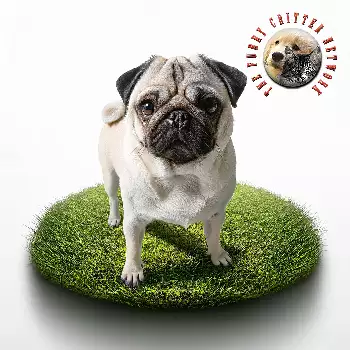

Pugs are playful and clownish dogs, but their play style differs significantly from high-energy sporting or working breeds. They tend toward short, enthusiastic bursts of activity followed by rest periods, rather than sustained high-intensity exercise. Understanding this rhythm is key to selecting toys that match what your Pug actually enjoys rather than what looks impressive on a shelf.
Most Pugs are motivated primarily by food and social interaction rather than prey drive or retrieving instinct. This means that treat-dispensing toys and interactive games played with their owner tend to hold a Pug's attention far longer than a ball thrown across the yard. Some Pugs will fetch a few times before losing interest, while others never develop the habit at all — and that is perfectly normal for the breed.
Pugs are also oral dogs who enjoy carrying, mouthing, and shaking toys, though they are not typically aggressive power chewers. They tend to gnaw and nibble rather than crush and destroy, which means they can enjoy a wider range of toy materials than breeds with stronger jaw pressure. That said, supervision is still important because Pugs can be persistent enough to work small pieces off a toy over time, creating a choking hazard.
The brachycephalic factor matters for play as well. Pugs cannot sustain vigorous activity for long periods without becoming winded, and they overheat quickly. Toys and games that encourage moderate movement with built-in pauses — think puzzle solving, gentle tug, or short indoor chase sessions — are better suited to the breed than toys designed for marathon fetch sessions or sustained running.