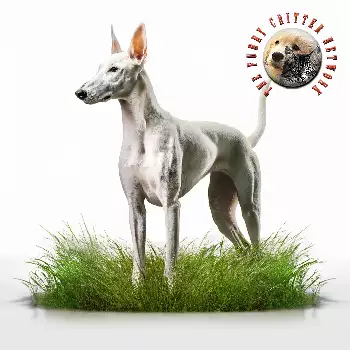

Play Style & Drive

The Ibizan Hound is a sighthound at heart, bred for centuries to hunt rabbits by sight and speed across the rocky terrain of the Balearic Islands. This heritage gives the breed a distinctive play style that leans heavily toward chase-oriented activities. Ibizans are triggered by movement — a ball rolling across the floor, a fluttering toy on a string, or a squirrel darting across the yard will instantly engage their prey drive. Understanding this instinct is key to selecting toys that will actually hold their interest rather than gathering dust in a corner.

Beyond the chase instinct, Ibizan Hounds are surprisingly clever and curious dogs. They are not single-minded in the way some working breeds can be; instead, they approach play with a certain problem-solving intelligence that makes them receptive to puzzle-based enrichment. Many owners describe their Ibizans as having an almost mischievous quality during play, testing boundaries and inventing their own games when left to their own devices.

Social play is another important dimension. Ibizan Hounds tend to be playful with other dogs and enjoy interactive games with their human families. Their play style with other dogs is typically bouncy and athletic — lots of sprinting, play-bowing, and dramatic leaping. With people, they respond well to games that involve shared participation rather than solo activities, making interactive toys particularly rewarding for this breed.

Energy levels in the Ibizan Hound tend to follow a pattern of intense bursts followed by extended rest. These are not dogs that need constant stimulation throughout the day, but when they are in an active phase, they engage with impressive enthusiasm. Toy selection should account for both modes — high-energy toys for active play sessions and calmer enrichment options for periods when the dog needs mental stimulation without physical exertion.

Interactive & Puzzle Toys

Puzzle toys are among the most valuable enrichment tools for Ibizan Hounds because they engage the breed's natural intelligence and problem-solving ability. Treat-dispensing puzzles that require the dog to slide panels, lift flaps, or rotate compartments to access hidden food keep an Ibizan mentally occupied in ways that simple toys cannot. Start with beginner-level puzzles and progress to more complex designs as the dog masters each level, since an understimulated Ibizan may redirect its intelligence toward less desirable activities like counter-surfing or escape planning.

Snuffle mats are a low-tech but highly effective enrichment option. These fabric mats with deep, shaggy strips mimic the experience of foraging through grass, and dogs use their noses to root out kibble or treats scattered within the fibers. For a breed that hunts by sight rather than scent, snuffle mats provide cross-training for the nose and offer a calming activity that can help settle a dog after a vigorous play session.

Food-stuffable toys that can be frozen are excellent for extended independent play. Filling a durable rubber toy with a mixture of wet food, kibble, and a smear of dog-safe peanut butter, then freezing it overnight, creates a challenging and long-lasting treat puzzle. These are particularly useful for crate time, periods when the owner is busy, or as a cool enrichment option during hot weather. The licking and chewing action also provides stress relief.

Interactive toys that involve the owner — such as tug ropes with hidden treat pockets or toys that require cooperative manipulation — strengthen the bond between dog and handler. Ibizan Hounds are social dogs that value engagement with their people, and interactive play sessions build trust, reinforce training, and provide an outlet for the breed's natural energy. Rotating puzzle toys every few days prevents boredom and maintains the novelty factor that keeps an intelligent dog interested.

Chew Toys & Durability

Ibizan Hounds are moderate chewers compared to power-chewing breeds like pit bulls or Labrador Retrievers, but they still need durable toys that can withstand regular use without breaking into dangerous pieces. Medium-durability rubber toys are generally a good match for this breed — tough enough to resist casual gnawing but not so hard that they risk cracking teeth. Avoid toys labeled for aggressive chewers if your Ibizan is a gentle chewer, as overly hard materials like solid nylon or antlers can cause dental fractures in dogs that do not have the jaw strength to safely process them.

Natural chew options provide both entertainment and dental benefits. Bully sticks, tendons, and dried fish skins are popular choices that satisfy the chewing urge while also helping to scrape plaque from teeth. These should always be size-appropriate — a chew that is too small presents a choking hazard, while one that is too large may be ignored. Always supervise your dog with any natural chew and discard pieces that become small enough to swallow whole.

Rubber toys with varied textures — ridges, nubs, and grooves — provide sensory stimulation during chewing sessions and can be enhanced by stuffing crevices with treats or spreading soft food across textured surfaces. The variety of tactile experiences keeps the dog engaged longer than a smooth, featureless toy would. Look for toys made from natural rubber or food-grade silicone, which are free from harmful chemicals and resistant to crumbling.

Toy safety should be assessed regularly. Inspect chew toys for signs of wear, including deep gouges, torn pieces, or loosened components. A toy that has been chewed to the point where fragments are breaking off should be replaced immediately. Ibizan Hounds are not typically destructive chewers, but even moderate chewing over time will degrade materials. Establishing a regular toy inspection routine — perhaps weekly — ensures that worn items are retired before they become hazards.

Fetch & Outdoor Toys

Fetch is a natural fit for the Ibizan Hound's chase-driven play style, and the right toys can transform a backyard session into a deeply satisfying physical workout. Standard tennis balls work well for casual fetch, though the fuzzy covering can wear down teeth over time with heavy use. Rubber fetch balls without the abrasive felt coating are a better choice for dogs that play fetch daily. Balls with erratic bounce patterns add an extra element of unpredictability that appeals to the Ibizan's reactive hunting instincts.

Ball launchers — both manual sling-style and automatic — extend throwing distance and allow owners to tire out their athletic Ibizan without exhausting their own arm. Automatic launchers can also provide some degree of independent play for dogs that learn to reload them, though most Ibizans prefer the interactive element of having their owner involved. In large, securely fenced areas, a launcher that sends a ball 50 to 100 feet gives the dog the kind of full-speed sprinting that satisfies the sighthound's need to run.

Flirt poles are perhaps the single most effective outdoor toy for sighthound breeds. A flirt pole consists of a long flexible rod with a rope and lure attachment at the end, creating a prey-like target that darts and flutters as the handler moves the pole. For an Ibizan Hound, this closely mimics the experience of chasing quarry and engages prey drive, agility, and coordination simultaneously. Short sessions of five to ten minutes provide intense physical exercise equivalent to much longer periods of walking or jogging.

Frisbees and flying discs appeal to many Ibizan Hounds, though the breed's lean build and jumping ability mean that owners should be cautious about encouraging high leaps onto hard surfaces. Soft, flexible discs made from fabric or pliable rubber are safer than rigid plastic models, as they are gentler on the dog's mouth upon catching and less likely to cause injury if the dog misjudges a landing. Disc play should always take place on soft ground — grass or sand — rather than concrete or asphalt to protect joints and paw pads.

Comfort & Companion Toys

Despite their athletic exterior, Ibizan Hounds have a notably soft and affectionate side that emerges during quiet moments. Many individuals develop attachments to specific plush toys, carrying them around the house, sleeping with them, or presenting them to family members as gifts. A well-made plush toy with reinforced seams and minimal small parts can become a treasured comfort object for an Ibizan, providing emotional security during alone time, travel, or stressful situations like thunderstorms.

When selecting plush toys, look for construction quality over novelty. Toys with double-stitched seams, embroidered features rather than glued-on eyes, and minimal stuffing are safer and more durable than cheap alternatives. Some plush toys are designed specifically for dogs that carry rather than destroy, using minimal fill and flat profiles that are easy to grip and tote. These "flat" stuffed toys often last significantly longer than heavily stuffed versions.

Heartbeat toys — plush animals with a battery-operated pulsing mechanism inside — can be comforting for puppies transitioning to their new homes and for adult dogs that experience separation anxiety. The rhythmic pulse mimics the presence of a companion and can help soothe a nervous Ibizan during crate time or when left alone. While not a substitute for proper separation anxiety training, these toys can be a useful supplementary tool.

Comfort toys should be rotated less frequently than play toys. If a dog has formed an attachment to a specific item, removing it for rotation can cause stress. Instead, keep the comfort toy consistently available and rotate the more stimulating play and puzzle toys. Having a dedicated "comfort" toy and a separate set of "play" toys helps the dog understand the difference and allows it to self-soothe with a familiar object when needed.

DIY & Budget Options

Not every enrichment activity requires a trip to the pet store. Many effective toys and games for Ibizan Hounds can be created from common household items at minimal cost. A muffin tin puzzle — where tennis balls are placed over treats in each cup of the tin — creates a simple but engaging problem-solving activity. The dog must figure out how to remove each ball to access the reward underneath, providing mental stimulation comparable to commercially available puzzle feeders.

Old towels and t-shirts can be braided into sturdy tug toys that most dogs find just as appealing as purchased rope toys. Cut the fabric into long strips, knot them together at one end, braid tightly, and knot the other end. These homemade tug toys are machine washable and free to replace when worn. For added interest, wrap a strip of fabric around a treat and tie it into a knot to create a simple unwrapping puzzle.

Cardboard boxes offer surprisingly rich enrichment potential. Place treats inside a small box, close the flaps, and let the dog figure out how to open it. For more advanced dogs, nest several boxes inside one another with treats at each level. The tearing and shredding involved in accessing the treats provides a satisfying physical outlet, though owners should supervise to ensure the dog does not ingest large pieces of cardboard. A box filled with crumpled newspaper with kibble scattered throughout creates an easy foraging activity.

Frozen enrichment is another budget-friendly option that is especially welcome during warm weather. Freezing low-sodium broth in a bowl with a few treats suspended inside creates an ice block that the dog can lick and gnaw at for extended periods. Similarly, freezing a wet washcloth into a twisted shape creates a soothing chew toy for teething puppies or a cooling distraction for adult dogs on hot days. These options cost virtually nothing and provide substantial entertainment value for a breed that appreciates both mental engagement and physical comfort.

Always consult a qualified professional before making any health-related decisions. This content is provided for informational reference only and should not replace professional guidance specific to your animal.