
Play Style & Drive

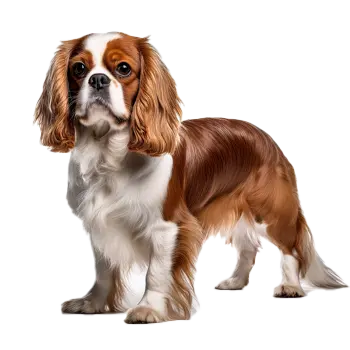
Cavalier King Charles Spaniels have a play style that blends the soft, companionable nature of a lap dog with flashes of spaniel sporting instinct. They are not typically aggressive chewers or relentless fetchers, but they do enjoy moderate bursts of activity interspersed with long periods of rest. Understanding this rhythm is key to choosing toys that will actually get used rather than ignored.

The breed's spaniel heritage gives many Cavaliers a mild prey drive and a natural interest in chasing moving objects. A toy that bounces unpredictably across the floor or mimics the movement of a small animal will often capture a Cavalier's attention more effectively than a stationary object. However, their play sessions tend to be shorter and less intense than those of higher-drive breeds, so toys that reward brief, enthusiastic engagement work best.

Cavaliers are also deeply social players. They prefer interactive play with their owners over solo entertainment, and toys that facilitate shared activity — tug ropes, fetch toys, or toys that require human involvement — will see the most use. A toy left in the middle of the floor may be ignored entirely if the dog's person is in the next room.

Mental stimulation is just as important as physical play for this intelligent breed. Cavaliers are quick learners with a desire to please, and they take well to puzzle toys and games that challenge them to solve a problem for a reward. Incorporating mental enrichment into daily playtime helps prevent boredom and the mild destructive behaviors that can arise from under-stimulation.

Interactive & Puzzle Toys

Interactive and puzzle toys are an excellent match for the Cavalier King Charles Spaniel's curious and food-motivated personality. These toys require the dog to manipulate compartments, slide panels, or flip lids to access hidden treats, providing mental exercise that tires the brain as effectively as a walk tires the body. For a breed that can be prone to weight gain, puzzle toys also slow down treat consumption and extend the enrichment value of each reward.

Beginner-level puzzle toys with simple sliding or lifting mechanisms are a good starting point for puppies and dogs new to enrichment games. As the dog becomes more proficient, owners can progress to intermediate and advanced puzzles with multiple steps or combination locks. Rotating between three or four different puzzles prevents the dog from memorizing the solution and losing interest.

Snuffle mats — fabric mats with deep folds and pockets where kibble or treats can be hidden — tap into the dog's natural foraging instincts and are a particularly calming form of enrichment. They are easy to use, machine washable, and provide a low-energy activity that is ideal for winding down before bedtime or during quiet afternoons.

Lick mats are another category of interactive enrichment that Cavaliers tend to enjoy. Spreadable treats like yogurt, pumpkin puree, or peanut butter can be smeared across the textured surface, encouraging slow, repetitive licking that has been shown to promote relaxation and reduce anxiety. Freezing the loaded mat before offering it extends the activity and adds an extra layer of challenge.

Chew Toys & Durability

Cavalier King Charles Spaniels are not power chewers, so toys do not need to be indestructible to survive. However, they should still be made from safe, non-toxic materials and constructed well enough to withstand moderate mouthing without falling apart into swallowable pieces. Toys designed for small to medium chewers in the gentle-to-moderate range are the sweet spot for this breed.

Rubber chew toys with some give and flexibility are a popular choice. Look for options made from natural rubber or food-grade silicone that can be filled with treats or smeared with paste to add an incentive for chewing. The combination of a satisfying texture and a food reward keeps the dog engaged longer than an empty toy would on its own.

Rope toys can serve a dual purpose as both chew toys and tug toys. Choose ropes sized appropriately for a small breed, with tightly woven fibers that resist fraying. Inspect rope toys regularly and discard them once they begin to unravel, as ingested fibers can cause gastrointestinal blockages. Braided cotton ropes are generally safer than synthetic alternatives.

Avoid chew toys that are too hard for the dog's teeth. A good rule of thumb is the thumbnail test — if you cannot make a slight indentation with your thumbnail, the toy is too hard and risks cracking a tooth. This rules out antlers, hard nylon bones, and certain compressed rawhide products for most Cavaliers. Softer alternatives like bully sticks, collagen chews, and dental sticks provide a satisfying chewing experience without the dental risk.

Fetch & Outdoor Toys

Many Cavalier King Charles Spaniels enjoy a good game of fetch, though their enthusiasm tends to be cheerful rather than obsessive. Standard tennis balls work well for backyard fetch sessions, but owners should opt for balls sized specifically for small breeds to prevent choking hazards. Balls that are too large for a Cavalier's mouth are frustrating, while standard tennis balls are generally an appropriate fit.

Lightweight rubber balls with an erratic bounce pattern add excitement to fetch games by making the trajectory unpredictable. Cavaliers often find this more stimulating than a straight throw-and-return pattern, as it engages their prey drive and encourages quick lateral movement. Floating fetch toys are a fun option for Cavaliers who enjoy water, as many members of this breed are comfortable swimmers despite their small size.

Flirt poles — a length of pole with a rope and toy attached to the end — are an outstanding outdoor enrichment tool for Cavaliers. The handler moves the toy along the ground in erratic patterns while the dog chases, pounces, and captures it. This mimics natural hunting behavior and provides vigorous exercise in a small space. Sessions should be kept short, around five to ten minutes, to avoid overexertion.

For structured outdoor play, agility equipment designed for small breeds — low jumps, tunnels, and weave poles — can be set up in a backyard and used for both exercise and training. Cavaliers are nimble and eager to please, making them surprisingly capable agility participants. Even informal obstacle courses made from household items can provide meaningful physical and mental stimulation.

Comfort & Companion Toys

Given the Cavalier King Charles Spaniel's deeply affectionate nature and tendency toward separation anxiety, comfort toys play a more significant role for this breed than for many others. Soft plush toys that the dog can carry, cuddle, and sleep with often become cherished companions, and it is not unusual for a Cavalier to develop a strong attachment to a specific toy.

When selecting plush toys, look for options with reinforced stitching and no small, detachable parts like plastic eyes or buttons that could be chewed off and swallowed. Flat, unstuffed plush toys are a safer alternative to heavily stuffed options, as they eliminate the risk of the dog ingesting stuffing material. Many Cavaliers enjoy shaking and carrying these toys around the house without attempting to destroy them.

Heartbeat toys — plush animals with a battery-operated pulsing mechanism inside — can be particularly soothing for puppies transitioning to a new home or for adult dogs that experience anxiety when left alone. The rhythmic pulse mimics the comfort of sleeping next to a littermate or companion and can help reduce whining and restlessness during crate time or overnight.

For Cavaliers that struggle with alone time, pairing a comfort toy with a worn piece of the owner's clothing can amplify the calming effect. The familiar scent provides reassurance that the owner will return, and the toy gives the dog something to focus on rather than the absence itself. This simple strategy can make a meaningful difference in managing mild separation anxiety without medication.

DIY & Budget Options

Not every effective toy needs to come from a pet store. Cavalier King Charles Spaniels are adaptable and easily entertained, and some of the most engaging enrichment options can be made from everyday household items at little to no cost. DIY toys also offer the advantage of novelty — since they can be assembled quickly and varied frequently, the dog is less likely to grow bored.

A muffin tin puzzle is one of the simplest and most effective homemade enrichment games. Place a treat or piece of kibble in each cup of a muffin tin, then cover each cup with a tennis ball. The dog must remove the balls to access the food, providing both mental and physical engagement. As the dog improves, only some cups can be loaded to add an element of uncertainty.

Old t-shirts or towels can be braided into tug ropes, rolled into snuffle wraps with kibble hidden in the folds, or tied into knots for a simple chew toy. Cardboard boxes with treats hidden inside make excellent scavenging puzzles — the dog rips and noses through the box to find the reward. These should always be supervised to prevent the dog from ingesting cardboard, but most Cavaliers are more interested in the food than the packaging.

Frozen enrichment is another budget-friendly option. A silicone ice cube tray filled with low-sodium broth and a few pieces of kibble creates frozen treat cubes that provide extended licking and chewing entertainment. For a more elaborate version, a hollow rubber toy can be stuffed with a mixture of mashed banana, yogurt, and kibble, then frozen for several hours before offering. These frozen options are especially valuable during warm weather, combining enrichment with a cooling effect.

Always consult a qualified professional before making any health-related decisions. This content is provided for informational reference only and should not replace professional guidance specific to your animal.