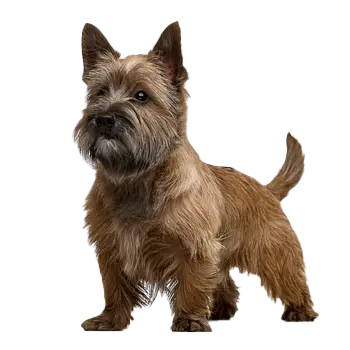

Space Requirements

Cairn Terriers are adaptable dogs that can thrive in apartments, condos, and houses alike, provided they receive adequate daily exercise and mental stimulation. Their small size means they don't physically need a large living space, but their terrier energy and curiosity demand an environment that accommodates movement and exploration. A Cairn Terrier that is confined to a small area without outlets for activity will channel that energy into destructive behaviors like digging, chewing, and excessive barking.

Within the home, Cairn Terriers benefit from having access to multiple rooms or at least a defined area where they can move freely during the day. They are not dogs that do well confined to a single room for extended periods. Baby gates can be useful for managing access to certain areas — particularly kitchens or rooms with hazards — without making the dog feel completely restricted. This breed tends to want to be wherever the family is, so their living space should naturally overlap with common areas.

Outdoor access is highly desirable for Cairn Terriers, though it comes with an important caveat: this breed digs. Bred to hunt vermin among the cairns of the Scottish Highlands, they have a deep instinct to burrow and excavate. Any yard or garden area they can access should be secured not just at fence height but at ground level. Buried wire mesh along fence lines or reinforced barriers at the base of fencing can prevent escape tunnels.

Regardless of living situation, every Cairn Terrier should have a designated quiet space — a crate, a bed in a calm corner, or a covered den-like area — where they can retreat when they need rest or feel overstimulated. This breed is bold and social, but even the most outgoing Cairn benefits from a space that feels secure and entirely their own.

Crates & Kennels

A properly sized crate is one of the most useful tools for Cairn Terrier ownership. It serves as a safe retreat, a housetraining aid, and a secure space for travel or veterinary recovery. For an adult Cairn Terrier, a crate measuring approximately 24 inches long by 18 inches wide by 21 inches tall provides enough room to stand, turn around, and lie down comfortably without excess space that could undermine housetraining efforts.

Wire crates offer excellent ventilation and visibility, which suits Cairn Terriers that like to observe their surroundings even while resting. Many wire models fold flat for storage or transport, and most come with a removable tray for easy cleaning. The open design can be modified with a crate cover or blanket draped over the top and sides to create a more den-like atmosphere, which many Cairn Terriers prefer — especially during sleep or in busy household environments.

Plastic airline-style crates provide a more enclosed, cave-like feel that appeals to the Cairn Terrier's denning instinct. They also meet airline requirements for in-cabin or cargo travel, making them a practical dual-purpose investment. However, they offer less airflow in warm conditions and are bulkier to store. Some owners keep a wire crate as the everyday home crate and a plastic crate for travel.

Avoid soft-sided fabric crates for Cairn Terriers, at least until the dog is fully crate-trained and past any destructive chewing phases. This breed's strong jaws and determination make quick work of mesh panels and zippered doors. If a Cairn decides it wants out of a soft crate, it will find a way. Invest in a sturdy crate from the start, and the crate-training process will go much more smoothly.

Beds & Sleeping Areas

Cairn Terriers appreciate a comfortable sleeping area that offers a sense of enclosure and warmth. Bolster beds — those with raised edges around the perimeter — are a popular choice because they let the dog nestle against a soft border while still having room to stretch out. Look for beds with removable, machine-washable covers, as Cairn Terriers can track dirt into their sleeping areas thanks to their love of outdoor exploration and digging.

Orthopedic foam beds are worth considering, particularly for adult and senior Cairn Terriers. While this breed is generally hardy, years of active play and movement can take a toll on joints. A supportive foam base helps distribute weight evenly and cushions pressure points during sleep. Memory foam and high-density polyester fill are both effective options, with memory foam generally offering superior support for dogs over seven years old.

Placement matters as much as the bed itself. Cairn Terriers like to sleep near their family but also value a degree of seclusion. A quiet corner of the living room or bedroom — away from drafts and direct foot traffic but within earshot of household activity — tends to work well. Many owners find that their Cairn Terrier gravitates toward a specific spot in the house on its own, and placing the bed there often yields better adoption than forcing a predetermined location.

Some Cairn Terriers enjoy burrowing under blankets, a behavior linked to their denning heritage. Providing a light blanket on or near the bed gives the dog the option to burrow without shredding the bed itself. Cave-style or hooded beds serve this same purpose and can be an excellent match for Cairn Terriers that consistently tunnel under covers. Watch for overheating in warmer months if your dog prefers enclosed sleeping arrangements.

Outdoor Enclosures

If your Cairn Terrier will spend time outdoors unsupervised — even briefly — a secure enclosure is essential. Standard fencing should be at least four feet high, which is generally sufficient for this breed since Cairn Terriers are more inclined to dig under barriers than jump over them. The critical design element is what happens at ground level: a concrete footer, buried hardware cloth extending 12 to 18 inches below the fence line, or an L-shaped mesh apron laid flat along the inside perimeter will deter digging escapes.

Portable exercise pens, often called ex-pens, are useful for creating temporary contained areas on patios, in garages, or during outdoor events. A 24- to 30-inch tall exercise pen with a secure latch works for most adult Cairn Terriers. Choose metal panels over plastic, as a determined Cairn can push through lightweight plastic barriers. Some owners connect two pens to create a larger enclosed area that gives the dog room to play while remaining safely contained.

Outdoor kennels with roofed enclosures provide weather protection and prevent the occasional Cairn Terrier that does decide to climb. If using an outdoor kennel run, ensure the flooring is comfortable and safe — rubberized mats, pea gravel over landscape fabric, or composite decking are all better options than bare concrete, which is hard on joints, or bare dirt, which invites digging. Shade and fresh water access are non-negotiable in any outdoor setup.

Remember that Cairn Terriers are companion dogs at heart and should not be left outdoors for extended periods. An outdoor enclosure is a tool for safe supervised outdoor time, potty breaks, or brief periods while you work in the yard — not a substitute for indoor family life. Prolonged isolation outdoors can lead to excessive barking, digging, and anxiety-driven behavior in this highly social breed.

Climate Considerations

The Cairn Terrier's double coat — a harsh, weather-resistant outer coat over a soft, dense undercoat — was developed for the damp, windy climate of the Scottish Highlands. This means the breed handles cool and moderately cold weather remarkably well for a small dog. Most Cairn Terriers are comfortable outdoors in temperatures down to about 30 degrees Fahrenheit for short periods, though prolonged exposure to freezing conditions still requires shelter and possibly a coat for very lean or elderly individuals.

Heat is a greater concern than cold for this breed. The dense double coat that insulates against cold also traps heat, making Cairn Terriers susceptible to overheating in hot, humid conditions. During summer months, outdoor time should be scheduled for early morning and evening when temperatures are lower. Access to shade, fresh water, and cool resting surfaces is essential. Cooling mats — gel-based or pressure-activated — placed in the dog's crate or favorite resting spot can help regulate body temperature indoors during heat waves.

Indoor climate control is generally straightforward. Cairn Terriers are comfortable at normal household temperatures between 65 and 75 degrees Fahrenheit. Avoid placing crates or beds near heating vents, radiators, or south-facing windows where direct sun can create localized hot spots. Similarly, keep sleeping areas away from drafty doors or poorly insulated walls during winter months.

For Cairn Terrier owners in regions with extreme seasonal variation, consider having both a cooling mat for summer and a self-warming or insulated bed for winter. The dog's sleeping setup should adapt to the season rather than remaining static year-round. Pay attention to your individual dog's behavior — panting, seeking cool floors, or curling tightly into a ball are all signals about thermal comfort that should guide your environmental choices.

Multi-Pet Households

Cairn Terriers generally coexist well with other dogs, especially when introductions are handled properly and each animal has its own defined space. In a multi-dog household, every dog should have its own crate, bed, and feeding station. Shared resources are a common trigger for conflict, and while Cairn Terriers are not typically aggressive, they are confident and assertive enough to stand their ground over valued possessions — food, toys, and sleeping spots in particular.

When introducing a Cairn Terrier to an existing pet household, neutral territory introductions work best. Allow dogs to meet on leash in a park or unfamiliar yard before bringing the new dog into the established pet's home territory. At home, use baby gates or separate rooms to allow visual and scent exposure without direct physical contact for the first few days. Cairn Terriers are usually eager to make friends, but rushing the introduction can create tension that lingers.

Cairn Terriers and cats can coexist, but the terrier's prey drive is a factor that must be managed. This breed was designed to chase small, fast-moving animals, and a running cat can trigger that instinct. Successful cat-dog households usually involve a Cairn Terrier that has been raised with cats from puppyhood or one that has been carefully desensitized to feline housemates. Vertical escape routes — cat trees, shelves, gated rooms — give the cat safe spaces that the terrier cannot access.

Small pets such as hamsters, guinea pigs, rabbits, and birds require extra caution. The Cairn Terrier's vermin-hunting heritage makes cohabitation with small animals risky regardless of training. These pets should be housed in secure enclosures in rooms the Cairn Terrier cannot access unsupervised. Even a well-behaved Cairn should never be left alone with small prey animals — instinct can override training in a split second, and the consequences are irreversible.

Always consult a qualified professional before making any health-related decisions. This content is provided for informational reference only and should not replace professional guidance specific to your animal.