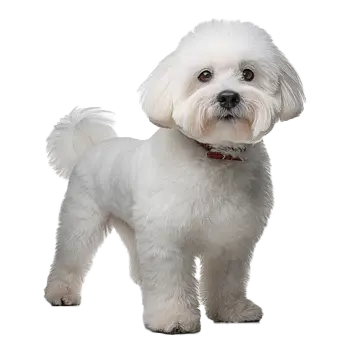

Play Style & Drive

The Bichon Frise is a breed that was developed for companionship, and their play style reflects this heritage. Bichons are animated, cheerful players that enjoy interactive games with their owners above all else. They are not driven by strong prey or herding instincts like working breeds, but they possess a lively curiosity and a natural clownishness that makes playtime consistently entertaining. Understanding your Bichon's individual play preferences will help you select toys that truly engage them rather than collecting dust in a corner.

Many Bichons display what breeders call the "Bichon Blitz" — sudden bursts of high-energy running and spinning that last for a few minutes before the dog settles back into a calm demeanor. These bursts of energy are perfectly normal and indicate a dog that needs regular outlets for play and physical activity. Toys that encourage movement, such as small balls, lightweight tug toys, and items that can be tossed and retrieved, channel this energy productively.

Bichons are also intelligent dogs that enjoy mental challenges. They respond well to puzzle toys and games that require problem-solving, and they have enough patience and persistence to work through moderate difficulty levels without becoming frustrated. This combination of social playfulness and cognitive engagement means the ideal toy collection for a Bichon includes a mix of interactive toys for shared play and independent enrichment options for solo entertainment.

Because of their small size, toy selection must account for safety and proportion. Toys designed for medium or large breeds may be too heavy, too large for a Bichon to grip comfortably, or may contain parts that pose a choking risk. Always choose toys labeled for small breeds, and regularly inspect them for wear, loose components, or pieces that could be swallowed.

Interactive & Puzzle Toys

Interactive toys that involve the owner are the cornerstone of a Bichon Frise's toy collection. This breed craves human interaction, and toys that facilitate shared play strengthen the bond between dog and owner while providing valuable mental and physical stimulation. Tug toys made from soft rope or fleece are excellent choices, as they allow gentle tug-of-war sessions without the risk of dental damage that harder materials might cause.

Puzzle toys that dispense treats when manipulated correctly are ideal for keeping a Bichon occupied during periods when you are busy or away from home. Start with simpler designs — such as a rubber toy with a hollow center that can be stuffed with treats or peanut butter — and gradually introduce more complex puzzles as your dog masters the basics. Multi-step puzzles that require the dog to slide, flip, or lift components to reveal hidden treats engage the Bichon's problem-solving abilities and provide satisfying mental exercise.

Snuffle mats and treat-hiding games tap into a dog's natural foraging instincts and can occupy a Bichon for extended periods. These fabric mats with multiple folds and pockets allow you to hide small treats throughout the surface, encouraging your dog to use their nose and paws to find the rewards. This type of enrichment is particularly useful for slowing down fast eaters or providing calm, focused activity on days when outdoor exercise is limited by weather.

Rotating your Bichon's puzzle toys on a weekly basis helps maintain novelty and prevents boredom. Dogs can lose interest in a puzzle once they have mastered it, so keeping a selection of different styles and difficulty levels in rotation ensures that each reintroduction feels fresh and engaging. Store unused puzzles out of sight and swap them back in periodically to renew your dog's interest.

Chew Toys & Durability

While Bichon Frises are not aggressive chewers compared to many other breeds, they still benefit from appropriate chew toys that satisfy their natural urge to gnaw while supporting dental health. Small rubber chew toys with textured surfaces help clean teeth and massage gums during chewing, which is particularly beneficial for a breed prone to dental issues. Choose chew toys that are firm enough to withstand moderate chewing but soft enough not to damage small teeth.

Avoid chew toys that are excessively hard, such as antlers, dense nylon bones, or real animal bones. These materials can crack or chip a Bichon's relatively small teeth, leading to painful dental fractures that require veterinary intervention. A good rule of thumb is the thumbnail test: if you cannot make a slight indentation in the toy with your thumbnail, it is likely too hard for a Bichon Frise.

Sized-down chew toys specifically designed for small breeds are essential. A chew toy meant for a Labrador is not only difficult for a Bichon to manage physically but may contain pieces or components that are too large to be safe if they break off. Look for small-breed designations on packaging and verify that any detachable components — such as squeakers or treat compartments — are securely enclosed and cannot be easily extracted by a determined chewer.

Edible chews such as dental sticks, bully sticks, and compressed rawhide alternatives can supplement your Bichon's chew toy rotation. These consumable options satisfy the chewing urge while providing an additional sensory reward. Always supervise your dog with edible chews and discard any piece that has been gnawed down to a size small enough to swallow whole, as swallowed chunks can pose a choking or intestinal blockage risk.

Fetch & Outdoor Toys

Fetch is a game that many Bichon Frises enjoy, though their approach to retrieving tends to be more playful and erratic than the focused, driven retrieval seen in sporting breeds. Small, lightweight balls — particularly those made from soft rubber or foam — are the best choice for Bichon fetch sessions. Tennis balls designed for small dogs, roughly 1.5 to 2 inches in diameter, are easy for a Bichon to pick up and carry without straining their jaw.

Flying disc toys scaled down for small breeds can add variety to outdoor play. Look for discs made from soft, flexible rubber or fabric rather than hard plastic, which can injure a small dog's mouth or teeth during a catch. The goal with a Bichon is not distance throwing but rather short, engaging tosses that keep the dog moving and mentally engaged. Many Bichons enjoy chasing a rolling disc along the ground as much as catching one in the air.

Outdoor play sessions with a Bichon should account for the breed's sensitivity to heat and their relatively low endurance compared to larger, more athletic breeds. Keep sessions to fifteen or twenty minutes in warm weather, with access to water and shade. A portable water bowl and a shaded rest area should be part of your outdoor play kit. The white coat of a Bichon offers little protection from UV exposure, so extended time in direct sunlight should be limited.

Rope toys and tug-style outdoor toys provide another avenue for active play. Short tug-of-war sessions build a Bichon's confidence and provide a satisfying physical workout without the impact stress of repetitive fetching. Choose rope toys made from natural cotton fibers that will not splinter or fray into ingestible strings, and replace them as soon as they show signs of significant wear.

Comfort & Companion Toys

Bichon Frises often form strong attachments to soft, plush comfort toys that serve as companions during rest and downtime. Many Bichons will carry a favorite stuffed toy around the house, sleep with it, and become noticeably distressed if it goes missing. This behavior is entirely normal for a breed that was developed for companionship and that thrives on comfort and closeness.

When selecting plush toys for your Bichon, prioritize safety and durability over novelty. Choose toys with double-stitched seams, embroidered or molded facial features rather than button eyes, and minimal small parts that could be chewed off and swallowed. Plush toys marketed as "tough" or "durable" are worth the investment, as even gentle chewers will eventually wear through cheaply constructed toys, exposing stuffing and squeaker mechanisms.

Some Bichon owners find that toys with a gentle heartbeat simulator or warming element can help ease anxiety, particularly in puppies transitioning to a new home or dogs that experience separation distress. These comfort toys mimic the presence of a littermate or companion and can reduce whining, pacing, and other stress behaviors during the adjustment period or when the dog is left alone.

Having a small collection of comfort toys allows for rotation and washing without leaving your Bichon without a familiar companion. Keep at least two or three similar-style plush toys available so you can cycle them through the laundry regularly. A clean comfort toy is especially important for Bichons, whose white facial fur can pick up stains and odors from a dirty toy pressed against their face during sleep.

DIY & Budget Options

Not every effective toy needs to come from a pet store. Many Bichon Frise owners find that simple homemade toys and repurposed household items provide just as much entertainment as commercial products. A clean, knotted sock makes an excellent tug toy for a small dog. An empty plastic water bottle placed inside a sock creates a crinkly, lightweight toy that many Bichons find irresistible. Muffin tins with tennis balls placed over treats in each cup create an instant puzzle toy that encourages problem-solving.

Cardboard boxes, paper bags with the handles removed, and crumpled paper balls offer inexpensive enrichment that taps into a Bichon's natural curiosity. Many dogs enjoy shredding paper and cardboard, which is a safe and satisfying activity as long as you supervise to ensure your dog is not ingesting large amounts of the material. A small cardboard box with treats hidden inside provides both a puzzle and a physical activity as the dog works to access the rewards.

Frozen treats made from dog-safe ingredients offer budget-friendly enrichment that also helps with hydration and temperature regulation on warm days. Fill a small rubber toy or ice cube tray with a mixture of plain yogurt, mashed banana, and a few pieces of kibble, then freeze overnight. The resulting frozen treat provides extended engagement as your Bichon licks and works to extract the food, and the cold temperature can help cool down an overheated dog.

While DIY toys are a great supplement to a Bichon's toy collection, always prioritize safety. Remove any small components, sharp edges, staples, or materials that could splinter or be ingested. Supervise your dog with homemade toys just as you would with any commercial product, and discard them once they become worn or broken down to a point where they could pose a hazard. The best approach is a balanced mix of well-chosen commercial toys and creative homemade enrichment options.

Always consult a qualified professional before making any health-related decisions. This content is provided for informational reference only and should not replace professional guidance specific to your animal.