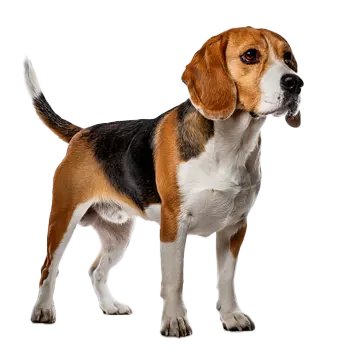

Play Style & Drive

Understanding how a Beagle plays is the key to choosing toys that actually get used rather than ignored in the corner. Beagles are scent hounds first and everything else second. Their play style is heavily influenced by their nose — they gravitate toward activities that involve sniffing, tracking, and investigating rather than the explosive fetch-and-retrieve behavior seen in sporting breeds. A Beagle at play often looks more like a detective working a case than an athlete running drills.

Food motivation is the other dominant force in Beagle play behavior. Toys that dispense treats or require problem-solving to access hidden food will hold a Beagle's attention far longer than a plain rubber ball. This food drive is a tremendous asset for enrichment because it means the dog is naturally inclined to work for rewards, making puzzle-based play genuinely engaging rather than something imposed by the owner.

Beagles also have a moderate to strong chewing drive, particularly during puppyhood and adolescence. Chewing serves both as stress relief and jaw exercise, and providing appropriate chew outlets prevents the dog from redirecting that drive toward furniture, shoes, and remote controls. The intensity of the chew drive varies between individuals, but most Beagles need access to something they are allowed to gnaw on.

Social play is another dimension worth noting. Beagles are pack animals that enjoy interactive games with their humans and other dogs. Tug-of-war, chase games, and group play sessions satisfy their social instincts and strengthen the bond between dog and owner. A good toy collection for a Beagle should include options for solo play, interactive human-dog play, and multi-dog play if applicable.

Interactive & Puzzle Toys

Puzzle toys are arguably the single most valuable toy category for Beagles. These toys require the dog to manipulate sliding panels, lift flaps, spin compartments, or otherwise solve a mechanical challenge to access a hidden treat. For a breed that combines intense food motivation with genuine problem-solving intelligence, puzzles provide the kind of mental workout that leaves a Beagle pleasantly tired rather than physically exhausted.

Start with beginner-level puzzles and progress to more complex designs as your Beagle masters each one. Entry-level options typically involve a single action — nosing a lid off a compartment or pawing a slider open — while advanced puzzles require sequential steps or combination movements. Rotating puzzles every few days keeps them fresh, as Beagles will memorize solutions quickly and lose interest once a puzzle becomes routine.

Snuffle mats are an excellent enrichment tool specifically suited to the Beagle's nose-driven nature. These fabric mats with deep fleece strips hide kibble or small treats within the fibers, requiring the dog to use its nose and paws to forage through the material. A snuffle mat can turn a five-second meal into a fifteen-minute enrichment session, slowing eating speed and providing mental stimulation simultaneously.

Treat-dispensing balls and wobble toys occupy a middle ground between puzzle toys and chew toys. The dog rolls, bats, or nosing the toy around the floor, and kibble or treats fall out through adjustable openings. These work particularly well for Beagles left alone for short periods because they provide self-directed entertainment without requiring human participation. Adjust the difficulty by changing the opening size — smaller openings mean more work per treat and longer engagement.

Chew Toys & Durability

Beagles are moderate to heavy chewers, and the toys you select need to withstand sustained gnawing without breaking into ingestible fragments. Solid rubber toys in medium-firm density are the workhorse of Beagle chew toy collections — they are durable enough to resist destruction, soft enough to be satisfying to chew, and available in shapes that can be stuffed with treats for added interest. Avoid toys marketed as "indestructible" that are actually rock-hard — these can crack teeth.

Nylon and hard rubber chew bones provide longer-lasting chewing sessions than softer alternatives. Look for products that gradually wear down rather than breaking into chunks, producing small shavings that pass harmlessly through the digestive system. Replace any chew toy that has been worn down to a size small enough to be swallowed whole, as Beagles are enthusiastic swallowers who do not always chew thoroughly before ingesting.

Rope toys serve a dual purpose as both tug toys and dental aids. The fibrous texture can help clean teeth and massage gums during chewing. However, rope toys require supervision because some dogs will shred and ingest the fibers, which can accumulate in the digestive tract and cause blockages. If your Beagle tends to pull ropes apart rather than chew them, restrict rope toy access to supervised play sessions only.

Stuffable rubber toys that can be filled with peanut butter, softened kibble, or yogurt and frozen offer extended chewing entertainment. The freezing step is key — it transforms a five-minute treat into a 30-minute project that keeps the dog focused and calm. These are particularly useful for crate time, separation anxiety management, and redirecting chewing behavior away from household items.

Fetch & Outdoor Toys

Beagles are not the natural retrievers that Labradors and Golden Retrievers are, but many enjoy a modified version of fetch that incorporates their tracking instincts. Rather than throwing a ball and expecting a crisp return, try rolling a ball through tall grass or tossing it into bushes where the Beagle must use its nose to locate the toy. This nose-based fetch is more engaging for the breed than a straightforward throw-and-return loop.

Tennis balls and rubber fetch balls work well for outdoor play, but choose sizes appropriate for the Beagle's mouth. Standard tennis balls are a good fit — small enough to carry comfortably but too large to be accidentally swallowed. Avoid miniature balls designed for cats or very small dogs, as these present a choking hazard. Ball launchers can extend throwing distance for owners who want to give their Beagle a longer running workout.

Flying discs and frisbees are hit-or-miss with Beagles. Some enjoy the chase and catch, while others lose interest quickly because disc play lacks the olfactory component that drives their engagement. If your Beagle does enjoy disc play, opt for soft rubber or fabric discs rather than hard plastic, which can injure teeth and gums on a bad catch.

Scent-based outdoor games are where Beagles truly excel. Hide-and-seek with a favorite toy or treat, drag-line scent trails laid with a scented cloth, and structured nosework activities tap into the breed's deepest instincts. These games require minimal equipment — often just treats and imagination — but provide an intensity of mental engagement that physical exercise alone cannot match.

Comfort & Companion Toys

Many Beagles develop strong attachments to specific comfort toys, carrying them around the house, sleeping with them, and grooming them gently. Plush stuffed animals in medium sizes work well as comfort objects for Beagles that do not shred soft toys. Look for plush toys with reinforced seams and minimal small parts — plastic eyes, noses, and squeaker modules can become choking hazards if the toy is disassembled.

Squeaker toys are enormously popular with Beagles, who seem to find the sound endlessly rewarding. The prey-drive satisfaction of biting down and producing a squeak can keep a Beagle entertained for extended periods. Multi-squeaker toys maintain interest longer because the dog continues to discover new sound sources even after disabling the first one. For the sake of household sanity, consider keeping the loudest squeaker toys in a rotation rather than making all of them available simultaneously.

For Beagles that destroy plush toys within minutes, flat no-stuffing toys offer the same soft texture and squeaker satisfaction without the mess of scattered polyfill. These durable plush toys survive longer because there is less material to grab and tear, and the cleanup when they do eventually succumb is minimal. They also eliminate the risk of the dog ingesting stuffing material.

Comfort toys can play a practical role in managing separation anxiety, which some Beagles experience when left alone. A familiar toy with the owner's scent provides reassurance, and pairing it with a stuffed frozen treat toy can create a positive association with departure. Rotating comfort toys periodically prevents the dog from losing interest while ensuring that each toy retains enough novelty to serve its calming purpose.

DIY & Budget Options

Some of the most effective Beagle enrichment costs nothing at all. A muffin tin with tennis balls placed over treats in each cup creates an instant puzzle toy that engages the dog's nose and problem-solving skills. An empty cardboard box with crumpled paper and hidden kibble becomes a foraging station that mimics the kind of scent-based searching Beagles were born to do. These homemade options are disposable, endlessly variable, and surprisingly effective.

Old towels and t-shirts can be knotted into tug toys or rolled around treats to create simple scent puzzles. The fabric absorbs familiar household scents, which adds an olfactory dimension to the play experience. As with any fabric toy, supervise use and discard when the material begins to shred into ingestible pieces. A braided fleece tug toy made from an old blanket can last weeks with a moderate chewer.

Plastic water bottles placed inside a sock make a crinkly, lightweight toy that many Beagles find irresistible. The combination of the crackling sound and the unpredictable rolling motion keeps the dog engaged. Remove the cap and ring before inserting the bottle, and replace it when the plastic starts to crack or fragment. This is a supervised-play-only option, as a determined chewer can reach the plastic quickly.

Rotation is the budget-conscious owner's best strategy for maintaining toy novelty. Rather than buying new toys constantly, divide your Beagle's existing collection into three or four groups and rotate them weekly. Toys that have been out of sight for a week or two feel new again, reigniting interest and extending the useful life of every item in the collection. Store out-of-rotation toys in a sealed container to preserve any lingering scent-based novelty.

Always consult a qualified professional before making any health-related decisions. This content is provided for informational reference only and should not replace professional guidance specific to your animal.