
Play Style & Drive

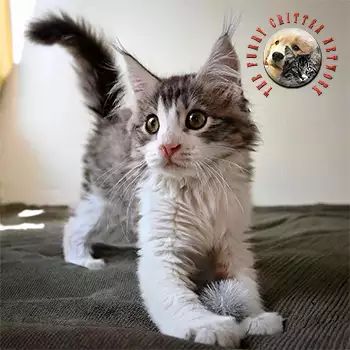
Cymrics are playful, intelligent cats with a hunting instinct that remains strong well into adulthood. Unlike some breeds that lose interest in play after kittenhood, the Cymric tends to stay engaged and responsive to interactive games throughout its life. Understanding this persistent play drive is the foundation for choosing toys that will actually get used rather than ignored after the first day.

Their play style leans toward pouncing and ambush rather than sustained chasing. A Cymric will often stalk a toy with focused intensity, wait for the right moment, and launch into a powerful strike. This makes toys that mimic erratic, unpredictable prey movement more effective than those that simply roll in a straight line.

Despite their stocky appearance, Cymrics are surprisingly quick and agile in short bursts. They excel at vertical leaps and rapid directional changes, which means toys that encourage jumping and mid-air catches are particularly satisfying for the breed. Their strong hindquarters — a hallmark of the Manx and Cymric body type — give them impressive spring.

Cymrics also display a notable intelligence during play. They learn toy patterns quickly and can lose interest in toys that behave the same way every time. Rotating toys regularly and varying how interactive toys are used during play sessions keeps the experience fresh and mentally stimulating.

Interactive & Puzzle Toys

Interactive toys that require the cat to think and problem-solve are excellent for the Cymric's sharp mind. Puzzle feeders that dispense treats when the cat manipulates slides, levers, or rotating compartments provide both mental stimulation and a controlled way to deliver snacks without overfeeding.

Wand toys remain one of the most effective interactive options for any cat, and the Cymric is no exception. The key is in how the wand is used — dragging the lure along the floor, twitching it behind furniture, and letting the cat stalk and catch it mimics the full predatory sequence of stalk, chase, pounce, and catch. Ending each session by letting the cat successfully capture the prey provides a satisfying conclusion.

Multi-level puzzle boxes with holes of varying sizes challenge the Cymric to fish out balls or treats using different paw angles and techniques. These toys are particularly valuable for solo play when the owner is away, as they hold the cat's attention longer than simple stationary toys. Start with easier puzzles and gradually introduce more complex designs as the cat masters each level.

Electronic interactive toys that move autonomously can supplement human-led play sessions. Look for options with unpredictable movement patterns and adjustable speed settings. However, these should complement, not replace, direct interactive play with the owner — the social bonding component of play is important to the relationship-oriented Cymric.

Chew Toys & Durability

While cats are not typically aggressive chewers in the way dogs can be, Cymrics do enjoy gnawing on textured toys, especially during play-induced excitement. Toys made from tightly woven fabric, thick rope, or durable rubber withstand the breed's moderate chewing without breaking apart into swallowable pieces.

Catnip-filled chew toys serve a dual purpose, providing both a satisfying chewing texture and the stimulating effects of catnip. Roughly 60 to 70 percent of cats respond to catnip, and those that do will kick, bite, and wrestle with a well-made catnip toy enthusiastically. Choose toys with reinforced seams to prevent the catnip filling from spilling out during rough play.

Silvervine sticks and dried matatabi fruit offer alternatives for cats that do not respond to catnip. These natural chewing options also promote dental health by helping to scrape plaque from the teeth during gnawing. They are fully digestible in small amounts, making them safer than synthetic chew toys that could fragment.

Inspect all chew toys regularly for signs of wear. Loose threads, exposed stuffing, and cracked plastic components are choking hazards. Replacing toys at the first sign of structural breakdown is an inexpensive precaution against a costly veterinary emergency. A good practice is to do a quick toy inspection weekly and remove anything that has been compromised.

Fetch & Active Toys

Many Cymric owners are pleasantly surprised to discover that their cat will play fetch. The breed's dog-like personality traits include a willingness to retrieve small thrown objects, especially lightweight balls, crinkle balls, and soft mice. Encouraging this behavior with consistent, short fetch sessions provides excellent exercise for a breed that can otherwise become sedentary.

Spring-loaded toys that bounce unpredictably across the floor tap into the Cymric's ambush instincts. The erratic movement triggers the pounce reflex, and the cat's powerful hind legs propel it into explosive, entertaining leaps. These toys work best on hard floors where the bounce is more pronounced.

Laser pointers are popular but should be used with care. While the Cymric will chase the dot with intensity, the inability to ever physically catch the prey can lead to frustration over time. If using a laser pointer, always end the session by directing the dot to a physical toy or treat that the cat can capture, providing the satisfying conclusion that the hunting instinct demands.

Track toys — enclosed circuits with a ball that the cat bats around a channel — provide moderate activity with minimal owner involvement. They are most effective when combined with other elements like an integrated scratching pad or multiple levels. Standalone track toys may lose their appeal relatively quickly for an intelligent breed like the Cymric, so look for designs that offer some variety in how the ball moves.

Comfort & Companion Toys

Cymrics form deep attachments, and some individuals develop a bond with a specific comfort toy that they carry, groom, or sleep with. Soft plush toys slightly smaller than the cat work well as companion objects. Avoid toys with hard plastic eyes, noses, or sewn-on accessories that could be chewed off and swallowed.

Kickable toys — elongated plush shapes roughly the size of the cat's torso — cater to the feline instinct of grabbing with the front paws and raking with the hind claws. This behavior is a natural expression of the prey-capture sequence and provides an acceptable outlet for a physical behavior that might otherwise be directed at hands or furniture. Filling these toys with catnip adds to their appeal.

For Cymrics that experience separation anxiety or stress during their owner's absence, comfort toys infused with calming scents like lavender or valerian can help ease tension. Some owners find that leaving a worn piece of clothing near the cat's favorite sleeping spot achieves a similar calming effect by providing a familiar scent.

Heated comfort toys designed for pets can be soothing for older Cymrics or those recovering from illness. These typically use a microwavable insert rather than electrical heating and provide gentle warmth that relaxes muscles and promotes sleep. Always follow the manufacturer's temperature and duration guidelines to prevent overheating.

DIY & Budget Options

Some of the most engaging cat toys cost nothing at all. A crumpled ball of paper, a cardboard box with holes cut into the sides, or a paper bag with the handles removed can provide minutes of focused entertainment for a Cymric. The novelty factor of household items often makes them more interesting than expensive store-bought alternatives.

Cardboard boxes deserve special mention. Cymrics seem to share the universal feline obsession with boxes, and a simple box placed on the floor will be explored, claimed, slept in, and ambushed from. Cutting multiple entry and exit holes transforms a single box into a fortress. Connecting several boxes with cut-through openings creates a tunnel system that can occupy a curious Cymric for extended periods.

DIY puzzle feeders are easy to construct from household items. A muffin tin with treats hidden under tennis balls, a plastic bottle with holes cut large enough for kibble to fall through, or a series of small cups taped inside a box lid all require the cat to work for its reward. These homemade puzzles are just as mentally stimulating as commercial versions and can be refreshed endlessly with new configurations.

Rotating toys is the single most effective budget strategy for keeping play interesting. Rather than leaving all toys out at once, store two-thirds of them in a sealed container and swap the available selection every few days. Toys that have been out of circulation for a week will be greeted with renewed interest when they reappear, effectively giving you a fresh toy collection without spending anything.

Always consult a qualified professional before making any health-related decisions. This content is provided for informational reference only and should not replace professional guidance specific to your animal.