
Nutritional Needs

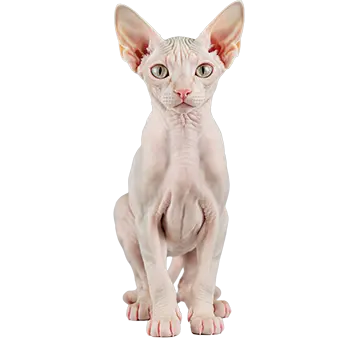
The Bambino is a hairless dwarf breed created by crossing the Sphynx with the Munchkin, and its lack of fur has a direct impact on its nutritional requirements. Without a coat to insulate the body, Bambinos burn more calories than furred cats simply to maintain a stable internal temperature. This elevated metabolic rate means they need a calorie-dense diet that delivers sustained energy throughout the day, particularly in cooler climates or air-conditioned homes.

Protein should form the foundation of every meal. As obligate carnivores, all cats require animal-based protein, but the Bambino's high energy expenditure makes this even more critical. Look for foods where a named animal protein such as chicken, turkey, salmon, or duck appears as the first ingredient. A minimum crude protein content of 40 percent on a dry-matter basis is a reasonable target for this breed.

Fat is the most calorie-dense macronutrient and plays an essential role in skin health, which is especially important for a hairless breed prone to oil buildup and occasional dryness. Omega-3 and omega-6 fatty acids support the skin barrier and help regulate sebaceous gland output. A fat content in the range of 18 to 22 percent on a dry-matter basis typically meets the Bambino's needs without promoting excessive weight gain.

Carbohydrates should be kept moderate. While some carbohydrate content is unavoidable in commercial cat food, excessive fillers like corn, wheat, or soy can contribute to digestive upset and provide little nutritional benefit to an obligate carnivore. Grain-free formulas can be appropriate, but they are not inherently superior; the key is that the carbohydrate sources used are digestible and present in reasonable amounts.

What to Look For

When evaluating food labels for your Bambino, start with the ingredient list. Named animal proteins should dominate the first several ingredients. Vague terms like "meat meal" or "animal by-products" without species identification are red flags that suggest lower-quality sourcing. The more specific the label, the more confidence you can have in what you are actually feeding.

Guaranteed analysis panels tell you the minimum protein and fat percentages along with maximum fiber and moisture. For a Bambino, aim for foods that land on the higher end of protein and fat ranges compared to standard adult cat formulas. Converting to dry-matter basis is important when comparing wet and dry foods, since moisture content can make wet food appear lower in protein than it actually is.

Avoid artificial preservatives such as BHA, BHT, and ethoxyquin. Natural preservatives like mixed tocopherols and rosemary extract perform the same function without the associated concerns. Similarly, artificial colors and flavors serve no nutritional purpose and can occasionally trigger sensitivities in cats with delicate skin.

Consider the caloric density printed on the packaging. Bambinos may eat smaller portions due to their compact body size, so the food they do eat needs to deliver adequate nutrition in every bite. A higher caloric density per cup or per can allows you to feed appropriate portions without overloading the digestive system.

Recommended Dry Food

Dry kibble offers convenience and dental benefits, but choosing the right formula matters more for a Bambino than for many other breeds. Because these cats need more calories relative to their small size, a nutrient-dense kibble designed for active or indoor cats often fits better than standard maintenance formulas. Look for options that list real meat as the primary ingredient and deliver at least 400 kilocalories per cup.

Kibble size is a practical consideration. The Bambino's short legs and compact jaw mean that oversized kibble pieces can be difficult to pick up and chew comfortably. Small-bite or kitten-sized kibble tends to work well for this breed, making mealtime less of a physical challenge and encouraging thorough chewing.

Some owners find that an exclusively dry diet leaves their Bambino's skin looking dull or flaky. If you feed primarily kibble, ensure the formula includes adequate omega fatty acid levels and consider supplementing with a fish oil topper. Hydration is another concern with dry-only diets, since cats naturally have a low thirst drive and hairless breeds can lose moisture through their exposed skin more readily than coated cats.

Rotating between two or three high-quality dry formulas can help prevent ingredient sensitivities from developing over time and keeps your Bambino interested in meals. Introduce any new food gradually over seven to ten days, mixing increasing amounts of the new formula with the old to avoid gastrointestinal upset.

Wet & Fresh Options

Wet food is an excellent dietary component for Bambinos because it addresses two needs simultaneously: caloric density and hydration. Canned pates, shredded varieties, and fresh-prepared meals all deliver moisture content of 75 percent or higher, helping to keep your cat well hydrated without relying solely on water intake from a bowl.

Pate-style wet foods are particularly well-suited for Bambinos. They are easy to eat, deliver consistent nutrition in every bite, and minimize mess on the face and chin, which is a practical advantage for a hairless cat that can develop acne or irritation from food residue sitting on bare skin. If your Bambino prefers shredded or chunky textures, simply wiping the face after meals can prevent buildup in skin folds.

Fresh and raw diet options have gained popularity among hairless cat owners who report improvements in skin condition and coat sheen. If you explore fresh diets, ensure they meet AAFCO nutritional adequacy standards for complete and balanced adult cat nutrition. Homemade raw diets require careful formulation with a veterinary nutritionist to avoid dangerous deficiencies in taurine, calcium, or essential vitamins.

Feeding a combination of wet and dry food, often called mixed feeding, gives you the best of both worlds. The kibble provides crunch and convenience, while the wet food supplies moisture and variety. A common approach is offering wet food at morning and evening meals with a measured amount of dry food available during the day.

Treats & Supplements

Treats are a valuable tool for bonding and training, but they should make up no more than 10 percent of your Bambino's daily caloric intake. Freeze-dried single-protein treats, such as chicken or salmon, are excellent choices because they contain minimal additives and align well with a high-protein diet. Avoid treats loaded with grains, sugars, or artificial flavors.

Skin-focused supplements are worth considering for any hairless breed. Fish oil capsules or liquid omega-3 supplements can be added directly to food and may help reduce excessive oil production, improve skin elasticity, and support overall coat health for cats with peach fuzz. Start with a small dose and increase gradually, as too much fat too quickly can cause soft stools.

Probiotics designed for cats can support digestive health, which is particularly useful if your Bambino has a sensitive stomach or if you rotate foods frequently. Look for products containing species-appropriate strains like Enterococcus faecium or Lactobacillus acidophilus. These can be found as standalone powders or are sometimes included in premium food formulas.

Taurine is an essential amino acid that cats cannot synthesize on their own, and while complete commercial diets include adequate amounts, cats on partial homemade diets or those with absorption issues may benefit from supplementation. Consult your veterinarian before adding any supplement to confirm it is appropriate for your individual cat's health status.

Foods to Avoid

Several common human foods are toxic to cats and must be kept away from your Bambino at all times. Onions, garlic, chives, and leeks belong to the allium family and can cause oxidative damage to red blood cells, leading to anemia. Even small amounts cooked into sauces or broths can be harmful, so never share table scraps without checking every ingredient.

Chocolate and caffeine contain theobromine and methylxanthines that cats metabolize very slowly. Ingestion can cause vomiting, rapid heart rate, tremors, and in severe cases, fatal cardiac events. Keep all chocolate, coffee, tea, and energy drinks well out of reach.

Grapes and raisins have been linked to acute kidney failure in some animals, and while the exact mechanism is not fully understood, the risk is serious enough to warrant complete avoidance. Raw eggs carry a risk of salmonella and also contain avidin, which can interfere with biotin absorption and worsen skin issues in a breed already prone to dermatological concerns.

Dairy products are poorly tolerated by most adult cats due to lactose intolerance. While a tiny amount of plain yogurt may be acceptable for some individuals, milk, cheese, and cream can cause diarrhea and digestive discomfort. Alcohol, xylitol, and raw yeast dough are also dangerous and should never be accessible to your cat.

Feeding Schedule

Bambinos do best on a structured feeding schedule that accounts for their fast metabolism. Two to three measured meals per day is the standard recommendation for adult cats, and this approach works well for the Bambino because it provides consistent energy without encouraging gorging. Kittens under one year may need three to four smaller meals spaced throughout the day to support their rapid growth.

Portion control is critical for this small breed. Even a few extra calories per day can add up quickly on a frame that typically tops out around nine pounds. Use a kitchen scale or measuring cup to ensure accuracy, and follow the feeding guidelines on your chosen food as a starting point, adjusting based on your cat's body condition score over time.

Free feeding, or leaving kibble out all day for grazing, is generally not recommended for Bambinos. While their higher metabolism offers some protection against obesity, unmonitored access to food makes it impossible to track intake accurately and can lead to gradual weight creep that is difficult to reverse. If you must leave food out during work hours, use a timed or portion-controlled feeder.

Fresh water should be available at all times, ideally in multiple locations around the home. Many Bambinos prefer running water and will drink more from a pet fountain than a still bowl. Adequate hydration supports kidney function, digestion, and skin health, all of which are important considerations for this unique breed.

Always consult a qualified professional before making any health-related decisions. This content is provided for informational reference only and should not replace professional guidance specific to your animal.