
Nutritional Needs

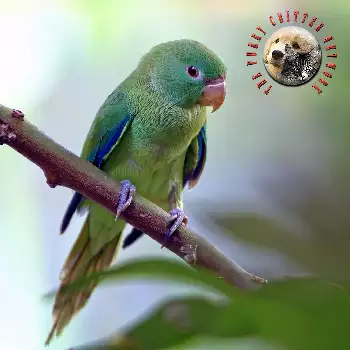
Spectacled Parrotlets are small-bodied parrots with a metabolic rate that demands careful nutritional planning. Weighing between twenty-eight and thirty-five grams on average, they burn calories quickly and can deteriorate rapidly if their dietary needs go unmet for even a short period. Their diet must provide a dense blend of proteins, complex carbohydrates, essential fatty acids, vitamins, and minerals in quantities calibrated to their diminutive frame. Owners who underestimate the nutritional complexity of these birds often fall into the trap of offering a seed-only diet, which is one of the most common contributors to shortened lifespans in captive parrotlets.

Protein requirements for Spectacled Parrotlets are proportionally higher than for many larger parrot species, reflecting their rapid metabolism and active lifestyle. In the wild, these birds supplement their seed and fruit intake with insects and insect larvae, particularly during breeding season, to meet elevated protein demands. Captive diets should account for this need through high-quality pellets, cooked legumes, and occasional egg food. Birds that are breeding, molting, or recovering from illness require additional protein support, and owners should adjust portions accordingly during these periods.

Fat is an essential macronutrient for Spectacled Parrotlets, supporting feather condition, hormone production, and thermoregulation. However, their small body mass means that the margin between adequate fat intake and excessive fat intake is narrow. A bird weighing thirty grams that consumes even a modest surplus of high-fat seeds daily will accumulate hepatic lipidosis far more quickly than a larger species with greater metabolic reserves. The goal is to provide healthy fats through controlled portions of seeds and nuts while ensuring that the bulk of daily calories come from lower-fat pellets and fresh foods.

Micronutrient balance is equally critical. Spectacled Parrotlets need adequate calcium for bone density and egg production, vitamin A for respiratory and epithelial health, and vitamin D3 for calcium metabolism. Unlike African Grey Parrots, parrotlets are not especially prone to hypocalcemia, but calcium deficiency can still develop in birds on unbalanced diets, manifesting as weakened bones, poor eggshell quality in hens, and general lethargy. A diet anchored by a well-formulated pellet and supplemented with calcium-rich vegetables largely prevents these issues without the need for standalone calcium supplements in most cases.

What to Look For

Selecting the right food products for a Spectacled Parrotlet starts with understanding what distinguishes a genuinely nutritious product from one that merely looks appealing on the shelf. The first criterion is ingredient quality. Pellets should list whole grains, vegetables, or legumes as the primary ingredients rather than corn gluten, soy isolates, or sugar. Artificial colors, which are prevalent in many commercial bird foods, add no nutritional value and may contribute to food selectivity if the bird learns to pick out preferred colors and reject the rest. Products made from natural, recognizable ingredients are consistently the better choice.

Pellet size is a practical consideration that directly affects intake. Spectacled Parrotlets have small beaks relative to other parrot species, and pellets designed for cockatiels or medium parrots can be uncomfortably large for them to manipulate. Look for pellets marketed for small parrots, parakeets, or parrotlets specifically, as these are typically milled to a diameter and hardness appropriate for the bird's beak strength. Some manufacturers produce crumble-style pellets that break apart easily, which can be helpful for birds transitioning from seeds or for young birds learning to eat solid food.

When evaluating seed mixes for supplemental use, quality varies enormously. A good supplemental seed mix for parrotlets should contain a variety of small seeds such as canary grass seed, millet, small amounts of hemp, flax, and chia, with minimal or no sunflower seed. Sunflower seeds are disproportionately high in fat and low in other nutrients, and parrotlets will preferentially eat them to the exclusion of healthier options if given the chance. Mixes that include dried herbs, dried vegetables, or bee pollen can offer additional micronutrient diversity, provided these additions are genuine ingredients rather than decorative afterthoughts.

Packaging and freshness matter more than many owners realize. Seeds and pellets degrade over time, losing nutritional potency and developing rancid fats that can harm the liver. Check for production or expiration dates and buy from retailers with high product turnover. Vacuum-sealed or nitrogen-flushed packaging preserves freshness longer than open bags. Once opened, pellets and seed mixes should be stored in airtight containers in a cool, dry location and used within a reasonable timeframe, typically within two to three months for optimal nutritional value.

Recommended Pellet Types

Formulated pellets should constitute roughly fifty to sixty percent of a Spectacled Parrotlet's total daily food intake by volume. The pellet market for small parrots has expanded considerably in recent years, and several formulation philosophies compete for shelf space. Cold-pressed pellets, which are manufactured without high heat, tend to preserve heat-sensitive vitamins and enzymes more effectively than extruded or baked pellets. However, reputable extruded pellets compensate for processing losses by fortifying the finished product, and many birds accept their texture more readily than cold-pressed alternatives.

Organic pellets have gained a following among parrotlet owners who want to minimize pesticide residue and synthetic additives in their birds' diets. These products typically use certified organic grains, vegetables, and fruits as their base ingredients, and they avoid artificial preservatives in favor of natural antioxidants like mixed tocopherols. The tradeoff is generally a higher price point and sometimes a shorter shelf life. For owners who can accommodate these factors, organic pellets are an excellent option, though a high-quality conventional pellet from a reputable manufacturer is nutritionally comparable in most cases.

Some pellet lines are formulated specifically for small New World parrots, a category that includes parrotlets, parrot species from Central and South America that share certain dietary characteristics. These formulations may adjust the protein-to-fat ratio, increase the proportion of tropical fruit ingredients, or include specific amino acids that support the plumage and metabolism of these species. While a well-made general small-parrot pellet is perfectly adequate, species-targeted options can offer marginal nutritional advantages for owners who want to fine-tune their bird's diet.

Transitioning a Spectacled Parrotlet from a seed-based diet to pellets requires patience and strategy. Abrupt dietary changes are rarely successful and can lead to dangerous weight loss in a bird this small. A gradual approach works best: mixing a small proportion of pellets into the familiar seed mix, then slowly increasing the pellet ratio over several weeks. Offering pellets in the morning when the bird is hungriest and removing uneaten seeds midday can accelerate acceptance. Monitoring daily weight with a gram scale during the transition is essential, as even a two-gram drop in a thirty-gram bird represents a significant percentage of body mass.

Fresh Foods and Cooking Mixes

The fresh food component of a Spectacled Parrotlet's diet provides nutritional complexity that pellets alone cannot deliver. Dark leafy greens such as kale, Swiss chard, dandelion greens, and mustard greens supply calcium, iron, and vitamin K. Orange and yellow vegetables like butternut squash, sweet potato, and carrots contribute beta-carotene, a precursor to vitamin A that supports immune function and epithelial tissue health. Offering these foods finely chopped or shredded accommodates the parrotlet's small beak and encourages consumption, as large chunks are often ignored by birds this size.

Variety is not just nutritionally important but behaviorally important as well. Spectacled Parrotlets are intelligent and curious birds that benefit from the sensory stimulation of encountering different textures, colors, and flavors in their food bowl. Rotating through a selection of vegetables, cooked grains, and legumes on a daily or weekly basis prevents the bird from fixating on a narrow range of preferred foods. Birds that eat a wide variety of fresh foods from a young age are far more adaptable eaters as adults, making early dietary diversity an investment in long-term health.

Cooking mixes designed for parrots offer a time-saving way to incorporate cooked grains and legumes into the diet. These products typically contain a blend of lentils, quinoa, mung beans, brown rice, and dried vegetables that can be boiled in batches and stored in the refrigerator or freezer. When selecting a cooking mix, look for products with short, recognizable ingredient lists and no added salt or seasoning. The cooked mix serves as an excellent base to which fresh chopped vegetables, a small amount of fruit, or a sprinkle of sprouted seeds can be added just before serving.

Sprouted seeds bridge the gap between the high-fat content of dry seeds and the nutrient density of fresh vegetables. During germination, stored fats are converted into proteins and vitamins, producing a food that is metabolically closer to a green vegetable than to a seed. Small seeds like mung beans, broccoli seeds, radish seeds, and a variety of millets sprout easily and are well-accepted by parrotlets. The sprouting process requires careful hygiene, as warm, moist conditions also favor bacterial growth. Rinsing sprouts thoroughly at least twice daily and discarding any batches that develop off odors or visible mold is essential to prevent crop infections.

Treats and Supplements

Treats occupy a meaningful role in the daily life of a Spectacled Parrotlet, serving as positive reinforcement for training, a tool for building trust during taming, and an enrichment opportunity that breaks the monotony of routine feeding. The key is selecting treats that contribute to overall nutrition rather than undermining it. Small slivers of almond, walnut, or pine nut are enthusiastically received by most parrotlets and provide healthy fats and trace minerals. Because of the bird's small body size, a single almond sliver or half a pine nut constitutes an appropriate treat portion, and daily nut consumption should be limited to prevent excess caloric intake.

Millet spray is perhaps the most universally accepted treat among small parrots, and Spectacled Parrotlets are no exception. A small sprig of spray millet can be clipped to the cage bars as a foraging opportunity or offered by hand during training sessions. While millet is relatively low in fat compared to sunflower seeds, it is still a calorie-dense food that should be offered in controlled amounts. Limiting millet to one or two small sprigs per day prevents it from displacing more nutritionally complete foods in the diet.

Supplementation needs vary depending on the overall dietary balance. A parrotlet eating a well-formulated pellet as its dietary base, supplemented with varied fresh foods, generally does not require additional vitamin or mineral supplements. Over-supplementation, particularly of fat-soluble vitamins such as A, D, and E, can cause toxicity in a bird this small, where even modest excesses represent a large dose relative to body weight. Supplements should be introduced only on the advice of an avian veterinarian, typically in cases where blood work reveals a specific deficiency or where the bird's diet is temporarily restricted due to illness.

Probiotics formulated for birds can support digestive health, particularly during periods of stress such as dietary transitions, environmental changes, or antibiotic therapy. These products typically contain strains of Lactobacillus and Enterococcus selected for avian gut compatibility and are available as powders that can be mixed into soft foods. While the evidence base for avian probiotics continues to develop, practical experience among avian veterinarians and experienced breeders suggests they can be a useful adjunct to a sound nutritional program, especially for birds with histories of digestive sensitivity.

Foods to Avoid

A number of common household foods pose serious risks to Spectacled Parrotlets and must be kept entirely out of reach. Avocado tops the list, as all parts of the fruit contain persin, a fungicidal compound that causes myocardial necrosis and respiratory distress in birds. The toxicity is severe and often fatal, and no safe portion size exists. Chocolate and any product containing cocoa are similarly dangerous, with theobromine and caffeine causing cardiac arrhythmia, hyperexcitability, and seizures. Even small amounts of chocolate can overwhelm the metabolism of a bird weighing thirty grams.

Onions and garlic in any form, whether raw, cooked, dried, or powdered, contain organosulfur compounds that damage avian red blood cells through oxidative stress. Repeated exposure leads to Heinz body anemia, a condition in which hemoglobin within the red blood cells denatures and forms characteristic inclusions that impair oxygen transport. A single accidental exposure to a small quantity is unlikely to produce clinical signs, but chronic low-level ingestion from shared table food can cause cumulative damage. Owners who cook for their birds should prepare parrot food separately from human food to avoid cross-contamination with allium seasonings.

High-sodium foods are particularly hazardous for small birds. The kidneys of a Spectacled Parrotlet are not equipped to process the sodium concentrations found in processed human foods such as chips, crackers, cheese, and cured meats. Even modest sodium intake relative to human standards can cause polydipsia, polyuria, and in severe cases, fatal electrolyte imbalance. Similarly, sugary foods encourage the proliferation of Candida and other opportunistic yeasts in the crop and gastrointestinal tract, and they contribute to hepatic lipidosis over time.

Fruit pits and seeds from stone fruits and apples contain cyanogenic glycosides, primarily amygdalin, that release hydrogen cyanide when crushed and metabolized. While the parrotlet's small beak makes it unlikely to crack a peach pit, apple seeds are easily accessible and should be removed before serving. Rhubarb leaves contain toxic concentrations of oxalic acid, and raw legumes such as kidney beans and lima beans contain phytohemagglutinin, a lectin that causes severe gastrointestinal distress unless destroyed by thorough cooking. Mushrooms purchased from grocery stores are generally nontoxic, but wild mushrooms should never be offered, as species identification is unreliable and the consequences of misidentification in a bird this small are catastrophic.

Feeding Schedule

A consistent daily feeding schedule supports the metabolic stability and behavioral well-being of a Spectacled Parrotlet. These birds are most active and hungriest in the early morning hours, making this the ideal time to offer the day's fresh food portion. A small dish of chopped vegetables, cooked grains, or sprouted seeds presented shortly after the bird wakes encourages consumption of the most nutritious foods when appetite is highest. Fresh food should be removed within two to four hours to prevent bacterial growth, particularly in warm environments where perishable items degrade quickly.

Pellets should remain available throughout the day as the bird's baseline caloric source. Unlike fresh food, pellets do not spoil rapidly at room temperature and can be left in the cage in a clean dish for the bird to graze on as needed. Replenish the pellet dish daily even if it appears to have food remaining, as parrotlets often hull pellets and leave behind empty shells that give the illusion of a full dish. Blowing gently across the top of the pellet dish to remove dust and hulls before adding fresh pellets prevents the bird from having to dig through debris to reach intact food.

Portion control requires particular attention in a species this small. A Spectacled Parrotlet typically consumes between one and two teaspoons of pellets and a similar volume of fresh food daily, though individual intake varies with age, activity level, reproductive status, and ambient temperature. The most reliable way to monitor dietary adequacy is regular weight checks using a digital gram scale accurate to at least one-tenth of a gram. Weigh the bird at the same time each morning, before the first meal, and record the results. A gradual downward trend indicates insufficient caloric intake, while a steady upward trend in a non-breeding bird may signal overfeeding, particularly of high-fat foods.

Evening feeding practices vary among experienced owners. Some offer a small supplemental portion of seed mix or a millet sprig in the late afternoon to ensure the bird enters its overnight fast with adequate caloric reserves, which is especially important during cooler months or for birds housed in rooms where nighttime temperatures drop. Others rely solely on the pellet supply for afternoon and evening eating. Either approach is sound as long as daily weight monitoring confirms that the bird is maintaining a healthy body condition. What matters most is consistency: once a feeding rhythm is established, maintain it, as parrotlets are creatures of routine that thrive on predictability in their daily schedule.

Always consult a qualified professional before making any health-related decisions. This content is provided for informational reference only and should not replace professional guidance specific to your animal.