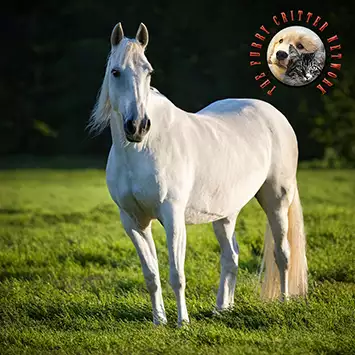

The adult Lipizzan, generally considered to be in its prime from approximately six to eighteen years of age, is a robust and durable horse when properly maintained. This stage represents the period of peak physical capability, and the care decisions made during these years directly influence how gracefully the horse transitions into its senior years. A proactive approach to health maintenance, rather than a reactive one, is the hallmark of responsible Lipizzan ownership.
Annual or biannual veterinary wellness examinations should be the foundation of the adult Lipizzan's health program. These visits allow the veterinarian to assess overall condition, listen to the heart and lungs, evaluate dental health, and address any emerging concerns before they become serious problems. Blood work panels performed periodically can reveal early signs of metabolic conditions, organ dysfunction, or nutritional imbalances that are not yet causing visible symptoms.
Vaccination schedules should be maintained according to regional disease risks and veterinary recommendations. Core vaccinations for equines typically include protection against tetanus, Eastern and Western equine encephalomyelitis, West Nile virus, and rabies, with additional vaccines recommended based on geography and lifestyle factors such as travel or competition. Deworming should follow a targeted approach based on fecal egg count testing rather than routine rotational dosing, as this strategy reduces parasite resistance while still protecting the horse effectively.
Daily observation remains one of the most valuable health maintenance tools available. An owner who knows their horse's normal behavior, appetite, manure consistency, and demeanor is often the first to notice when something is off. Subtle changes such as a slight decrease in appetite, a mild reluctance to move forward, or a change in drinking habits can be early indicators of problems that benefit from prompt attention.