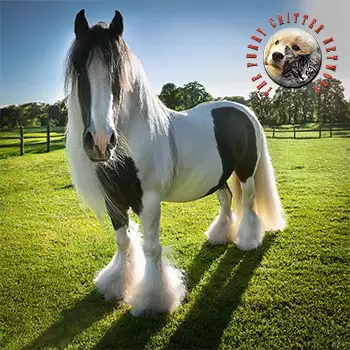

Peak Health Maintenance

The adult Gypsy Vanner, typically between four and fifteen years of age, is in its physical prime. During these years, the horse's skeletal system has fully matured, its muscular development has peaked, and its immune system is robust. Maintaining this excellent baseline health requires consistent, proactive management rather than reactive care. A structured routine of regular veterinary checkups, farrier visits, dental exams, and daily observation forms the backbone of peak health maintenance.

Annual or biannual wellness exams allow your veterinarian to catch subtle changes before they become serious problems. These visits should include a thorough physical examination, bloodwork to assess metabolic and organ function, and an evaluation of body condition. For the Gypsy Vanner specifically, metabolic screening is particularly important due to the breed's predisposition to insulin dysregulation and related conditions.

Vaccinations should follow the guidelines recommended by your veterinarian based on regional disease risk. Core vaccines typically include those for tetanus, Eastern and Western equine encephalomyelitis, West Nile virus, and rabies. Risk-based vaccines such as influenza and rhinopneumonitis may also be recommended depending on the horse's exposure level through travel, shows, or contact with new horses.

Parasite management during the adult years should follow a targeted approach based on fecal egg counts rather than routine calendar-based deworming. This strategy reduces the development of drug-resistant parasites while still protecting the horse from harmful parasite loads. Your veterinarian can establish a monitoring schedule and recommend treatment only when egg counts exceed established thresholds.

Nutrition at Maturity

Feeding the adult Gypsy Vanner requires careful attention to the breed's metabolic tendencies. As easy keepers, mature Vanners frequently maintain weight on forage alone or with minimal supplementation, and overfeeding is a far more common problem than underfeeding. Obesity in this breed carries serious health risks, including laminitis, joint stress, and exacerbation of metabolic conditions.

High-quality forage should form the foundation of the diet, provided at approximately one and a half to two percent of body weight per day. If additional calories are needed for horses in moderate to heavy work, choose feeds that are low in starch and sugar and higher in fat and fiber. Beet pulp, stabilized rice bran, and feeds specifically formulated for metabolically sensitive horses are good options. Avoid sweet feeds, grain-heavy concentrates, and excessive treats.

Mineral and vitamin supplementation may be necessary depending on the quality of your local forage. A forage analysis, which tests your hay for nutrient content, is an inexpensive and invaluable tool for identifying specific deficiencies. Common shortfalls in many regions include copper, zinc, selenium, and vitamin E. A targeted mineral supplement fills these gaps without adding unnecessary calories.

Pasture management is an important component of nutrition for the adult Vanner. Lush, rapidly growing grass, particularly in spring and fall, can contain dangerously high levels of nonstructural carbohydrates. Using a grazing muzzle, limiting turnout hours during peak sugar times, or maintaining a dry lot with controlled hay access are effective strategies for managing grass intake without sacrificing the physical and mental benefits of turnout.

Exercise & Fitness

The adult Gypsy Vanner is a versatile athlete suited to a wide range of disciplines, including driving, dressage, trail riding, and general pleasure riding. A consistent exercise program maintains cardiovascular fitness, muscle tone, joint health, and mental well-being. The specific program should match the horse's intended use, fitness level, and individual capabilities.

For horses in regular ridden or driven work, a balanced program includes a mix of flatwork, trail riding, and occasional more demanding sessions interspersed with lighter recovery days. Warm-up and cool-down periods are essential for every session, particularly for the breed's heavier build, which places greater demands on tendons and ligaments during work. Walking for ten to fifteen minutes before and after more strenuous activity allows the musculoskeletal system to prepare and recover.

Even horses not in active work benefit from daily movement. Turnout in a pasture large enough to encourage walking and trotting provides baseline fitness and prevents the stiffness and behavioral issues that arise from prolonged stall confinement. The Gypsy Vanner thrives with ample outdoor time and social interaction, and restricting these needs often leads to weight gain and frustration-related behaviors.

Monitor the horse's response to exercise carefully. Excessive sweating, prolonged recovery times, reluctance to move forward, or subtle changes in gait can all signal emerging fitness or soundness issues. Adjust the workload based on what the horse tells you through its behavior and physical responses, and consult your veterinarian or an equine bodyworker if you notice persistent stiffness or discomfort.

Preventive Health Care

Preventive care for the adult Gypsy Vanner extends beyond vaccinations and deworming to include regular dental, hoof, and skin care. Each of these areas has breed-specific considerations that owners should understand to provide the best possible management.

Dental examinations should be performed annually by a qualified equine dentist or veterinarian. Horses develop sharp enamel points, hooks, and other dental irregularities that can cause pain, difficulty chewing, and resistance to the bit. Routine floating, the process of smoothing these sharp edges, keeps the horse comfortable and ensures efficient feed utilization. Signs that dental work may be overdue include dropping feed, tilting the head while eating, weight loss despite adequate nutrition, or foul breath.

Hoof care is critical for this breed. The Gypsy Vanner's heavy body and abundant feathering create unique hoof management challenges. Regular farrier visits every six to eight weeks maintain proper hoof balance and address any developing issues. The feathering can trap moisture against the skin above the hoof, creating conditions favorable for bacterial and fungal infections such as scratches or mud fever. Keeping feathering clean and dry, and inspecting the skin beneath it regularly, helps prevent these painful conditions.

Skin and coat care in the adult Vanner is a significant time commitment that directly impacts health. The thick double coat, heavy mane, tail, and leg feathering all require regular grooming to prevent matting, detect skin conditions, and remove debris. During shedding season, thorough grooming sessions help the horse transition between winter and summer coats comfortably and allow you to check for lumps, bumps, rashes, or signs of external parasites.

Behavioral Maturity

By the time a Gypsy Vanner reaches full adulthood, its temperament has typically settled into the calm, willing, and people-oriented disposition the breed is known for. The behavioral volatility of adolescence gives way to a more predictable and reliable personality, making the mature Vanner an excellent partner for riders and drivers of varying experience levels.

However, behavioral maturity does not mean the horse stops learning or changing. Adult horses continue to be shaped by their experiences, and negative handling, inconsistent boundaries, or traumatic events can alter even the most well-established temperament. Maintaining a relationship built on trust, consistency, and fair expectations preserves the Vanner's natural cooperativeness and prevents the development of resistance or anxiety.

Some adult Vanners develop strong bonds with specific people and may show preferential behavior toward their primary handler. While this attachment is endearing, it is important that the horse remains comfortable being handled by other competent individuals. Regular exposure to different handlers for routine care, including farrier and veterinary visits, ensures the horse remains adaptable and manageable in any situation.

Boredom can be a behavioral concern for intelligent breeds like the Gypsy Vanner, particularly for horses that spend significant time stalled or in limited turnout. Mental stimulation through varied work, enrichment activities, social interaction, and environmental variety keeps the adult horse engaged and content. A bored Vanner may develop stable vices or become dull and unresponsive in work, both of which diminish the quality of the human-horse relationship.

Hoof, Feathering & Grooming

The Gypsy Vanner's abundant feathering is one of its most striking features, but it also represents one of the breed's greatest care demands. The long hair on the lower legs traps moisture, mud, and debris, creating a warm, damp environment ideal for bacterial and fungal growth. Conditions such as scratches, commonly known as mud fever or pastern dermatitis, are a persistent concern and require vigilant prevention.

A regular grooming routine for the feathering should include thorough brushing to remove tangles and debris, inspection of the skin beneath the hair for redness, scabbing, or swelling, and occasional washing followed by complete drying. Many owners choose to apply a light conditioning product to keep feathering manageable, but heavy oils or silicone-based products can actually trap moisture against the skin and worsen problems. Discuss appropriate products with your veterinarian or an experienced Gypsy Vanner breeder.

The mane and tail of the adult Vanner can reach remarkable lengths and require regular detangling to prevent mats that pull on the skin and cause discomfort. Work through tangles gently from the bottom up, using your fingers or a wide-toothed comb. Pulling or cutting through mats damages the hair and can leave the mane looking thin and uneven. Some owners braid the mane and bag the tail to protect the hair from breakage and contamination during turnout.

Overall body grooming should be thorough and frequent, serving as both a bonding activity and a health monitoring tool. Each grooming session is an opportunity to run your hands over the horse's entire body, checking for cuts, swelling, heat, sensitivity, or changes in coat condition. The daily grooming routine is often where subtle health issues are first detected, long before they become clinically obvious.

Always consult a qualified professional before making any health-related decisions. This content is provided for informational reference only and should not replace professional guidance specific to your animal.