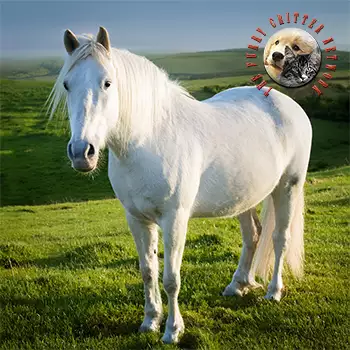

Growth & Physical Development

The Connemara Pony undergoes significant physical transformation during its juvenile and adolescent years, roughly from weaning at around five to six months through to the age of three or four. During this period, the young pony will gain the majority of its adult height, though it will continue to fill out and mature in body condition well into its fourth or fifth year. Growth rates can vary considerably between individuals, and it is important to allow the Connemara to develop at its own pace without pushing for premature size.

Connemara Ponies typically reach a mature height between 12.2 and 14.2 hands. Yearlings often appear leggy and somewhat unbalanced as their skeletal growth outpaces muscular development. This is entirely normal, and owners should resist the urge to begin heavy work or conditioning that could stress developing bones and joints. Growth plates in the legs and spine close at different rates, with some not fully fusing until the pony is four years old or older.

Regular assessments of body condition are essential during this stage. A growing Connemara should carry a moderate amount of flesh over its ribs without becoming overweight. Excess weight during the growth phase places undue stress on developing joints and increases the risk of developmental orthopedic conditions. Conversely, an underweight youngster may not have the nutritional resources needed for proper bone and muscle development.

Hoof care begins in earnest during the juvenile stage. Regular farrier visits, typically every six to eight weeks, ensure the hooves are trimmed correctly and any conformational issues are addressed early. The farrier and veterinarian should work together to monitor leg alignment, as mild deviations caught during the growth phase can often be managed more effectively than those discovered later.

Nutrition & Diet Transition

The transition from milk-dependent foal to independently feeding youngster is one of the most important nutritional shifts in a Connemara Pony's life. Weaning typically occurs between five and seven months of age and should be managed gradually to reduce stress on both the mare and foal. By the time weaning begins, the foal should already be eating hay and a small amount of age-appropriate concentrate feed alongside the mare.

After weaning, the young Connemara's diet should consist primarily of high-quality forage. Good grass hay or a mix of grass and a small proportion of legume hay provides the fiber and baseline nutrition the growing pony needs. Concentrates formulated specifically for growing horses can supplement forage, but should be fed judiciously. Connemara Ponies are an easy-keeping breed with efficient metabolisms, and overfeeding concentrates can lead to rapid weight gain and associated developmental problems.

Minerals and vitamins play a critical role during the growth phase. Calcium, phosphorus, copper, and zinc are particularly important for proper bone development. A well-formulated mineral supplement or a feed specifically designed for growing horses will typically address these needs. Your veterinarian or equine nutritionist can evaluate your forage through a hay analysis and recommend supplements tailored to any deficiencies identified.

Access to clean, fresh water is essential at all times. Young ponies are active and can dehydrate quickly, especially during warm weather or after vigorous play. Salt should also be available, either as a free-choice block or loose salt, to encourage adequate water intake and support electrolyte balance during the demanding growth period.

Behavioral Changes

The juvenile and adolescent years bring noticeable behavioral changes in the Connemara Pony as it transitions from a dependent foal to a more independent young horse. Weanlings may go through a period of anxiety and vocal distress when first separated from the mare, but Connemara Ponies generally adapt well when weaned alongside other young horses or in the company of a calm, older companion.

As yearlings and two-year-olds, Connemara Ponies often become more assertive and begin testing boundaries with both their herd mates and their handlers. This is a natural part of social development and should be met with calm, consistent responses rather than harsh correction. The breed's intelligence means they learn quickly, but it also means they can develop evasive behaviors if handled inconsistently or with excessive force.

Play behavior is a hallmark of this stage. Young Connemaras engage in energetic bouts of running, mock fighting, mutual grooming, and exploration. These activities serve important developmental purposes, building physical fitness, refining coordination, and reinforcing social skills. Providing ample turnout space where the young pony can move freely and interact with peers is one of the best investments you can make during this period.

Some adolescent ponies, particularly colts, may begin exhibiting early sexual behaviors such as mounting, vocalization, and increased territorial marking. These behaviors are hormonally driven and will be influenced by decisions about gelding. Fillies may show their first estrus cycles as yearlings or two-year-olds, which can cause temporary changes in mood and focus. Understanding that these behaviors are normal developmental processes helps owners respond appropriately and maintain a positive relationship with the young horse.

Training Priorities

Training a juvenile Connemara Pony should focus on building a solid foundation of ground manners, trust, and basic skills rather than on ridden work or performance demands. The breed's willing nature and sharp intellect make it highly trainable, but the young pony's skeletal immaturity means that saddle work should be delayed until the pony is at least three years old, with many breeders and trainers preferring to wait until four.

Groundwork during the weanling and yearling stage should include leading quietly, tying safely, standing for the farrier and veterinarian, and accepting grooming and handling of all parts of the body. These seemingly simple skills form the bedrock upon which all future training is built. Sessions should be short, positive, and varied to maintain the young pony's interest and prevent boredom or resentment.

As the Connemara approaches two and three years of age, training can expand to include lunging at the walk and trot, introduction to ground driving with long lines, desensitization to equipment such as saddle pads, surcingles, and eventually a saddle and bridle. Each new element should be introduced gradually and systematically, with the trainer alert to signs of confusion, fear, or physical discomfort.

Connemara Ponies excel across a wide range of disciplines, including jumping, dressage, driving, and trail riding. While it is too early during the juvenile stage to specialize, you can begin to observe the young pony's natural aptitudes and preferences. A pony that naturally enjoys jumping small obstacles in the field may be well suited to a jumping career, while one that shows balance and rhythm on the lunge may lean toward dressage. Let these early observations inform, but not rigidly define, the pony's future training path.

Exercise & Activity

Exercise for a juvenile Connemara Pony should be largely self-directed through ample turnout in safe, well-fenced pastures. Free movement over varied terrain builds strength, coordination, and bone density naturally without the repetitive stress of structured exercise. The Connemara evolved on rocky, undulating moorland, and the breed thrives when given space to move, explore, and play.

Forced exercise, such as lunging for extended periods or ponying alongside a ridden horse at speed, is inappropriate for young horses whose skeletal systems are still developing. Growth plates in the knees, hocks, and spine are particularly vulnerable to repetitive concussive forces. Short, controlled lunging sessions of ten to fifteen minutes at the walk and trot can be introduced for two-year-olds as part of their training, but these should never be physically demanding.

Socialization with other young horses provides a natural and beneficial form of exercise. Ponies turned out together will engage in spirited play that mimics the movement patterns they will use later in life under saddle. Running, stopping, turning, and navigating uneven ground all contribute to the development of proprioception and athletic ability.

Monitor the young pony after turnout and play sessions for any signs of lameness, swelling, or heat in the legs and joints. Growing horses can occasionally sustain injuries during exuberant play, and early detection of strains or minor injuries prevents them from becoming chronic problems. Provide a period of quiet time after energetic sessions, and ensure the pony has access to shelter, water, and forage to recover comfortably.

Gelding Considerations

The decision of whether and when to geld a Connemara Pony colt is an important one that affects behavior, management, and the colt's future role. Gelding, the surgical castration of a male horse, is typically performed between six months and two years of age, though the optimal timing depends on individual development, management circumstances, and the advice of your veterinarian.

Early gelding, performed around six to twelve months of age, often results in a calmer, more manageable youngster and eliminates the hormonal behaviors that can complicate training and herd management. Colts gelded at this age tend to integrate well into mixed groups and are generally easier to handle during the adolescent period. The procedure is considered routine and carries relatively low risk when performed by an experienced equine veterinarian.

Some owners choose to wait until the colt is a yearling or two-year-old before gelding, hoping that additional testosterone exposure will promote muscular development and a more masculine frame. While there is some evidence that later gelding can influence body type, the Connemara Pony is a compact, well-muscled breed by nature, and the behavioral advantages of earlier gelding often outweigh the modest physical differences.

If a colt is being considered for breeding, gelding should obviously be deferred until a thorough evaluation of conformation, temperament, movement, and pedigree has been conducted. The Connemara Pony breed has well-established registry standards, and only stallions that genuinely contribute to the improvement of the breed should be retained intact. Responsible ownership means making this decision based on the breed's best interests rather than on sentiment or convenience.

Socialization & Exposure

Continued socialization throughout the juvenile and adolescent stage is essential for producing a confident, well-rounded Connemara Pony. The foundation laid during the foal's first weeks should be expanded systematically as the young pony matures and is capable of processing new experiences with increasing sophistication.

Exposure to a variety of environments, objects, sounds, and situations builds the pony's confidence and reduces the likelihood of fearful or reactive behavior later in life. Walk the young pony past farm equipment, vehicles, tarps, flags, water crossings, and livestock. Introduce trailer loading well before the first actual trip, allowing the pony to investigate the trailer at its own pace with positive reinforcement.

Human interaction should remain frequent and positive. The juvenile Connemara should be comfortable with multiple handlers, including people of different ages and builds. Visits from the farrier and veterinarian are valuable socialization opportunities as well as necessary health care events. A pony that learns to stand quietly for these professionals as a youngster will be far easier to manage as an adult.

Herd socialization remains important throughout this stage. If possible, keep the young Connemara in a group that includes horses of varying ages and temperaments. Older, patient horses can serve as mentors, correcting the youngster's social missteps and modeling calm behavior. A pony raised in isolation or only with same-age peers may develop social deficits that manifest as anxiety, aggression, or insecurity when introduced to new equine companions later in life.

Always consult a qualified professional before making any health-related decisions. This content is provided for informational reference only and should not replace professional guidance specific to your animal.