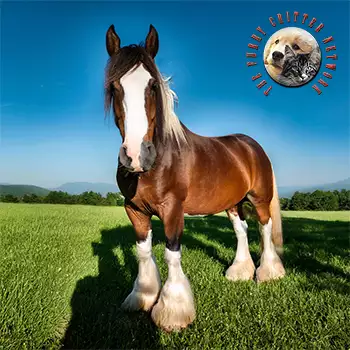

Peak Health Maintenance

A mature Clydesdale in its prime years, generally between five and fifteen years of age, is an impressive animal capable of sustained work, athletic performance, and years of reliable partnership. Maintaining peak health during this period requires a proactive approach that combines consistent daily management with regular professional care. The investment made in preventive health during these years pays dividends in the horse's quality of life and longevity.

Annual or biannual veterinary examinations provide the foundation of a comprehensive health maintenance program. These wellness visits allow your veterinarian to assess body condition, listen to heart and lung sounds, evaluate dental health, and identify early signs of common conditions before they become serious problems. Blood work, including a complete blood count and metabolic panel, can reveal subclinical issues such as insulin dysregulation or liver stress that are not yet producing visible symptoms.

Vaccination and deworming protocols should be maintained according to your veterinarian's recommendations and adjusted for regional disease risk and the horse's lifestyle. Horses that travel frequently or are housed with a rotating population of other horses may require more aggressive vaccination schedules than those living in stable, closed herds. Parasite management should be guided by regular fecal egg counts rather than calendar-based deworming, an approach that is both more effective and less likely to contribute to parasite resistance.

Daily health monitoring by the owner or caretaker is equally important. Observing the horse's appetite, water intake, manure consistency, attitude, and movement each day creates a baseline of normal behavior against which any changes can be quickly detected. Clydesdales are stoic by nature and may not show obvious signs of discomfort until a condition has progressed significantly, making attentive daily observation an invaluable diagnostic tool.

Nutrition at Maturity

Feeding a mature Clydesdale requires balancing the horse's considerable caloric needs with the risk of obesity and its associated health complications. Despite their size and draft heritage, adult Clydesdales that are not performing heavy work on a daily basis are often easy keepers, meaning they maintain or gain weight readily on modest rations. Overfeeding a draft horse can lead to metabolic syndrome, laminitis, and excessive strain on joints and hooves.

High-quality forage should constitute the bulk of the adult Clydesdale's diet, typically amounting to 1.5 to 2 percent of body weight per day in dry matter. For a 2,000-pound horse, this translates to approximately 30 to 40 pounds of hay daily. The forage should be analyzed for nutritional content, and a mineral supplement selected to address any deficiencies identified in the analysis. Grass hays are generally preferred over rich legume hays for easy-keeping adult draft horses, though a grass-alfalfa blend may be appropriate for horses in moderate to heavy work.

Concentrate feeds should be used judiciously and only when the forage base alone cannot meet the horse's nutritional requirements. Horses in active draft work, regular competition, or lactation may benefit from a moderate grain ration, but idle or lightly worked Clydesdales often need nothing more than a ration balancer or vitamin-mineral supplement to round out their diet. The temptation to feed grain for the sake of feeding grain is one of the most common nutritional mistakes made with draft breeds.

Fresh, clean water must be available at all times. A mature Clydesdale can drink ten to fifteen gallons of water per day under normal conditions and significantly more in hot weather or during heavy work. Automatic waterers should be checked daily to ensure proper function, and water troughs should be cleaned regularly to prevent algae growth and contamination. Electrolyte supplementation may be warranted during periods of heavy sweating but should not replace access to plain water and a salt block.

Exercise & Fitness

The adult Clydesdale thrives with regular, purposeful exercise that maintains cardiovascular fitness, muscular strength, and joint health. Whether the horse is used for driving, riding, farm work, or show competition, a consistent fitness program prevents the deconditioning that leads to injury when the horse is asked to work after prolonged periods of inactivity. The old adage about keeping a horse legged up applies doubly to draft breeds, whose heavy body mass places greater demands on the musculoskeletal system.

Draft work, the traditional purpose of the Clydesdale, remains one of the best forms of exercise for this breed. Pulling a cart, wagon, or implement engages the horse's entire body and builds the deep muscular strength that supports joint stability. Clydesdales used for driving should be conditioned gradually, with working sessions increasing in duration and intensity over weeks rather than days. Even experienced driving horses benefit from a period of reconditioning after any extended layoff.

Riding is another excellent fitness option for adult Clydesdales, though rider weight relative to the horse's build should be considered. While Clydesdales are strong, their conformation is optimized for pulling rather than carrying, and excessive weight on the back can cause discomfort and long-term spinal issues. Trail riding, dressage basics, and arena work all provide beneficial exercise that keeps the horse mentally engaged while building balanced fitness.

Turnout on quality pasture remains a valuable supplement to any structured exercise program. Free movement throughout the day promotes circulation, supports digestive health, and allows the horse to engage in natural behaviors that contribute to mental well-being. Horses that spend the majority of their time in stalls are more prone to behavioral vices, digestive issues, and stiffness than those with regular access to pasture. Even a few hours of daily turnout makes a measurable difference in the overall health and happiness of an adult Clydesdale.

Preventive Health Care

Preventive health care for the adult Clydesdale extends well beyond annual vaccinations and deworming. A truly comprehensive program addresses the full spectrum of potential health issues, with particular attention to the conditions that disproportionately affect heavy draft breeds. By investing in prevention during the prime years, owners can reduce the frequency and severity of health problems as the horse ages.

Hoof care is arguably the most important element of preventive maintenance for a Clydesdale. These horses carry tremendous weight on their feet, and hoof problems that might be minor inconveniences in lighter breeds can be career-ending or life-threatening in a draft horse. Regular farrier visits every six to eight weeks, combined with daily hoof cleaning and inspection, help maintain proper hoof balance and detect early signs of thrush, abscesses, or structural deterioration. The dense feathering on the lower legs can trap moisture against the skin and hooves, making diligent hygiene essential.

Skin and coat health deserve special attention in Clydesdales due to their abundant feathering. Chronic progressive lymphedema, a condition that causes progressive swelling of the lower legs, is seen in some heavy draft breeds and has no cure, though early detection and management can slow its progression. Regular inspection of the skin beneath the feathering for signs of scaling, crusting, swelling, or discharge allows for early intervention. Keeping the feathering clean and dry, particularly during wet seasons, significantly reduces the incidence of secondary skin infections.

Weight management is a lifelong preventive health priority for the Clydesdale. Obesity increases the risk of laminitis, equine metabolic syndrome, joint disease, and heat intolerance. Regular body condition scoring using a standardized scale helps track changes over time and guides dietary adjustments. A body condition score of five on the nine-point scale is ideal for most adult horses, though individual variation and workload should be factored into the assessment.

Behavioral Maturity

By the time a Clydesdale reaches full maturity at around five to six years of age, its temperament and behavioral patterns are largely established. The calm, willing, and tractable nature that defines the breed is typically fully expressed in the mature horse, making the adult Clydesdale one of the most rewarding equine partners to work with. However, behavioral maturity does not mean the horse stops learning or adapting, and ongoing training and mental stimulation remain important throughout the adult years.

The mature Clydesdale's work ethic is one of its most valued characteristics. These horses were bred for centuries to perform demanding physical labor with patience and reliability, and that heritage manifests in a horse that genuinely seems to enjoy having a job. Owners who provide their adult Clydesdales with regular, meaningful work often report fewer behavioral issues than those whose horses stand idle for extended periods. Boredom and underemployment can lead even the most placid draft horse to develop undesirable habits.

Relationship dynamics between the adult Clydesdale and its handler continue to evolve over years of partnership. Trust deepens with consistent, fair handling, and many Clydesdales develop a keen sensitivity to their handler's mood and intentions. This emotional intelligence makes them exceptional therapy horses, parade animals, and family companions. Maintaining this bond requires ongoing investment in quality time, not just working sessions but also grooming, hand-grazing, and simple companionship.

Behavioral changes in an adult horse that has been stable and predictable should always be investigated as potential indicators of physical discomfort. A Clydesdale that suddenly becomes girthy, head-shy, reluctant to work, or aggressive during handling may be experiencing pain from dental issues, musculoskeletal problems, gastric ulcers, or other medical conditions. Ruling out physical causes should always be the first step before attributing behavioral changes to training or temperament issues.

Dental & Grooming

Dental care is a critical and often underappreciated component of adult Clydesdale management. Horses' teeth erupt continuously throughout their lives and develop sharp enamel points, hooks, ramps, and other irregularities that can cause pain, difficulty chewing, and weight loss if left unaddressed. Annual dental examinations by a qualified equine dentist or veterinarian should be a non-negotiable part of the adult horse's care schedule, with more frequent attention for horses with known dental issues.

Signs of dental problems in the adult Clydesdale include dropping partially chewed feed, excessive salivation, difficulty maintaining weight despite adequate rations, head tilting while eating, resistance to the bit, and foul odor from the mouth. Some horses compensate remarkably well for dental discomfort, showing few outward signs even when significant abnormalities are present. This is why scheduled examinations are essential rather than relying solely on visible symptoms to trigger dental care.

Grooming the adult Clydesdale is both a health practice and a bonding ritual. The breed's dense coat and abundant feathering require more grooming attention than most light horse breeds. Daily brushing removes dirt, distributes natural oils, and provides an opportunity to inspect the skin for cuts, swelling, parasites, or other abnormalities. The feathering on the legs should be carefully combed and checked for signs of skin irritation or infection, particularly after wet or muddy conditions.

Bathing should be done as needed but not so frequently that it strips the natural oils from the coat and skin. When bathing is necessary, use gentle, equine-formulated products and ensure the feathering is thoroughly dried afterward, as trapped moisture beneath dense hair is a primary contributor to skin disease. Mane and tail care, including regular detangling and occasional conditioning, keeps these features healthy and manageable. Show horses may require more intensive grooming regimens, but the basic principles of cleanliness, inspection, and skin health apply to every Clydesdale regardless of its intended use.

Always consult a qualified professional before making any health-related decisions. This content is provided for informational reference only and should not replace professional guidance specific to your animal.