
Growth & Physical Development

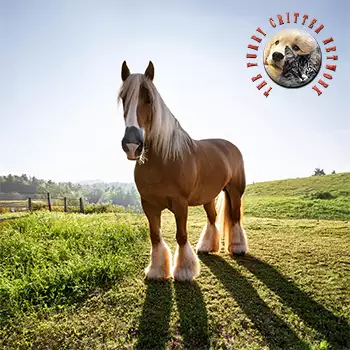
The Belgian Draft is one of the heaviest and most powerful horse breeds in the world, and the juvenile period from weaning through approximately three years of age is defined by extraordinary physical growth. A Belgian Draft weanling may weigh 500 to 700 pounds at six months of age and will continue gaining steadily, often reaching 1,200 to 1,500 pounds by the time it turns two. This rapid accumulation of bone, muscle, and body mass requires careful oversight to ensure the skeleton matures soundly beneath the increasing load.

Unlike lighter horse breeds that may reach near-adult size by age two, Belgian Drafts continue significant growth well into their third and sometimes fourth year. The growth plates in their legs, which are cartilaginous zones where new bone forms, close later in heavy breeds than in lighter ones. This extended maturation window means that the young Belgian Draft's skeletal system remains vulnerable to stress injuries, angular deformities, and developmental orthopedic disease for a longer period.

Regular body condition assessments help ensure the young horse is growing at a healthy rate without becoming overweight. An overly heavy juvenile draft horse places excessive mechanical stress on developing joints and bones, increasing the risk of conditions such as osteochondritis dissecans and epiphysitis. Conversely, inadequate nutrition during this phase can stunt growth and compromise the horse's long-term structural integrity.

Monthly or bimonthly weight and height measurements provide objective data to track growth curves and identify any deviation from expected patterns. Your veterinarian and equine nutritionist can help interpret these measurements in the context of the individual horse's genetics, feeding program, and overall health. Photographs taken at regular intervals also serve as a useful visual record of the horse's development over time.

Nutrition & Diet Transition

The transition from mare's milk to independent feeding is one of the most important nutritional events in a young Belgian Draft's life. Weaning typically occurs between four and six months of age, and the foal should already be eating a quality foal feed and good hay before the mare is removed. An abrupt dietary change at weaning adds unnecessary stress to an already challenging period, so the foal's independent diet should be well established before separation.

Juvenile Belgian Drafts require a carefully balanced diet that supports steady growth without promoting excessive weight gain. A feed specifically formulated for growing horses should provide appropriate levels of protein, calcium, phosphorus, and trace minerals in proper ratios. The calcium-to-phosphorus ratio is particularly important for sound skeletal development and should generally fall between 1.5:1 and 2:1. Avoid feeds designed for mature horses, as these do not meet the specific nutritional demands of a growing draft breed.

High-quality forage should form the foundation of the young horse's diet. Good grass hay or a grass-alfalfa mix provides fiber, calories, and essential nutrients while promoting healthy digestive function. Alfalfa alone, while nutritious, can provide excessive protein and calories for a young draft horse and may contribute to undesirable growth rates. Access to clean, fresh water at all times is essential, as growing horses have significant hydration needs.

As the horse matures past its first birthday, dietary adjustments should reflect the slowing growth rate. The concentrate portion of the diet may be gradually reduced while forage intake increases. Consult with an equine nutritionist familiar with draft breeds to develop a feeding plan tailored to your horse's specific growth trajectory, activity level, and body condition. Avoid the temptation to push growth with high-energy feeds, as a slower, steadier growth rate produces sounder adults in heavy breeds.

Behavioral Changes

The juvenile period brings significant behavioral changes as the Belgian Draft transitions from a dependent foal to an increasingly independent young horse. Weanlings may experience stress and anxiety when first separated from their dams, and this transition should be managed thoughtfully to minimize emotional distress. Weaning alongside a calm, older companion horse often eases the process and provides the young Belgian with a sense of security during the adjustment.

As the young horse enters its yearling year, it becomes more curious, playful, and occasionally testing of boundaries. Belgian Drafts are generally known for their calm and cooperative disposition, but even the most docile draft breed goes through phases of adolescent pushiness. A 1,000-pound yearling that has learned to lean on, crowd, or drag its handler presents a genuine safety concern that will only magnify as the horse grows, so consistent boundary-setting during this stage is essential.

Two-year-old Belgian Drafts often display a noticeable increase in confidence and social awareness. Colts may begin showing stallion-like behaviors including posturing, vocalizing, and attempting to mount other horses. Fillies may exhibit their first heat cycles and associated behavioral shifts such as increased sensitivity, tail raising, and distraction. Understanding these hormonally driven behaviors helps handlers respond appropriately rather than interpreting normal development as disobedience.

Social dynamics within a herd environment become increasingly important during the juvenile stage. Young Belgian Drafts benefit enormously from turnout with compatible companions, where they learn essential social skills including respect for space, reading body language, and conflict resolution. Horses raised in isolation during this formative period often struggle with social integration later in life and may develop behavioral problems rooted in anxiety or poor communication skills.

Training Priorities

Training a juvenile Belgian Draft should focus on building a solid foundation of ground manners, trust, and responsiveness long before any thought of riding or driving work. The immense size and strength of a mature Belgian make early groundwork not merely beneficial but essential for safe handling throughout the horse's life. A well-mannered two-year-old that leads, ties, stands for grooming, and picks up its feet willingly is the product of consistent, patient training begun during the weanling stage.

Halter training and leading should be well established by the time of weaning. The young horse should walk forward willingly, stop when asked, back up on command, and yield its hindquarters and shoulders to light pressure. These fundamental responses form the vocabulary of communication between horse and handler and serve as the building blocks for all future training. Keep training sessions short and end on a positive note to maintain the young horse's willingness and enthusiasm.

Desensitization to common stimuli is an important component of juvenile training for a breed that may eventually work in varied environments. Introduce the young Belgian to clippers, spray bottles, tarps, unusual sounds, and novel objects in a calm, systematic manner. The breed's naturally steady temperament is an asset in this process, but each individual horse has its own threshold for new experiences, and patience is always more productive than pressure.

Belgian Drafts should not begin ridden or driven work until their skeletal system is sufficiently mature, which for most draft breeds means no earlier than three years of age, with many breeders waiting until four. The additional time spent on groundwork, long-lining, and basic harness introduction before the horse carries weight or pulls loads pays dividends in the form of a physically sound and mentally prepared adult horse. Rushing a heavy breed into work before its bones and joints are ready invites lifelong soundness problems.

Exercise & Activity

Appropriate exercise during the juvenile stage supports healthy musculoskeletal development, cardiovascular fitness, and mental well-being in the growing Belgian Draft. The best form of exercise for a young draft horse is free turnout in a large, safely fenced pasture where it can walk, trot, canter, and play at its own pace. This self-directed movement allows the horse to develop balance, coordination, and strength without the repetitive stress that structured exercise can impose on immature joints.

Avoid forced exercise programs for Belgian Drafts under the age of two. Lunging, round pen work at speed, and long-distance ponying place repetitive concussive and rotational stress on developing bones and joints that are not yet equipped to handle such loads. The sheer weight of a young draft horse amplifies the impact forces generated during exercise, making moderation and common sense particularly important in this breed.

As the horse approaches two to three years of age, short, low-intensity groundwork sessions can be introduced to supplement free turnout. Walking over ground poles, navigating simple obstacles, and practicing transitions at the walk provide physical and mental stimulation without overloading the musculoskeletal system. These activities also reinforce training lessons and build the horse's confidence in a structured but low-pressure setting.

Turnout surface and terrain matter significantly for a growing draft horse. Firm, even ground is preferable to deep mud, which stresses tendons and ligaments, or hard, frozen ground, which increases concussive impact on joints. Gentle hills and varied terrain encourage the horse to use its body in different ways and promote balanced muscular development. Ensure that turnout areas are free of hazards such as holes, protruding roots, abandoned equipment, and unsafe fencing.

Gelding Considerations

The decision of whether and when to geld a Belgian Draft colt is an important one that affects the horse's physical development, temperament, and future use. Most colts that are not intended for breeding are gelded between six and eighteen months of age. Earlier gelding tends to produce a taller, leaner build because testosterone influences growth plate closure, while later gelding may allow the horse to develop more muscular bulk and a thicker neck characteristic of an intact male.

The procedure itself is routine and is performed by a veterinarian, either standing under sedation or under general anesthesia depending on the individual situation and the veterinarian's preference. Belgian Draft colts are large even at a young age, and the logistics of the procedure should be discussed with your veterinarian to determine the safest approach. Recovery generally takes two to three weeks, during which the horse should be kept in a clean environment with controlled exercise to promote drainage and prevent swelling.

Behaviorally, gelding typically results in a calmer, more focused horse that is easier to handle and safer to keep in mixed-sex groups. While Belgian Drafts are already among the most docile of breeds, an intact colt's increasing testosterone levels during the juvenile period can produce unwanted behaviors including aggression toward other horses, mounting attempts, and difficulty concentrating during handling and training sessions.

If a colt shows exceptional breed quality and is being considered as a breeding prospect, the decision to leave him intact should involve consultation with experienced Belgian Draft breeders and a thorough evaluation of the horse's conformation, temperament, and lineage. The responsibility of standing a stallion is significant, and the breed is best served by selective breeding programs that prioritize soundness, temperament, and adherence to breed standards.

Socialization & Exposure

The juvenile years represent a critical window for socialization that shapes the Belgian Draft's adult temperament and adaptability. Horses that are exposed to a wide variety of people, environments, animals, and situations during this stage develop into confident, well-adjusted adults that handle new experiences with the calm steadiness the breed is known for. Conversely, horses raised in restricted, monotonous environments may become anxious or reactive when confronted with unfamiliar situations later in life.

Introduce the young Belgian Draft to different people of varying ages, sizes, and appearances. A horse that is comfortable with men, women, and children, as well as people wearing hats, carrying equipment, or moving in unfamiliar ways, is a safer and more versatile animal. Each positive interaction reinforces the horse's trust in humans and builds a reservoir of confidence that serves it well in future training and work.

Exposure to different environments is equally important. If possible, trailer the young horse to new locations where it can experience different sights, sounds, and smells in a controlled, low-pressure manner. Loading and unloading practice itself is a valuable skill for a draft horse that may need to travel for veterinary care, shows, or work opportunities. Begin trailer training early, using patience and positive reinforcement to create a calm association with the trailer.

Interaction with other animals, including other horse breeds, ponies, dogs, cats, and livestock, broadens the young Belgian's social awareness and contributes to the unflappable disposition that makes draft horses so valued in diverse working and recreational settings. Supervised exposure during the juvenile stage prevents the development of fear-based reactions that can be difficult to overcome in an adult horse weighing over a ton.

Always consult a qualified professional before making any health-related decisions. This content is provided for informational reference only and should not replace professional guidance specific to your animal.