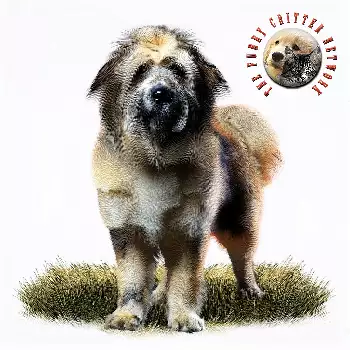

Growth & Physical Development

The Pyrenean Shepherd enters its juvenile stage around eight weeks of age and continues through approximately twelve to eighteen months, depending on the individual dog. During this time, the puppy undergoes dramatic physical changes, transitioning from a round, clumsy youngster into a lean, agile adolescent that begins to resemble the adult it will become. Growth in this breed tends to be rapid during the first six months, then gradually tapering as the dog approaches its full size.

Pyrenean Shepherds are a small to medium breed, and most will reach their adult height by around ten to twelve months of age, though they may continue to fill out and develop muscle definition for several months beyond that. The rough-faced variety will see significant coat development during this period, with the characteristic windswept appearance becoming more pronounced. The smooth-faced variety develops a shorter, finer coat but may still experience noticeable texture changes during adolescence.

Monitor your puppy's body condition regularly during these growth months. You should be able to feel the ribs easily without seeing them prominently, and the dog should have a visible waist when viewed from above. Pyrenean Shepherds are naturally lean and athletic, so avoid the temptation to overfeed in an effort to bulk up the dog. Excess weight during the growth phase places unnecessary stress on developing joints and bones.

Regular veterinary checkups during the juvenile period allow your veterinarian to track growth curves, identify any orthopedic concerns early, and ensure the puppy is developing on schedule. While the Pyrenean Shepherd is generally a hardy breed, growth plate injuries from excessive high-impact exercise can occur, so activity should be appropriate for the dog's developmental stage.

Nutrition & Diet Transition

Proper nutrition during the juvenile and adolescent period lays the groundwork for lifelong health in the Pyrenean Shepherd. Puppies should remain on a high-quality puppy food formulated for small to medium breeds until they approach their full adult size, typically around twelve months of age. Puppy formulas provide higher levels of protein, fat, and essential nutrients that support the rapid growth and development occurring during this stage.

Feeding schedules should be structured and consistent. From eight to twelve weeks, three meals per day is ideal. After twelve weeks, most Pyrenean Shepherd puppies can transition to two meals per day, a pattern that many owners maintain throughout the dog's life. Avoid free-feeding, as it makes it difficult to monitor intake and can contribute to picky eating habits or weight management problems.

The transition from puppy food to adult food should be gradual, occurring over a period of seven to ten days. Begin by mixing a small amount of the adult formula into the puppy food and gradually increasing the proportion until the switch is complete. Abrupt diet changes can cause digestive upset including diarrhea and vomiting, which is uncomfortable for the dog and stressful for the owner.

Fresh water should be available at all times, and treats should constitute no more than ten percent of the daily caloric intake. Training treats are an important tool during the juvenile period, so choose small, low-calorie options that allow for frequent rewards without contributing to excess weight gain. Avoid feeding table scraps or human foods that may be toxic to dogs, and consult your veterinarian if you have questions about supplementation or specialized diets.

Behavioral Changes

Adolescence in the Pyrenean Shepherd is marked by significant behavioral shifts that can challenge even experienced dog owners. This breed is exceptionally intelligent and sensitive, which means that the typical teenage testing of boundaries is often accompanied by a heightened awareness of environmental stimuli. Between six and twelve months, many Pyrenean Shepherds go through a secondary fear period during which previously confident puppies may suddenly show anxiety toward unfamiliar people, objects, or situations.

During this fear period, it is essential to respond with patience and calm reassurance rather than forcing the dog to confront whatever is causing concern. Pushing a Pyrenean Shepherd through a fear response can permanently damage its confidence and create lasting behavioral issues. Instead, allow the dog to observe the triggering stimulus from a comfortable distance, reward calm behavior, and gradually decrease the distance over multiple sessions.

The Pyrenean Shepherd's natural herding instincts often become more pronounced during adolescence. You may notice your dog attempting to herd children, other pets, or even adults by nipping at heels or circling. While this behavior is instinctive and not aggressive, it needs to be redirected early to prevent it from becoming a nuisance. Providing appropriate outlets for herding drive through structured games and activities is far more effective than punishment.

Independence and selective listening are hallmarks of the adolescent phase. A puppy that responded reliably to commands at four months may suddenly seem to have forgotten everything it learned. This is a normal part of brain development, not willful disobedience. Maintain consistent expectations, keep training sessions short and engaging, and resist the urge to escalate corrections. The Pyrenean Shepherd responds best to patient, positive methods.

Training Priorities

Training a juvenile Pyrenean Shepherd is both rewarding and demanding, as the breed's exceptional intelligence requires mental stimulation that goes beyond basic obedience commands. During the juvenile period, the primary training goals should include reliable recall, loose-leash walking, impulse control, and polite greeting behavior. These foundational skills will serve the dog throughout its life and are much easier to establish during the formative months than to correct later.

The Pyrenean Shepherd thrives on variety and challenge in its training regimen. Repetitive drills quickly bore this breed, leading to disengagement or creative improvisation that may not align with your training objectives. Keep sessions short, ideally five to ten minutes for younger puppies and up to fifteen minutes for older adolescents, and incorporate games, problem-solving tasks, and new environments to maintain the dog's enthusiasm.

Positive reinforcement is the most effective training approach for this breed. Pyrenean Shepherds are highly sensitive to tone of voice and body language, and harsh corrections can produce fear, anxiety, or a dog that shuts down rather than engaging with the learning process. Use high-value rewards, enthusiastic praise, and play to mark desired behaviors, and redirect unwanted behaviors rather than punishing them.

Consider enrolling in structured training classes during the juvenile period, as these provide valuable socialization opportunities alongside skill development. Pyrenean Shepherds often excel in dog sports such as agility, herding trials, and rally obedience, and early introduction to these activities can provide excellent outlets for their abundant energy and drive. A Pyrenean Shepherd with a job to do is a happy and well-behaved companion.

Exercise & Activity

The Pyrenean Shepherd is one of the most energetic small herding breeds, and meeting its exercise needs during the juvenile period is essential for both physical health and behavioral balance. However, exercise must be age-appropriate to protect developing joints and growth plates. During the first six months, structured exercise should be limited to short walks, supervised free play, and gentle exploration, avoiding repetitive high-impact activities such as long-distance running, jumping from heights, or extended fetch sessions on hard surfaces.

As the puppy matures past six months, exercise duration and intensity can gradually increase. A good rule of thumb is five minutes of structured exercise per month of age, twice daily, though this is a guideline rather than a rigid formula. Free play in a securely fenced area allows the puppy to self-regulate its activity level, which young dogs are generally better at than their owners might expect.

Mental exercise is equally important for the Pyrenean Shepherd and should not be overlooked in favor of physical activity alone. Puzzle toys, scent work, training games, and environmental enrichment all help tire the brain and prevent the development of destructive behaviors born from boredom. A mentally stimulated Pyrenean Shepherd is significantly easier to live with than one whose sharp mind has nothing constructive to focus on.

By twelve months, most Pyrenean Shepherds can handle more demanding physical activities, though you should still build endurance gradually. This is an excellent age to begin introducing structured dog sports, hiking on varied terrain, and more advanced training challenges. Always monitor your dog for signs of fatigue or discomfort, and provide adequate recovery time between intense activity sessions.

Spay/Neuter Considerations

The decision of when to spay or neuter a Pyrenean Shepherd involves balancing several health, behavioral, and practical considerations. Current veterinary research suggests that allowing small to medium breeds to reach skeletal maturity before altering can support healthier joint and bone development. For the Pyrenean Shepherd, this generally means waiting until at least twelve months of age, though your veterinarian may recommend a different timeline based on your individual dog's health and circumstances.

Early spaying or neutering has traditionally been promoted to prevent unwanted litters and reduce certain behavioral issues, and these remain valid considerations. However, more recent studies have highlighted potential drawbacks of very early alteration, including increased risk of certain orthopedic conditions and possible effects on coat texture and metabolism. Discuss the latest research with your veterinarian to make an informed decision that is appropriate for your specific dog.

If you choose to delay spaying or neutering, responsible management is essential to prevent accidental breeding. Female Pyrenean Shepherds typically experience their first heat cycle between six and twelve months of age, and intact males may begin exhibiting mounting, marking, and roaming behaviors during adolescence. These behaviors require careful management and do not necessarily resolve immediately after alteration.

Regardless of the timing you choose, the surgical procedure itself is routine and well-tolerated by most dogs. Recovery typically takes seven to fourteen days, during which activity should be restricted to prevent complications at the incision site. Follow your veterinarian's post-operative instructions carefully, and watch for signs of infection, excessive swelling, or the dog interfering with the surgical site.

Socialization & Exposure

Socialization during the juvenile period is arguably the single most important investment you can make in your Pyrenean Shepherd's future temperament. The critical socialization window begins to close around fourteen to sixteen weeks of age, but continued positive exposure throughout adolescence reinforces early learning and helps the dog develop resilience. The Pyrenean Shepherd's natural alertness and wariness of strangers make thorough socialization especially important for this breed.

A well-socialized Pyrenean Shepherd should have positive experiences with a wide variety of people, including individuals of different ages, sizes, appearances, and movement styles. Expose the puppy to people wearing hats, sunglasses, uniforms, and carrying objects like umbrellas or bags. Each encounter should be pleasant and low-pressure, allowing the puppy to approach and investigate at its own pace rather than being overwhelmed by forced interactions.

Environmental socialization is equally crucial. Introduce your Pyrenean Shepherd to different surfaces such as grass, gravel, metal grates, tile, and carpet. Expose the puppy to various sounds including traffic, thunderstorms via recordings at low volume, household appliances, and children playing. Visit different locations such as pet-friendly stores, outdoor cafes, parks, and urban environments. Each positive experience broadens the dog's comfort zone and reduces the likelihood of fear-based behavior later in life.

Socialization with other dogs should be carefully managed to ensure positive outcomes. Seek out well-run puppy socialization classes and arrange playdates with known, well-tempered dogs of appropriate size and energy level. Avoid uncontrolled interactions at dog parks until your Pyrenean Shepherd has developed reliable social skills and a strong recall. Negative experiences with other dogs during this formative period can create lasting reactivity that is difficult to overcome.

Always consult a qualified professional before making any health-related decisions. This content is provided for informational reference only and should not replace professional guidance specific to your animal.