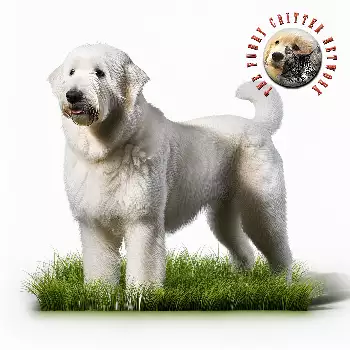

Growth & Physical Development

The Kuvasz is a large breed that undergoes a dramatic physical transformation during the juvenile and adolescent period, which spans roughly from three months to 18 months of age. During this time, a Kuvasz puppy may grow from a 15-pound bundle of white fluff into a powerful, muscular dog weighing 70 pounds or more. Growth is not always steady or proportional, and owners should expect periods where the legs seem too long for the body or the head appears oversized relative to the frame. These awkward phases are entirely normal for a large breed.

Bone development is a particular concern with the Kuvasz. Because these dogs grow rapidly and reach a substantial adult size, their skeletal system is under considerable stress during the juvenile period. Overexertion, excessive jumping, and running on hard surfaces can contribute to developmental orthopedic problems. Controlled exercise on soft, even terrain is preferable to long runs or vigorous play on pavement during this phase.

Most Kuvasz puppies will reach their full height by around 12 to 14 months of age, but they continue to fill out and add muscle mass well into their second year. Males tend to be noticeably larger than females, and individual variation within the breed can be significant. Regular veterinary checkups that include weight monitoring and joint assessments help ensure that growth is progressing normally and that any emerging orthopedic issues are caught early.

The transition from puppy coat to adult coat also occurs during this period. The Kuvasz's distinctive white double coat begins to thicken and lengthen, requiring more frequent grooming. Owners should introduce regular brushing routines early so the dog becomes accustomed to the process before the full adult coat comes in and matting becomes a greater risk.

Nutrition & Diet Transition

Feeding a growing Kuvasz correctly is one of the most important responsibilities during the juvenile period, and it requires a different approach than feeding a small or medium breed puppy. Large breed puppies are prone to growth-related skeletal problems when they grow too quickly, and overfeeding or providing a diet with excessive calcium and phosphorus can accelerate these risks. Choose a food specifically formulated for large breed puppies, which is designed to support steady, controlled growth rather than maximum growth speed.

Meals should be divided into three feedings per day until the puppy is around six months old, then transitioned to two meals per day. Free feeding is not recommended for the Kuvasz, both because it makes it difficult to monitor intake and because the breed can be prone to weight gain. Measure portions carefully according to the food manufacturer's guidelines, adjusting as needed based on the puppy's body condition and your veterinarian's recommendations.

The transition from puppy food to adult food typically occurs between 12 and 18 months for large breeds like the Kuvasz. This switch should be made gradually over a period of seven to ten days, mixing increasing proportions of adult food with decreasing amounts of puppy food. An abrupt diet change can cause gastrointestinal upset. Your veterinarian can help you determine the optimal timing for this transition based on your individual dog's growth rate and skeletal maturity.

Treats are an important part of training but should not exceed ten percent of the puppy's daily caloric intake. Avoid high-calorie commercial treats and instead use small pieces of lean meat, vegetables like carrots or green beans, or portions of the puppy's regular kibble. Supplements should only be given under veterinary direction, as excess supplementation of calcium or vitamin D can be harmful to developing bones and joints.

Behavioral Changes

Adolescence in the Kuvasz is a period that tests even experienced dog owners. This breed is known for its intelligence, independence, and strong will, and these traits intensify during the juvenile phase. Between four and eight months of age, many Kuvasz puppies begin testing boundaries, selectively ignoring commands they previously followed, and displaying a growing confidence that can manifest as stubbornness or defiance. This is not misbehavior in the traditional sense but rather the natural emergence of the breed's independent guardian temperament.

Fear periods are another hallmark of the juvenile stage and typically occur around eight to eleven weeks and again between six and fourteen months. During a fear period, a Kuvasz puppy may suddenly become wary of objects, people, or situations that previously caused no concern. It is critical to respond to these episodes with patience and calm reassurance rather than forcing the puppy to confront the source of its fear. Negative experiences during a fear period can leave lasting impressions on the dog's behavior.

Resource guarding may also emerge during adolescence, particularly in a breed with strong protective instincts like the Kuvasz. Early intervention through positive training techniques is essential if you notice the puppy becoming possessive over food, toys, or resting spots. Teaching the puppy that relinquishing an item leads to a positive outcome is far more effective than confrontational methods, which can escalate guarding behavior into aggression.

The Kuvasz's natural wariness of strangers typically begins to solidify during this period as well. While socialization should continue throughout adolescence, owners should recognize that a degree of reserve toward unfamiliar people is a breed characteristic, not a behavioral flaw. The goal of ongoing socialization is to ensure the dog can distinguish between normal, non-threatening situations and genuine threats, responding appropriately to each.

Training Priorities

Training a juvenile Kuvasz requires a blend of consistency, patience, and respect for the breed's independent nature. Unlike highly biddable breeds that are eager to please, the Kuvasz tends to evaluate whether a command is worth following. This does not mean the breed is unintelligent. On the contrary, the Kuvasz is remarkably perceptive and will quickly learn to exploit any inconsistency in handling. Firm, fair, and consistent leadership is essential from the outset.

Basic obedience commands such as sit, stay, come, down, and leave it should be well established during the juvenile period. Recall training is especially critical for the Kuvasz because this breed's protective instincts can override its compliance if it perceives a threat. Practicing recall in a variety of environments with gradually increasing distractions helps build reliability. However, many experienced Kuvasz owners acknowledge that off-leash reliability in unfenced areas may never be fully guaranteed with this breed.

Leash training deserves significant attention during adolescence. A Kuvasz that reaches 100 pounds or more will be extremely difficult to control on a leash if proper walking manners are not established while the dog is still young and physically manageable. Teach the dog to walk on a loose leash without pulling, and introduce a front-clip harness if additional control is needed during the learning process.

Positive reinforcement methods work best with the Kuvasz. Harsh corrections, physical punishment, and dominance-based training approaches tend to backfire with this breed, producing a dog that becomes resistant, defensive, or mistrustful rather than cooperative. Use rewards such as food, praise, and play to motivate desired behaviors, and redirect unwanted behaviors rather than punishing them. Short, engaging training sessions of ten to fifteen minutes are more productive than lengthy, repetitive drills that bore this intelligent breed.

Exercise & Activity

Balancing adequate exercise with the need to protect growing joints is a key challenge during the Kuvasz's juvenile period. This breed was developed to patrol and guard livestock over large areas, so it has a natural need for movement and mental engagement. However, the skeletal system of a large breed puppy is not fully mature until 18 to 24 months of age, and high-impact activities can cause lasting damage to developing growth plates, joints, and ligaments.

For puppies under six months, exercise should consist primarily of free play in a safely enclosed area, short walks on soft surfaces, and gentle exploration of new environments. A useful guideline is approximately five minutes of structured walking per month of age, offered twice daily. So a four-month-old Kuvasz would receive two 20-minute walks per day. This is a guideline, not a rigid rule, and individual puppies may need more or less depending on their energy levels and physical condition.

As the puppy matures past six months, exercise can gradually increase in duration and intensity, but activities that involve repetitive jumping, abrupt stops, or sustained running on hard surfaces should still be avoided until the dog is fully grown. Swimming is an excellent low-impact exercise option that builds muscle and cardiovascular fitness without stressing the joints. Off-leash play in a securely fenced yard allows the puppy to self-regulate its activity level, which young dogs generally do quite well.

Mental stimulation is just as important as physical exercise for the Kuvasz. Puzzle feeders, scent work, and basic obedience training all engage the dog's mind and help prevent the boredom and frustration that can lead to destructive behavior. A Kuvasz that is physically tired but mentally unstimulated may still find ways to entertain itself that owners will not appreciate.

Spay/Neuter Considerations

The timing of spay or neuter surgery is a topic of particular importance for large breed dogs like the Kuvasz, and current veterinary research suggests that early sterilization may carry health risks that are less significant in smaller breeds. Studies have linked early spaying and neutering in large breeds to an increased incidence of certain orthopedic conditions, including cranial cruciate ligament tears and hip dysplasia, as well as some forms of cancer. These findings have led many veterinarians to recommend delaying the procedure until the dog has reached skeletal maturity.

For male Kuvasz, skeletal maturity is typically reached between 18 and 24 months of age. For females, the recommendation often depends on the individual dog's development and the owner's circumstances. Some veterinarians suggest allowing a female to go through one or two heat cycles before spaying, as this allows sex hormones to complete their role in bone and joint development. However, this approach requires responsible management to prevent unintended breeding.

The decision should be made in consultation with your veterinarian, who can evaluate your individual dog's health, growth trajectory, and lifestyle factors. If early sterilization is necessary due to housing requirements, rescue adoption contracts, or other circumstances, the risks should be weighed against the benefits and discussed openly. There is no universally correct answer, and the best decision will depend on the specific situation.

Regardless of timing, the surgery itself is routine and recovery is generally straightforward. Post-operative care includes restricting activity for ten to fourteen days, preventing the dog from licking or chewing at the incision site, and monitoring for signs of infection or complications. Your veterinarian will provide detailed aftercare instructions and schedule a follow-up examination to ensure proper healing.

Socialization & Exposure

Continued socialization during the juvenile and adolescent period is non-negotiable for the Kuvasz. While the critical socialization window technically closes around 14 to 16 weeks of age, the learning that occurs during adolescence profoundly shapes the dog's adult behavior. A Kuvasz that is sheltered from varied experiences during this time is far more likely to develop excessive suspicion, fearfulness, or inappropriate aggression toward unfamiliar people, animals, and situations.

Expose the young Kuvasz to a wide range of people, including individuals of different ages, sizes, ethnicities, and physical presentations such as people wearing hats, sunglasses, uniforms, or carrying umbrellas. Each introduction should be positive, with treats and calm praise reinforcing the puppy's confidence. Avoid forcing interactions on a reluctant puppy, and allow the dog to approach new people at its own pace. The goal is to teach the Kuvasz that unfamiliar people are generally neutral or positive, not threatening.

Socialization with other dogs is equally important but requires careful management. Puppy socialization classes taught by qualified trainers provide structured environments where young dogs can learn appropriate canine communication skills. As the Kuvasz matures and its protective instincts strengthen, it may become less tolerant of unfamiliar dogs, particularly those of the same sex. Positive early experiences help moderate this tendency and give the dog a broader repertoire of social responses.

Environmental socialization should include exposure to a variety of locations, surfaces, sounds, and situations. Take the puppy to pet-friendly stores, parks, busy streets, and rural areas. Let it experience riding in the car, walking on metal grates, hearing thunder recordings, and encountering bicycles, skateboards, and other moving objects. Each positive exposure adds to the dog's confidence and adaptability, creating an adult Kuvasz that can navigate the complexities of modern life with composure and good judgment.

Always consult a qualified professional before making any health-related decisions. This content is provided for informational reference only and should not replace professional guidance specific to your animal.