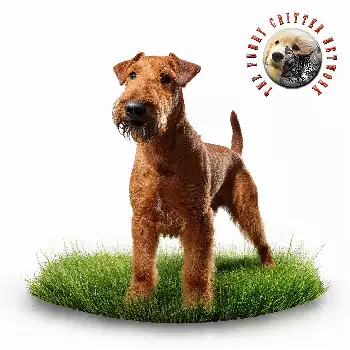

The Irish Terrier's adolescent period spans roughly from three months to about eighteen months of age, during which the puppy undergoes a remarkable physical transformation. Growth is most rapid between three and eight months, with the dog gaining height, length, and muscle mass at a pace that can seem almost daily. By six months, most Irish Terriers have reached a significant portion of their adult height, though they will continue to fill out and develop muscle definition well into their second year.
The breed's distinctive wiry coat begins to change during adolescence. The soft puppy fur gradually gives way to the dense, broken-textured adult coat that Irish Terriers are known for. This transition can create an uneven, somewhat scruffy appearance that is perfectly normal. Hand-stripping, the traditional grooming method for wire-coated terriers, can be introduced during this period to encourage proper coat texture and growth patterns. Starting this process early helps the young dog acclimate to the handling involved.
Physical proportions may seem awkward at times during the juvenile months. Legs may appear too long for the body, ears may seem oversized, and coordination can be inconsistent. This is entirely normal for a growing terrier and resolves naturally as the dog matures. Monitoring growth through regular weight checks and body condition assessments ensures the young Irish Terrier is developing at a healthy rate without becoming overweight, which can place undue stress on developing joints and bones.
Teething is a significant event during the juvenile period, typically occurring between four and seven months of age. As baby teeth are replaced by permanent adult teeth, puppies experience discomfort that drives an intense need to chew. Providing appropriate, durable chew toys protects household belongings and gives the puppy a constructive outlet. Check the mouth periodically to ensure deciduous teeth are falling out properly and not being retained alongside incoming permanent teeth, which may require veterinary attention.