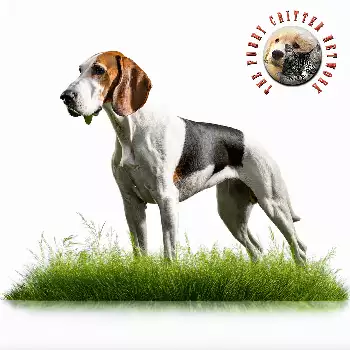

Growth & Physical Development

The English Foxhound enters its juvenile phase at roughly eight weeks of age and continues through physical maturity, which for this large, athletic breed typically occurs between fourteen and eighteen months. During this period, puppies undergo dramatic changes in size, proportion, and muscular development. Growth is rapid in the first six months, with most English Foxhounds reaching about two-thirds of their adult weight by that point before the rate gradually tapers.

Bone development in large breeds like the English Foxhound requires careful attention. The growth plates in the long bones remain open well into the first year, making the skeletal system vulnerable to injury from excessive impact or repetitive stress. Avoid high-impact activities such as prolonged running on hard surfaces, jumping from heights, or forced exercise alongside bicycles until your veterinarian confirms that the growth plates have closed.

You may notice that your English Foxhound goes through awkward physical stages during adolescence. Legs may appear disproportionately long relative to the body, ears may seem oversized, and the overall silhouette may look gangly. This is entirely normal and temporary. The breed's characteristic balanced, athletic frame fills in as muscle mass develops and the skeletal structure reaches its final proportions.

Regular veterinary checkups every three to four months during the growth phase allow your veterinarian to monitor developmental progress, adjust nutritional recommendations, and catch any orthopedic concerns early. Tracking your puppy's weight and body condition score at home between visits provides useful data points for these conversations.

Nutrition & Diet Transition

Feeding a growing English Foxhound correctly is one of the most impactful decisions you will make during the juvenile period. A high-quality large-breed puppy food formulated to support steady, controlled growth is the foundation. These formulas are designed with calibrated calcium-to-phosphorus ratios and moderate caloric density to promote strong skeletal development without encouraging the excessively rapid growth that can contribute to joint problems.

Most English Foxhound puppies do well on three meals per day from eight weeks through about six months of age, transitioning to two meals per day thereafter. Free-feeding, where food is left out at all times, is not recommended for this breed. English Foxhounds are enthusiastic eaters with strong appetites, and unrestricted access to food can lead to overconsumption and unhealthy weight gain that places unnecessary stress on developing joints.

The transition from puppy food to adult food typically occurs between twelve and eighteen months, depending on the individual dog's growth trajectory and your veterinarian's guidance. When making the switch, do so gradually over seven to ten days by mixing increasing proportions of the new food with decreasing amounts of the old. Abrupt dietary changes can cause gastrointestinal upset including diarrhea and vomiting.

Treats should comprise no more than ten percent of your dog's daily caloric intake. During the training-intensive adolescent period, it can be tempting to rely heavily on food rewards. Choose small, low-calorie training treats and account for them in the overall daily ration. Fresh water should be available at all times, and food and water bowls should be cleaned daily to prevent bacterial buildup.

Behavioral Changes

Adolescence brings a surge of independence and boundary-testing behavior in English Foxhounds. A puppy that reliably responded to commands at ten weeks may suddenly seem to have forgotten everything it learned. This is a normal developmental phase driven by hormonal changes and increasing cognitive complexity, not a sign of defiance or a failed training program.

English Foxhounds are scent hounds to their core, and during adolescence, their nose-driven instincts intensify dramatically. A juvenile Foxhound that catches an interesting scent may become completely absorbed in tracking it, seemingly deaf to your calls. This single-minded focus on scent is a breed characteristic that requires management and patience rather than punishment. Understanding that this behavior is deeply hardwired helps frame your training approach.

Social dynamics also shift during this period. Adolescent English Foxhounds may begin testing their position within the household hierarchy, showing increased assertiveness with other pets or pushback against established routines. Some dogs develop selective hearing, resource guarding tendencies, or mild reactivity during this phase. Consistent, calm leadership and the maintenance of predictable household rules provide the structure that helps adolescent Foxhounds navigate these changes.

Chewing, digging, and vocalization often peak during the juvenile period as well. English Foxhounds are known for their melodious bay, and adolescent dogs may discover and practice this vocal talent with enthusiasm. Providing ample physical and mental outlets helps channel these natural behaviors constructively and reduces the likelihood of destructive habits taking root.

Training Priorities

Training an adolescent English Foxhound requires a thoughtful approach that respects the breed's independent nature while building reliable responses. Positive reinforcement methods work best with this breed. English Foxhounds are sensitive dogs that respond poorly to harsh corrections, which can damage trust and make the dog less willing to engage in training exercises.

Recall is arguably the single most important skill to develop and maintain during the juvenile period. Given the English Foxhound's powerful scent drive, a rock-solid recall can be the difference between a safe outing and a dangerous situation. Practice recall in progressively more distracting environments, starting indoors and gradually working toward outdoor settings. Use high-value rewards and keep the tone enthusiastic. Until recall is truly reliable, always exercise your English Foxhound in securely fenced areas or on a long line.

Leash manners deserve dedicated attention as well. An adult English Foxhound is a strong, determined dog, and allowing pulling habits to develop during adolescence creates a challenging situation that only becomes harder to correct as the dog gains size and strength. Consistent leash training using reward-based methods teaches the dog that walking calmly beside you is more rewarding than lunging ahead.

Basic obedience commands such as sit, down, stay, and leave it provide a communication framework that benefits every aspect of daily life. Keep training sessions short, engaging, and varied. English Foxhounds bore quickly with repetitive drills, so incorporating games, scent-based challenges, and novel exercises maintains their interest and builds a positive association with learning.

Exercise & Activity

English Foxhounds are high-energy dogs bred for sustained physical effort over long distances, and their exercise needs during adolescence are substantial. However, the type and intensity of exercise must be carefully managed to protect developing bones and joints. The general guideline of five minutes of structured exercise per month of age, twice daily, provides a reasonable starting framework, though individual dogs may need adjustments based on their energy level and physical development.

Unstructured play in a safely enclosed yard or garden is an excellent complement to structured walks. Allowing the puppy to set its own pace during free play reduces the risk of overexertion compared to forced exercise. Play sessions with appropriately matched canine companions also provide valuable physical and social outlets. Avoid dog parks with unpredictable dogs until your Foxhound has solid social skills and reliable recall.

Mental stimulation is just as important as physical exercise for this intelligent breed. Scent work games, puzzle feeders, and hide-and-seek exercises tap into the English Foxhound's natural abilities and provide satisfying mental challenges. A tired mind is just as effective as a tired body in producing a calm, contented household companion.

As the dog approaches physical maturity, gradually increase the duration and intensity of exercise. Trail walks, hiking on varied terrain, and extended off-leash runs in safe areas can be introduced once your veterinarian confirms that the growth plates have closed. Building a foundation of fitness during adolescence sets the stage for a lifetime of shared outdoor adventures with this athletic breed.

Spay/Neuter Considerations

The decision of whether and when to spay or neuter an English Foxhound is an important one that should be made in consultation with your veterinarian. Current research suggests that the timing of sterilization in large breeds can influence orthopedic health, cancer risk, and behavior, and the optimal approach may differ from the traditional recommendation of altering before six months of age.

For large breeds like the English Foxhound, some veterinary professionals now recommend delaying spay or neuter surgery until the dog has reached skeletal maturity, typically between twelve and eighteen months. The reasoning is that sex hormones play a role in signaling growth plate closure, and early removal of these hormones may result in altered bone length and joint angles that could increase the risk of certain orthopedic conditions.

Behavioral factors also enter the equation. Intact adolescent males may display increased roaming behavior, urine marking, and inter-dog aggression, while intact females will experience heat cycles that require careful management. These considerations must be weighed against the potential orthopedic and oncological benefits of delayed sterilization.

There is no single correct answer that applies to every English Foxhound. Your veterinarian can help you evaluate the specific factors relevant to your dog, including its health history, living situation, and whether it will be in proximity to intact dogs of the opposite sex. Whatever the timing, the surgical procedure itself is routine and recovery is typically straightforward with appropriate postoperative care.

Socialization & Exposure

Continued socialization during the juvenile and adolescent period is essential for producing a confident, well-mannered English Foxhound. While the primary socialization window closes around twelve to fourteen weeks of age, the experiences your dog has during the following months reinforce and expand upon those early lessons. A Foxhound that stops encountering new situations after puppyhood may become cautious or reactive in unfamiliar environments.

Expose your adolescent English Foxhound to a wide variety of people, including individuals wearing hats, sunglasses, uniforms, and using mobility aids. Introduce different environments such as pet-friendly stores, outdoor cafes, busy sidewalks, and rural trails. Each new experience should be paired with positive outcomes like treats, praise, or play to build favorable associations.

Given the English Foxhound's pack heritage, opportunities to interact with other well-socialized dogs are particularly valuable. Structured playgroups, training classes, and supervised introductions to dogs of different sizes and temperaments help your Foxhound develop appropriate canine communication skills. Watch for signs of stress or discomfort, including tucked tail, lip licking, yawning, and avoidance, and remove your dog from any interaction that is becoming overwhelming.

Exposure to common stimuli that the dog will encounter throughout its life should be part of the ongoing socialization plan. Car rides, grooming procedures, veterinary handling, loud noises like thunderstorms and fireworks, and encounters with other animals all benefit from deliberate, positive practice during the adolescent months. The investment in broad socialization during this period pays lifelong dividends in the form of a relaxed, adaptable companion.

Always consult a qualified professional before making any health-related decisions. This content is provided for informational reference only and should not replace professional guidance specific to your animal.