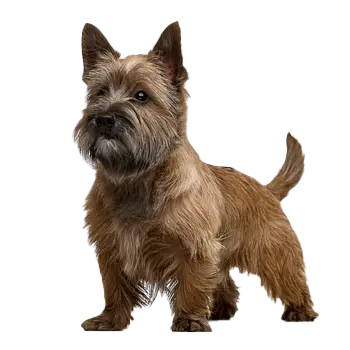

Growth & Physical Development

Cairn Terriers transition from puppyhood into adolescence between roughly three and six months of age, and this period brings rapid physical changes. During these months the skeletal structure is lengthening, muscle mass is increasing, and the characteristic wiry double coat begins to fill in. Most Cairns reach close to their adult height by nine or ten months, though they continue to fill out and develop chest depth well into their first year.

Weight gain during the juvenile stage should be steady but not excessive. A healthy adolescent Cairn Terrier typically weighs between eight and twelve pounds by six months, trending toward the breed's adult range of thirteen to fourteen pounds. Monitoring body condition is more important than fixating on a number on the scale. You should be able to feel the ribs with light pressure but not see them prominently. An overly round puppy is carrying unnecessary weight that stresses developing joints.

Teething is a major physical event during this period. The milk teeth begin falling out around four months and are gradually replaced by the full set of 42 adult teeth over the following two to three months. Provide a variety of safe chew toys to ease the discomfort and protect your furniture and shoes. Inspect the mouth periodically to confirm that baby teeth are falling out properly, as retained deciduous teeth can cause crowding and alignment issues that may require veterinary attention.

Cairn Terriers are a naturally compact and sturdy breed, and the adolescent body should reflect that emerging solidity. If you notice limping, uneven gait, or reluctance to use a limb, have your veterinarian evaluate for any orthopedic issues. While Cairns are not as prone to developmental bone disorders as larger breeds, patellar luxation can occasionally appear during this growth phase.

Nutrition & Diet Transition

Feeding a juvenile Cairn Terrier correctly requires balancing the high caloric demands of growth with the need to maintain a lean body condition. Most Cairn puppies are fully weaned and eating solid food by six to eight weeks. During the juvenile phase, a high-quality puppy food formulated for small breeds provides the appropriate ratio of protein, fat, calcium, and phosphorus to support healthy development without promoting overly rapid growth.

Three meals per day is the standard feeding frequency from weaning through about six months of age. After six months, most Cairn Terrier owners transition to two meals per day, which remains the recommended schedule through adulthood. Consistent meal times help regulate digestion and make house training more predictable, as elimination patterns tend to follow feeding schedules.

The transition from puppy food to adult food typically occurs around ten to twelve months for Cairn Terriers. When the time comes, make the switch gradually over seven to ten days by mixing increasing proportions of the new food with the old. Abrupt changes in diet commonly cause gastrointestinal upset, and Cairn Terriers can have sensitive stomachs despite their otherwise hardy constitution.

Treats are a valuable training tool during adolescence but should not exceed ten percent of the daily caloric intake. Cairn Terriers are enthusiastic eaters and will readily gain excess weight if treats are dispensed too generously. Choose small, low-calorie training treats, and consider using a portion of the daily kibble allowance as training rewards to keep total intake in check.

Behavioral Changes

Adolescence in Cairn Terriers is a period of emerging independence, and owners frequently notice a shift in behavior that can be both entertaining and exasperating. The sweet, compliant puppy may begin testing boundaries, selectively ignoring commands that were previously reliable, and displaying a stubborn streak that is quintessentially terrier. Understanding that this is a normal developmental phase rather than a permanent personality defect is essential for maintaining patience.

Cairn Terriers were originally bred to hunt vermin in the Scottish Highlands, and adolescence is when those deep-rooted instincts come into sharper focus. Digging, chasing small animals, and an intensified interest in scent trails are all normal expressions of breed heritage. Rather than attempting to suppress these drives entirely, which is both unrealistic and unfair to the dog, redirect them into acceptable outlets such as structured digging areas, fetch games, and nose work activities.

Resource guarding can occasionally surface during the juvenile stage as the puppy begins to understand the concept of ownership. If your Cairn Terrier growls over food, toys, or resting spots, address the behavior early through positive reinforcement techniques rather than punishment. Teaching the dog that surrendering an item leads to something even better builds trust and prevents the behavior from escalating into a more serious problem.

Social dynamics with other dogs also evolve during adolescence. A previously easygoing puppy may become more assertive or reactive toward unfamiliar dogs. Cairn Terriers are not typically aggressive, but they are confident and can be pushy. Continued positive exposure to well-mannered dogs of various sizes helps the adolescent Cairn learn appropriate social skills and impulse control.

Training Priorities

Training a juvenile Cairn Terrier requires an approach that respects the breed's intelligence while acknowledging its independent nature. Cairns are quick learners who bore easily with repetitive drills. Keep training sessions short, varied, and upbeat. Five to ten minutes of focused work several times a day is far more productive than a single long session that devolves into a battle of wills.

Reliable recall is arguably the most important skill to develop during adolescence, and it is also one of the most challenging with terriers. Cairn Terriers have a strong prey drive and a keen nose, both of which can override their desire to return to you when something exciting catches their attention. Practice recall in progressively more distracting environments, always rewarding enthusiastically when the dog returns. Never punish a Cairn for coming back slowly, as this teaches the dog that returning to you has negative consequences.

Leash manners deserve consistent attention during this stage. Cairn Terriers are natural pullers who want to investigate every scent and sight along the walk. Reward-based loose-leash walking techniques work well, though progress may feel slow. Patience and consistency are non-negotiable. A front-clip harness can provide mechanical assistance while you build the habit of walking politely.

Crate training, if not already established, should be solidified during the juvenile period. A crate provides a safe space for the dog and a management tool for the owner during times when supervision is impossible. Most Cairn Terriers accept the crate readily when it is introduced positively and never used as punishment. A properly crate-trained adolescent is easier to house train, safer when unsupervised, and more relaxed during travel or veterinary visits.

Exercise & Activity

Juvenile Cairn Terriers are energetic, curious, and seemingly tireless. Despite their small size, they need regular physical and mental activity to remain well-behaved and content. A good rule of thumb during adolescence is two to three moderate walks per day supplemented by play sessions, though the exact amount varies by individual energy level and temperament.

Avoid high-impact activities such as extended jogging on pavement or repetitive jumping until the growth plates have closed, which typically occurs around twelve months in small breeds. The developing skeletal system is vulnerable to repetitive stress injuries, and protecting the joints during this period pays dividends in long-term soundness. Off-leash play on soft ground, moderate hiking on trails, and swimming if the dog enjoys water are all excellent low-impact options.

Mental exercise is just as important as physical activity for this intelligent breed. Puzzle feeders, snuffle mats, and interactive toys that require problem-solving can tire a Cairn Terrier's brain in ways that a simple walk cannot. Nose work games, where the dog searches for hidden treats or a specific scent, tap directly into the breed's natural abilities and provide deeply satisfying stimulation.

Under-exercised juvenile Cairn Terriers will find their own entertainment, and their choices rarely align with their owner's preferences. Digging up the garden, barking at perceived threats, shredding household items, and general hyperactivity are all common consequences of insufficient activity. If your adolescent Cairn is exhibiting destructive behavior, the first question to ask is whether the dog is getting enough physical and mental engagement each day.

Spay/Neuter Considerations

The decision about when or whether to spay or neuter a Cairn Terrier is one that should be made in consultation with your veterinarian based on the individual dog's health, lifestyle, and your long-term plans. Opinions and recommendations on timing have evolved considerably in recent years, and there is no single answer that applies to every dog.

Traditionally, spaying and neutering were recommended at six months of age for most dogs. More recent research has explored the potential benefits of delaying the procedure until the dog has reached physical maturity, allowing the sex hormones to complete their role in skeletal development and growth plate closure. For small breeds like the Cairn Terrier, the distinction is less dramatic than for large and giant breeds, but it remains a conversation worth having with your veterinarian.

Spaying a female Cairn Terrier eliminates the heat cycle and the risk of pyometra, a potentially life-threatening uterine infection. It also significantly reduces the risk of mammary tumors when performed before the second heat cycle. Neutering a male Cairn eliminates the risk of testicular cancer and can reduce certain hormone-driven behaviors such as roaming and urine marking, though it is not a universal fix for behavioral issues.

If you choose to delay the procedure or keep your Cairn Terrier intact, responsible management is essential. Intact females must be carefully managed during heat cycles to prevent unwanted breeding, and intact males require secure fencing and leash control to prevent roaming. Discuss your specific situation with your veterinarian to arrive at the timing and approach that best serves your dog's health and your household.

Socialization & Exposure

The socialization window that opened during the neonatal period continues with heightened importance through the juvenile and adolescent stages. Cairn Terriers are naturally confident dogs, but confidence without exposure can manifest as reactivity or wariness toward unfamiliar situations. The goal of socialization is to build a dog that takes new experiences in stride, and the juvenile period is when the most meaningful progress occurs.

Expose your adolescent Cairn Terrier to a wide variety of people, including individuals wearing hats, sunglasses, uniforms, and using mobility aids. Introduce different environments such as pet-friendly stores, outdoor markets, parks, and urban streets. Each new experience should be presented at a pace the dog can handle, always pairing the novel stimulus with positive outcomes like treats and calm praise.

Interaction with other dogs is a critical component of socialization, but quality matters far more than quantity. A single negative encounter with an aggressive or poorly socialized dog can set your Cairn Terrier's progress back significantly. Choose playmates carefully, favor supervised small-group interactions over chaotic dog park free-for-alls, and intervene promptly if play becomes too rough or one-sided.

Sound desensitization is particularly valuable for Cairn Terriers, as their alert nature means they are keenly attuned to auditory stimuli. Introduce recordings of thunderstorms, fireworks, traffic, and household appliances at low volume during positive activities such as mealtime or play, gradually increasing the volume over days and weeks. This systematic approach helps prevent noise phobias that can be difficult to resolve once established in adulthood.

Always consult a qualified professional before making any health-related decisions. This content is provided for informational reference only and should not replace professional guidance specific to your animal.