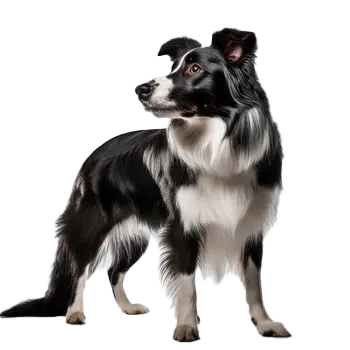

Growth & Physical Development

Border Collies undergo a remarkable physical transformation between three and twelve months of age. During this juvenile period, the gangly, oversized-paw puppy gradually takes on the athletic proportions the breed is known for. Most Border Collies reach approximately 75 percent of their adult height by six months and continue filling out in muscle and body mass through their first year and slightly beyond.

Growth rates vary between individual dogs and between males and females. Males typically reach 19 to 22 inches at the shoulder and 30 to 55 pounds at maturity, while females tend to be slightly smaller. Growth plates in the long bones remain open during this period, making the skeletal system vulnerable to damage from excessive impact or forced exercise. Monitoring growth through regular weigh-ins and body condition assessments helps ensure the puppy is developing at a healthy pace.

The coat also undergoes significant changes during adolescence. Border Collies may be rough-coated or smooth-coated, and the adult coat begins to come in more fully around six to eight months. The texture and density of the undercoat increase, and some puppies go through an awkward shedding phase as their puppy coat is replaced. Regular brushing during this transition helps manage loose hair and keeps the skin healthy.

Teething is another hallmark of this stage. By four to six months, the baby teeth are replaced by permanent adult teeth, and the puppy's chewing drive intensifies. Providing appropriate chew items helps protect furniture and belongings while supporting healthy jaw development and relieving teething discomfort.

Nutrition & Diet Transition

Feeding a juvenile Border Collie correctly is a balancing act between supporting rapid growth and avoiding the pitfalls of overnutrition. A high-quality puppy food formulated for medium-sized breeds provides the appropriate ratio of protein, fat, calcium, and phosphorus to support healthy bone and muscle development without accelerating growth beyond what the skeleton can safely handle.

Most Border Collie puppies eat three meals per day from weaning through about four months of age, transitioning to two meals per day thereafter. The total daily quantity should follow the food manufacturer's guidelines as a starting point, adjusted based on the individual puppy's body condition. A healthy juvenile Border Collie should have a visible waist when viewed from above and ribs that can be felt without pressing through a thick layer of fat.

The transition from puppy food to adult food typically occurs between 12 and 18 months, depending on the individual dog's growth trajectory. This switch should be gradual, spanning seven to ten days, with increasing proportions of adult food mixed into the puppy ration. An abrupt change can cause digestive upset, including diarrhea, gas, and decreased appetite.

Treats are an important training tool for Border Collies, but they should constitute no more than ten percent of the daily caloric intake. Training treats should be small, soft, and quickly consumed so they do not interrupt the flow of a training session. Fresh water should be available at all times, and food bowls should be washed daily to prevent bacterial buildup.

Behavioral Changes

Adolescence in Border Collies is often described as the most challenging behavioral period for owners. The breed's extraordinary intelligence, combined with the hormonal and neurological changes of puberty, can produce a dog that seems to have forgotten every lesson it ever learned. This is a normal developmental phase, not a sign of a flawed dog or failed training.

Between four and eight months, many Border Collies enter a fear period during which previously neutral stimuli may suddenly provoke anxiety or wariness. A puppy that walked past a trash can every day without concern may suddenly refuse to approach it. These episodes require patience and gentle, positive exposure rather than forcing the dog to confront the source of fear. Pushing through fear periods harshly can create lasting phobias in this sensitive breed.

Herding instincts often emerge with increasing intensity during the juvenile stage. Border Collie adolescents may begin nipping at the heels of children, chasing joggers or cyclists, and attempting to control the movement of other household pets. These behaviors stem from deeply ingrained genetic drives and need to be redirected through training and structured outlets rather than simply suppressed through punishment.

Resource guarding, selective listening, and testing boundaries are also common during this period. The adolescent Border Collie is learning where it fits in the household hierarchy and will experiment with behaviors to gauge the response. Consistent, fair boundaries delivered with patience are essential. Owners who remain calm and predictable through the turbulence of adolescence are rewarded with a trusting, cooperative adult dog.

Training Priorities

Training a juvenile Border Collie is both a privilege and a commitment. This breed's capacity for learning is virtually unmatched in the canine world, but that intelligence demands engagement, consistency, and creativity from the handler. A bored Border Collie will find its own entertainment, and the results are rarely what the owner had in mind.

Foundational obedience commands including sit, down, stay, come, and loose-leash walking should be practiced daily in short, focused sessions of five to fifteen minutes. Border Collies respond exceptionally well to positive reinforcement methods, and many thrive with clicker training. The timing of the reward is critical with this breed, as they are quick to identify patterns and will learn precisely what earns the click and treat.

Recall is arguably the most important command for a Border Collie and should be practiced relentlessly in gradually increasing levels of distraction. Given their speed and prey drive, a reliable recall can be genuinely lifesaving. Building recall through high-value rewards and making returning to the handler the most rewarding option in any scenario creates a strong foundation that holds under pressure.

Mental stimulation should be woven into every day. Puzzle toys, scent games, shaping exercises, and the introduction of basic agility or herding concepts give the adolescent Border Collie appropriate outlets for its drive. A juvenile Border Collie that receives only physical exercise without mental challenge will often develop anxious or destructive behaviors, because the body is tired but the mind is still racing.

Exercise & Activity

Exercise is a defining need for the Border Collie at every life stage, but the juvenile period requires careful moderation to protect developing joints and bones. While it may be tempting to exhaust a hyperactive adolescent through long runs or repetitive fetch sessions, excessive high-impact exercise during the growth period can cause lasting orthopedic damage, particularly to the hips, elbows, and stifles.

A general guideline is five minutes of structured exercise per month of age, twice daily. A four-month-old puppy would receive about 20 minutes of walking or structured play per session. Free play on soft surfaces, where the puppy controls its own intensity, is generally safe and beneficial. Hard surfaces, forced running alongside a bicycle, and repetitive jumping should be avoided until the growth plates have closed, which a veterinarian can confirm through examination.

Swimming, when introduced gradually and safely, is an excellent low-impact exercise option for growing Border Collies. It builds cardiovascular fitness and muscle tone without stressing the joints. Not all puppies take to water immediately, and positive, pressure-free introduction is key. A life vest designed for dogs adds a margin of safety during early swimming sessions.

Beyond physical exercise, the adolescent Border Collie benefits enormously from activities that combine physical movement with mental engagement. Structured games of hide and seek, obstacle courses built from household items, and introductory herding lessons provide the type of comprehensive stimulation that this breed craves. The goal is a puppy that is pleasantly tired in both body and mind at the end of the day.

Spay/Neuter Considerations

The decision of when or whether to spay or neuter a Border Collie is one that should be made in consultation with a veterinarian who knows the individual dog. Current research has complicated the once-standard recommendation of early spaying or neutering, particularly for medium and large breeds where hormonal influence on skeletal development is significant.

Some studies suggest that allowing a Border Collie to reach skeletal maturity before altering may reduce the risk of certain orthopedic conditions, including cranial cruciate ligament tears and hip dysplasia. Other research points to potential cancer risks associated with intact status in some breeds. The evidence is nuanced and continues to evolve, making a one-size-fits-all recommendation inappropriate.

Behavioral considerations also factor into the timing decision. Intact males may develop marking behaviors, roaming tendencies, and inter-dog aggression as testosterone levels rise during adolescence. Intact females will experience heat cycles approximately twice per year, requiring management to prevent unwanted pregnancy and dealing with the associated behavioral and physiological changes.

Whatever the decision, it is the owner's responsibility to prevent unplanned breeding. An intact Border Collie requires vigilant management, particularly during the female's heat cycle when both males and females become highly motivated to find mating opportunities. Responsible ownership means ensuring that no accidental litters contribute to the already significant population of dogs in need of homes.

Socialization & Exposure

The socialization window for dogs begins to narrow after approximately 14 weeks of age, but the work of socialization is far from over during the juvenile period. Continued, positive exposure to a broad range of people, animals, environments, and experiences builds the confident, adaptable adult Border Collie that the breed is capable of becoming.

Adolescent Border Collies should experience a variety of surfaces including grass, gravel, metal grates, wet pavement, and sand. They should hear thunderstorms, fireworks, sirens, and crowds. They should meet people of different ages, appearances, and mobility levels. Every new experience should be paired with positive associations through treats, praise, or play, allowing the puppy to process the novelty at its own pace.

Structured socialization classes and puppy playgroups provide controlled environments for practicing dog-to-dog interaction skills. It is important that these settings are well-supervised and that play styles are appropriately matched. A shy Border Collie puppy should not be overwhelmed by a boisterous, much larger playmate, and a puppy showing bullying behavior should be calmly interrupted and redirected.

Car rides, trips to dog-friendly stores, visits to friends' homes, and walks in varied neighborhoods all contribute to a well-rounded socialization portfolio. The juvenile Border Collie that has been thoughtfully exposed to the complexity of the human world is far better equipped to navigate it with confidence and composure throughout its life. Gaps in socialization during this critical period can manifest as fear, reactivity, or anxiety that is far more difficult to address in adulthood.

Always consult a qualified professional before making any health-related decisions. This content is provided for informational reference only and should not replace professional guidance specific to your animal.