
Fell Pony Breed Guide - Furry Critter Network

Fell Pony

Quick Facts

🔬 Scientific Name
Equus ferus caballus
📋 Breed Registry
Fell Pony Society (UK), Fell Pony Society of North America (FPSNA)
📊 Care Level
Beginner
😊 Temperament
Calm
📏 Height
13-14 hands (maximum 14 hands)
⏱️ Lifespan
25-30+ years
⚖️ Weight
950-1,200 lbs
🎨 Coat Colors
Black (predominant), Brown, Bay, Gray
🍽️ Diet Type
Herbivore
🌍 Origin
Cumbria (Lake District), England
📐 Size
Medium

Fell Pony - Names & Recognition

The Fell Pony takes its name from the "fells," derived from the Old Norse word for hill or mountain, describing the terrain where these ponies developed over centuries. The fells of Cumbria—encompassing the old counties of Cumberland and Westmorland in the Lake District region of northwest England—shaped the breed through natural selection on rugged, challenging terrain.

The Fell Pony Society, established in 1922, maintains the breed registry and preserves the type that developed naturally on Cumbrian fells. The society's founding purpose was "to keep pure the old breed of pony that has roamed the northern hills for years," explicitly rejecting "improvement" in favor of preservation. Annual stud books document registered ponies, with all Fell Ponies traced through the society's records.

The Fell Pony Society of North America (FPSNA) functions as a registered overseas branch of the UK society, maintaining records and promoting the breed in North America. All North American Fells register through both the FPSNA and the parent UK society, ensuring consistent standards across the international population.

The breed shares historical origins with the Dales Pony, with both breeds descending from the same prehistoric pony type and the now-extinct Galloway. The Fell developed on the western slopes of the Pennines while the Dales developed on the eastern slopes. Despite their common ancestry, the breeds diverged, with Dales becoming larger (up to 14.2 hands) while Fells maintained the 14-hand maximum and somewhat lighter build.

Historically, the breed has been associated with British royalty, with Queen Elizabeth II serving as patron of the Fell Pony Society. The late Queen bred and maintained Fell Ponies at Balmoral, where they were used for both riding and driving, as well as traditional work carrying deer and grouse panniers from the moors.

Fell Pony Physical Description

The Fell Pony presents a compact, muscular build embodying the hardy working pony type developed for northern England's challenging conditions. Every aspect of Fell conformation reflects functional adaptation for the varied work these ponies performed, from carrying heavy pack loads to providing comfortable transportation across rough terrain.

Height is limited to a maximum of 14 hands, with average ponies standing approximately 13.2 hands. This modest stature belies their substantial strength and weight-carrying ability. Despite being categorized as ponies, Fells commonly require hunter-sized tack, demonstrating the substance underlying their compact appearance.

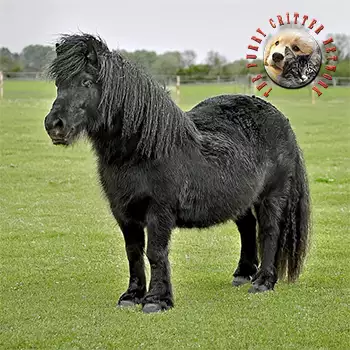
The head should be neat and pony-like with a fairly long neck providing comfortable length of rein for riders. Large or coarse heads are discouraged in the breed standard. Ears are small and well-placed, and the expression conveys the intelligence and alertness characteristic of the breed. The throat is clean cut, avoiding the heaviness that would be considered coarse.

The neck leads to well-laid shoulders enabling free foreleg movement and comfortable riding gaits. Good shoulders are essential for the breed's noted riding comfort and were historically necessary for efficient pack carrying. Withers have appropriate definition without excessive prominence.

The body demonstrates the depth and substance that enabled Fell Ponies to carry 240-pound pack loads over challenging terrain. Well-sprung ribs provide heart and lung room while the loin is strong. The quarters are muscular and powerful, generating the drive for the breed's ground-covering movement and surprising speed when asked.

Legs show the quality bone essential for soundness under demanding work. Strong, well-let-down hocks provide powerful drive from behind. Pasterns slope moderately, contributing to the comfortable gaits for which Fells are known. Hooves display the characteristic blue horn, hard and open with sound structure developed on rocky terrain.

The silky feather extending from below the knee down to the fetlock represents a breed characteristic requiring appropriate maintenance. Unlike the coarser feather of some draft breeds, Fell feathering should be fine and straight. The long, thick mane and tail complete the traditional appearance.

Black predominates among Fell colors, having become dominant over the past several decades. In early stud books, brown ponies were most common, but black now characterizes the breed visually. Brown, bay, and gray also occur and are fully acceptable. White markings are limited to small stars and white on hind pasterns below the fetlock.

Riding Suitability
Fell Ponies make ideal family ponies, capable of carrying children or adults with equal aplomb. Despite averaging 13.2 hands, they take hunter-sized girths and carry substantial weight comfortably. Their fast, comfortable walk and sure-footedness create pleasant, safe riding across varied terrain from arena to rugged countryside.
Temperament
Fell Ponies possess calm, gentle temperaments that make them suitable for riders of all experience levels. They are intelligent, willing workers with docile dispositions and steady nerves. Their sensible natures mean they rarely spook without cause. Despite their calmness, they display personality, curiosity, and an engaging sense of fun.
Activity Level
Fells have moderate activity levels suited to their history as practical working ponies. They possess tremendous stamina and enjoy work without demanding constant intensive exercise. Their versatility means they adapt to various activity levels, from leisurely hacking to competitive driving or endurance riding.
Space Requirements
Evolved to thrive on sparse fell grazing, Fell Ponies require relatively modest space. One to two acres per pony provides adequate turnout with appropriate management. Their hardy constitutions reduce facility requirements, thriving year-round outdoors with basic shelter. Rich pastures require restricted access to prevent obesity.
Grooming Requirements
Fell Ponies feature flowing manes, tails, and feathered heels that require regular attention to prevent matting. The feathers need cleaning and drying in wet conditions to prevent skin problems. Their predominantly black coats attract dust but maintain good condition with consistent grooming.
Climate Adaptability
Developed on the harsh, rain-swept fells of northern England, Fell Ponies demonstrate exceptional hardiness in cold, wet conditions. They grow dense winter coats providing natural insulation and will live out in all weather given sufficient shelter. They adapt adequately to varied climates with appropriate management.
Health Hardiness
Fell Ponies are fundamentally hardy animals whose constitutions developed through centuries of challenging conditions. They thrive with less keep than most equines. However, the breed carries Foal Immunodeficiency Syndrome (FIS), a fatal genetic condition requiring breeding management. Genetic testing enables responsible breeding.
Feed Management
As classic easy keepers, Fell Ponies evolved for survival on sparse fell vegetation and require careful feeding management in domestic settings. Most maintain excellent condition on hay alone without grain. Rich pastures and concentrated feeds create obesity and laminitis risk for these metabolically efficient ponies.

Temperament

Fell Pony temperament reflects centuries of development as all-purpose family ponies where tractability and reliability were essential for practical work. These are not flashy, excitable animals but steady, sensible partners whose calm dispositions make them suitable for handlers of virtually all experience levels. Their temperament remains among their most valued characteristics.

Docility characterizes the breed without implying dullness or lack of personality. Fells cooperate willingly with reasonable requests, accepting handling, riding, and driving from familiar handlers with equanimity. They rarely resist appropriate management, making routine care straightforward even for inexperienced owners. This tractability enabled their historical use by farm families without specialized horse handling skills.

Intelligence appears prominently in Fell behavior, manifesting as quick learning, good memory, and genuine problem-solving ability. They assess situations independently and respond sensibly rather than reacting blindly. This intelligence made them valuable as working ponies who could navigate challenging terrain without constant direction and continues to make them engaging partners for modern owners.

Steady nerves distinguish Fells from more reactive breeds, with most individuals displaying calmness in situations that would disturb more sensitive ponies. They are notably less spooky than many breeds, evaluating potential threats sensibly rather than fleeing first. This steadiness made them reliable for pack work where explosive reactions could be dangerous and continues to make them safe mounts today.

The breed's personality includes curiosity, playfulness, and what owners describe as a "sense of fun" that persists throughout life. Fells engage with their environments and their handlers with evident interest. Some display "cheeky" or mischievous behavior that, while occasionally testing boundaries, reflects their engaging natures rather than genuine resistance.

Work ethic remains strong in Fell Ponies, who seem genuinely satisfied by purposeful activity. Their stamina and willingness made them valuable workers historically and continues to suit them for various activities today. They approach tasks with evident willingness, maintaining effort over extended periods without the fatigue or resistance some breeds display.

Adaptability characterizes Fell behavior in new situations, with most individuals adjusting to novel circumstances without excessive stress. This quality suited them for the varied work they historically performed and continues to make them versatile partners for owners whose activities may vary. New environments, equipment, or activities typically cause minimal concern for properly introduced Fells.

Social behavior follows typical equine patterns, with Fells forming bonds with herd members and preferring company to isolation. They integrate well into mixed groups and generally avoid conflict. With humans, they display appropriate interest and affection without excessive dependence, developing relationships that reward regular interaction.

Facilities & Management

Housing Fell Ponies requires minimal infrastructure given their hardy constitutions and adaptation to outdoor living. These ponies evolved on exposed fells where shelter meant finding a valley or windbreak, and modern domestic Fells retain their ancestors' ability to thrive with basic provisions. Management should respect their hardy nature while meeting genuine needs.

Shelter requirements are modest for Fell Ponies, whose dense coats and hardy constitutions provide substantial natural protection. Access to natural windbreaks or simple run-in shelters satisfies most ponies' needs in all but extreme conditions. Enclosed stabling, while acceptable, is unnecessary for healthy Fells and may actually create respiratory problems by limiting air circulation.

Fencing must contain sturdy ponies who, while not typically escape artists, will find and utilize weaknesses. Standard post-and-rail or wire mesh fencing works effectively. Height requirements are modest given their limited stature, but security matters more than aesthetics. Gates should resist the investigation of intelligent ponies.

Pasture space of one to two acres per pony provides adequate grazing with appropriate management. However, the easy-keeping nature of Fells means pasture must often be restricted rather than expanded. These ponies maintain condition on grazing that would leave other breeds thin, and unrestricted access to rich pasture creates obesity rather than optimal condition.

Feathered leg management requires attention in facilities and turnout areas. Wet, muddy conditions trapped against skin beneath feathering create conditions for infection. Dry footing in heavy-use areas, good pasture drainage, and attention to leg hygiene after wet exposure prevent most problems. Some owners clip feathers for easier management, though this removes a breed characteristic.

Water must be constantly available despite Fells' reputation for hardiness. Their ability to survive challenging conditions shouldn't translate to deprivation of basic necessities. Water provision in freezing conditions requires attention, as Fells living outdoors in winter need unfrozen water sources.

Herd housing suits the breed's social nature, with compatible groups sharing space and companionship. Fells integrate well with other equines and generally establish stable herd relationships without excessive conflict. Single housing should include visual and ideally physical contact with other equines.

Traditional fell management, where breeding ponies live semi-wild on open moorland, continues among some breeders who value maintaining the type that develops under natural conditions. These ponies require minimal intervention but regular monitoring to ensure welfare. Most modern Fells live in more conventional domestic situations while retaining their hardy characteristics.

Feeding & Nutrition

Fell Pony nutrition centers on managing the breed's remarkable metabolic efficiency, developed through centuries of survival on sparse fell grazing. These ponies extract maximum nutrition from minimal feed, an advantage on challenging terrain that becomes a management challenge in domestic settings with abundant resources. Preventing obesity requires discipline that contradicts typical horse-keeping instincts.

Forage requirements differ fundamentally from most equines due to Fells' efficient metabolisms. Quality grass hay meets nutritional needs for most ponies at maintenance without additional feeding. The breed standard's reference to requiring "less keep than most horses and ponies" reflects genuine metabolic efficiency that must guide feeding decisions.

Pasture management often requires restriction rather than provision for Fell Ponies. Track systems, strip grazing, or limited turnout hours prevent unrestricted access to grazing that would create obesity. Grazing muzzles enable turnout while limiting intake. Spring grass with high sugar content poses particular laminitis risk and may require complete exclusion for susceptible individuals.

Grain and concentrated feeds are unnecessary and potentially harmful for most Fell Ponies. Their efficient metabolisms don't require supplemental energy, and concentrated calories simply create fat accumulation. Working ponies may occasionally need modest supplementation during periods of heavy demand, but this should be approached cautiously with attention to condition.

Hay quality selection should emphasize mature grass hay with lower nutritional density rather than rich, leafy hay that concentrates calories. First-cutting hay with higher stem content provides more chewing time per calorie. Legume hays including alfalfa typically provide excessive nutrition for easy keepers.

Mineral and vitamin supplementation ensures nutritional completeness when restricted diets limit variety. Low-calorie supplements designed for easy keepers provide necessary nutrients without significant calorie contribution. Salt should be available free-choice.

Body condition monitoring guides feeding adjustments throughout the year. Fells should maintain body condition scores around 5, with ribs easily palpable but not prominently visible. Their dense winter coats can hide weight changes, making hands-on assessment essential. Seasonal variations in pasture quality require corresponding feeding adjustments.

Water consumption follows standard equine patterns for ponies of their size. Fresh, clean water should be constantly available regardless of the breed's hardy reputation. Winter water provision requires ensuring access remains unfrozen.

Fell Pony Health & Lifespan

Fell Ponies possess the fundamental hardiness characteristic of British native breeds, with constitutions developed through centuries of challenging conditions requiring minimal human intervention. They typically require less veterinary care than more delicate breeds. However, the breed carries Foal Immunodeficiency Syndrome, a fatal genetic condition that requires informed breeding management.

With appropriate attention to their easy-keeping nature and the FIS genetic consideration, Fell Ponies typically enjoy long, healthy lives with minimal veterinary intervention. Their natural hardiness, combined with informed management of breed-specific concerns, produces ponies capable of active service well into their twenties. The breed's small population makes each healthy individual valuable for both conservation and the community that values these remarkable ponies.

Common Health Issues

  • Foal Immunodeficiency Syndrome - FIS, , formerly called Fell Pony Syndrome, is an inherited condition causing immune system failure in affected foals. Foals inheriting the gene from both parents appear normal at birth but develop infections and anemia within weeks, dying by approximately three months. Genetic testing identifies carriers, enabling responsible breeding.
  • Laminitis threatens Fell Ponies as it does all easy-keeping breeds - Particularly when dietary management fails to prevent obesity or during high-risk periods like spring grass flush. Prevention through strict dietary management is essential, as treatment options remain limited once damage occurs.
  • Obesity represents the most common management-related health problem - As Fells' efficient metabolisms readily store excess calories. The obesity itself creates secondary problems including laminitis risk, joint stress, and reduced athletic capability.
  • Feather-related skin conditions including mud fever and scratches may develop when moisture and debris remain trapped in leg feathering. Regular cleaning - Thorough drying, and good footing prevent most cases.
  • Equine Metabolic Syndrome - EMS, may affect Fell Ponies allowed to become obese, creating insulin dysregulation that increases laminitis risk. Dietary management maintaining appropriate weight prevents most cases.
  • Cushing's disease - PPID, may develop in aging Fells as in all horses, affecting hormone regulation and increasing laminitis susceptibility. Early detection through testing enables management that improves quality of life.

Preventive Care & Health Monitoring

  • Genetic testing for FIS should precede any breeding decisions - With both potential parents tested to ensure carriers are only bred to clear individuals. This simple management prevents affected foals while allowing carriers to contribute to the breed when bred responsibly.
  • Weight management through dietary control prevents obesity and its secondary health consequences - Regular body condition scoring and weight monitoring guide feeding adjustments maintaining appropriate condition.
  • Annual veterinary examinations catch developing problems early and ensure appropriate vaccinations and parasite management - The breed's general hardiness should not substitute for routine professional care.
  • Hoof care every 6-8 weeks maintains the sound feet characteristic of the breed. Many Fells remain barefoot successfully - But professional trimming ensures proper balance regardless of shoeing decisions.

Training & Handling

Training Fell Ponies capitalizes on their willing temperaments and quick intelligence, producing versatile partners suitable for virtually any activity within their physical capabilities. The breed's history as all-purpose working ponies means they adapt readily to varied demands. Their tractability makes training straightforward for handlers of various experience levels.

Ground training establishes fundamentals including leading, standing for handling, and acceptance of routine care. Fell Ponies typically accept these basics readily, displaying the cooperation for which the breed is known. Their intelligence facilitates learning when handlers provide clear, consistent instruction. Ground training proceeds smoothly in most cases.

Ridden training builds on the breed's natural balance and comfortable gaits. Young Fells accept weight and learn basic responses without the drama some breeds create. Their sensible temperaments mean training incidents are rare when handlers proceed appropriately. The fast, comfortable walk and smooth trot that characterized working Fells develop readily under training.

Driving training suits Fell Ponies exceptionally well, connecting with their heritage as harness ponies. They learn to accept harness, respond to driving aids, and work in singles, pairs, or teams with evident willingness. The rise of recreational driving has provided renewed purpose for Fells' traditional capabilities. Matched pairs are easy to find since the breed reproduces true to type.

Versatility training develops the breed's natural adaptability across various disciplines. Fells succeed in dressage, where their natural carriage and willing responsiveness serve them well. They jump reliably if not spectacularly, making them suitable for local shows and Pony Club events. Endurance riding capitalizes on their legendary stamina. TREC competition suits their problem-solving abilities and varied skills.

Trail and trekking work represents a natural application for ponies evolved on rough terrain. Their sure-footedness, steady nerves, and comfortable gaits create ideal trail mounts. Trekking centers value Fells for their ability to carry varied riders safely across challenging ground while remaining manageable for inexperienced handlers.

Advanced training in any discipline builds on the solid foundation of basic work. Fells' willingness to continue learning throughout life enables ongoing skill development. They respond well to progressive training that challenges without overwhelming, improving steadily when expectations are appropriate.

Handler experience requirements are minimal for basic Fell Pony management, as their cooperative natures forgive mistakes that more reactive breeds would not tolerate. However, their intelligence means they recognize inconsistency and may learn to exploit it. Consistent expectations produce the best results regardless of handler experience level.

Suitability & Considerations

Fell Ponies suit a remarkably wide range of owners and purposes, from families seeking versatile all-around ponies to serious competitors and conservation-minded breeders. Their combination of size, temperament, and capability creates ponies appropriate for both children and adults across various disciplines. Few breeds offer comparable versatility.

Family pony applications showcase Fell strengths perfectly. A single pony can carry children safely while also accommodating adult riders, serve in harness for driving, and remain manageable for relatively inexperienced handlers. This versatility made Fells invaluable for farm families historically and continues to serve modern families similarly.

Driving enthusiasts find in Fells ideal harness ponies whose strength, stamina, and steady temperaments suit both pleasure driving and competition. The breed's traditional use in harness translates directly to modern driving applications. Their consistent type makes finding matched pairs or teams straightforward.

Trekking and trail centers value Fells for their sure-footed reliability, comfortable gaits, and ability to carry varied riders without difficulty. Their calm temperaments suit the nervous or inexperienced riders common in such settings. Their hardiness reduces maintenance demands in commercial operations.

Conservation breeding contributes to preserving this endangered breed. Each thoughtfully bred foal helps maintain the population and genetic diversity. Breeders maintaining semi-wild fell herds preserve the management system that developed the breed's characteristics while those in more conventional situations contribute equally important bloodlines.

Competitive applications span dressage, driving, endurance, TREC, and various other disciplines where Fells' versatility serves them well. While not elite-level specialists in any single sport, they compete credibly across multiple disciplines. Their willing attitudes and athletic capability support competitive involvement at appropriate levels.

Space-limited situations suit Fell ownership, as their hardy constitutions and modest size reduce facility requirements compared to larger or more delicate breeds. However, their easy-keeping nature requires active management preventing obesity rather than simply providing less feed. Commitment to appropriate dietary management is non-negotiable.

Financial considerations generally favor Fell ownership, as hardy ponies require minimal veterinary intervention, no concentrated feeds, and basic facilities. Purchase prices reflect quality and training rather than maintenance costs. The breed may represent excellent value for owners seeking capable, versatile ponies without high ongoing expenses.

Availability varies by location, with the largest populations remaining in northern England. North American populations are small but established, with FPSNA providing resources for locating ponies. The breed's rarity means searches may require patience and potentially travel to find appropriate individuals.