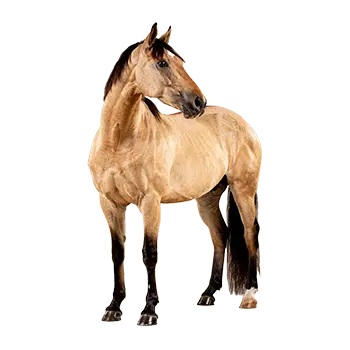

The term "buckskin" refers to a specific coat color pattern found across numerous horse breeds rather than a distinct breed itself, though color registries and breed associations focused on buckskin horses exist. The name derives from the resemblance to tanned deer hide (buckskin leather), with the golden-tan body color reminiscent of deer coloring. This connection to natural materials reflects the color's long association with horses living and working in wild or frontier conditions where the neutral, earth-toned coloring provided natural camouflage.
Two major registry organizations recognize and document buckskin-colored horses: the American Buckskin Registry Association (ABRA) founded in 1965, and the International Buckskin Horse Association (IBHA) established in 1971. These organizations register horses of qualifying buckskin, dun, red dun, and grulla colors from various breed backgrounds, maintaining pedigree records and promoting these distinctive colors. The ABRA also recognizes a distinct American Buckskin breed developed through selective breeding of buckskin-colored horses from Spanish Mustang, Quarter Horse, Thoroughbred, and Morgan bloodlines, creating a specific type alongside color registration programs.
Buckskin coloring is sometimes confused with dun, another dilution creating similar appearance, but the genetics differ significantly. Buckskin results from a single copy of the cream dilution gene acting on bay base coat, while dun results from the dun dilution gene creating primitive markings including dorsal stripe, leg barring, and shoulder bars absent in true buckskins. Genetic testing can definitively distinguish buckskin from dun when visual assessment is unclear. Understanding this distinction matters for breeding programs, as cream and dun genes can combine creating horses with multiple dilutions affecting breeding outcomes differently than single dilutions alone.