American Cream Draft Horse

American Cream Draft Horse
📸 Photo Gallery Coming Soon

Furry Critter Network Etsy Shop

Quick Facts

🔬 Scientific Name
Equus ferus caballus
🐴 Horse Type
Draft Horse
📋 Breed Registry
American Cream Draft Horse Association (ACDHA)
📊 Care Level
Intermediate
😊 Temperament
Calm
📏 Height
15-16.3 hands
⏱️ Lifespan
25-30 years
⚖️ Weight
1,500-1,800 lbs
🎨 Coat Colors
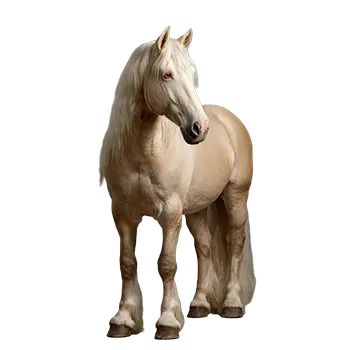
Cream with white mane and tail, amber eyes, pink skin
🍽️ Diet Type
Herbivore
🌍 Origin
United States (Iowa)
🏡 Min. Pasture Size
1-2 acres per horse
📐 Size
Extra Large

American Cream Draft Horse - Names & Recognition

The American Cream Draft is known by several names including the American Cream Draft Horse, American Cream, and occasionally Cream Draft. The breed is registered with the American Cream Draft Horse Association (ACDHA), which was established in 1944 to preserve and promote this unique American heritage breed. The breed name directly references its most distinctive characteristic - the cream-colored coat that sets it apart from all other draft horse breeds.

This breed holds the distinguished honor of being the only draft horse breed developed in the United States, making it a true piece of American agricultural history. The standardization of the breed name "American Cream Draft" reflects both its national origin and its defining physical characteristic. Unlike many draft breeds that take their names from European regions or cities, this breed's name immediately conveys its most notable feature and its American heritage.

The ACDHA maintains strict registry standards to preserve the breed's unique coloring and characteristics. Horses must meet specific color requirements including the cream coat, pink skin, amber eyes, and white mane and tail to be registered. The association works tirelessly to promote the breed, which remains critically rare with fewer than 400 registered horses worldwide. Understanding the breed's proper name and registry requirements is essential for anyone interested in owning or breeding these magnificent horses, as the ACDHA plays a crucial role in maintaining genetic diversity and breed standards for future generations.

American Cream Draft Horse Physical Description

The American Cream Draft's most striking feature is its distinctive champagne or cream-colored coat, which ranges from light to medium gold tones. This coloring is the result of the champagne gene, which dilutes the base coat color and gives the breed its signature appearance. The coat should be even in color without excessive white markings, though small white markings on the face and legs are acceptable within breed standards.

Compounding their unique appearance, American Cream Drafts possess amber-colored eyes that can range from light amber to hazel, a direct result of the champagne gene's effect on eye pigmentation. Their skin is distinctively pink, visible on their muzzles, around their eyes, and other areas with less hair coverage. This pink skin requires special attention in sunny climates, as it's more susceptible to sunburn than the dark skin of most other horse breeds.

The breed exhibits classic draft horse conformation with a refined head featuring a straight or slightly convex profile, alert ears, and kind, expressive eyes. Their neck is well-muscled and arched, flowing into deep, sloping shoulders that provide excellent pulling power. The body is compact and muscular with a deep chest, well-sprung ribs, and a short, strong back that demonstrates both power and endurance capabilities.

Standing between 15 and 16.3 hands high and weighing 1,500 to 1,800 pounds, American Cream Drafts are medium-sized among draft breeds. This moderate size makes them more manageable for many owners while still providing substantial power for farm work and driving. Their legs are sturdy with good bone substance, featuring moderate feathering on the lower legs that's less profuse than breeds like Clydesdales but more than completely clean-legged draft breeds. Their hooves are typically light-colored, proportionate to their body size, and require the same diligent farrier care as all draft breeds.

The mane and tail are characteristically white or near-white, providing stunning contrast against the cream-colored body. These flowing white manes and tails add to the breed's ethereal appearance and require regular maintenance to prevent tangling and preserve their striking appearance. The overall impression is one of refinement combined with draft horse substance, creating a visually distinctive and beautiful animal that turns heads wherever they appear.

Riding Suitability

American Cream Drafts are suitable for experienced riders who understand draft horse handling. While calm and willing, their substantial size requires confident riders with good balance and understanding of draft horse movement. They excel in pleasure driving and light draft work more than riding disciplines, making them better suited for driving enthusiasts or those seeking versatile farm horses.

Temperament

This breed exhibits exceptional calmness and gentleness, with a willing and cooperative nature that made them favorites on American farms. They bond strongly with their handlers, show patience with inexperienced owners, and rarely display aggression or nervousness. Their docile temperament makes them outstanding for families, therapeutic programs, and educational settings where safety and predictability are paramount.

Activity Level

American Cream Drafts have moderate to low activity levels typical of draft breeds. They require daily turnout for health but don't demand intensive exercise regimens. Content with 1-2 hours of work or light riding several times weekly, they're ideal for hobby farmers and pleasure drivers who want a working companion without the high-energy demands of lighter breeds.

Space Requirements

As draft horses, American Creams need substantial space with minimum 1-2 acres per horse for adequate turnout. Their large size requires sturdy fencing at least 5 feet high, spacious stalls (12x12 feet minimum), and wide aisleways for safe movement. Properties must accommodate heavy equipment for their care and provide adequate shelter from weather extremes due to their light-colored coats.

Grooming Requirements

American Cream Drafts require above-average grooming attention due to their light-colored coats that show dirt easily. Daily brushing is essential to maintain coat health and appearance, with particular attention to their white manes and tails which require regular detangling and cleaning. Their feathered legs need routine inspection and cleaning to prevent skin conditions, and their pink skin requires sun protection in summer months.

Climate Adaptability

American Cream Drafts show moderate climate adaptability, handling cold winters well with their thick coats but requiring extra care in hot, sunny climates due to their pink skin and light coloring. They need shade, sunscreen on exposed areas, and fly protection more than darker horses. They adapt reasonably to various climates but thrive best in temperate regions with moderate sun exposure.

Health Hardiness

American Cream Drafts have moderate health hardiness with some breed-specific concerns. While generally robust, their small population size has led to limited genetic diversity, requiring careful breeding practices. They're susceptible to sun sensitivity due to pink skin, and like all draft breeds, can develop metabolic issues if overfed. Regular veterinary care and responsible breeding are essential for maintaining breed health.

Feed Management

American Cream Drafts are relatively easy keepers that thrive on quality forage with moderate grain supplementation during work periods. Like all draft breeds, they require careful weight management to prevent obesity and metabolic disorders. Their feeding program should be adjusted seasonally and based on workload, with emphasis on high-quality hay and appropriate mineral supplementation for their bone structure and overall health.

Temperament

American Cream Drafts are renowned for their exceptionally calm, gentle, and willing temperaments, traits that made them favorites among farmers who needed reliable, safe work horses. They consistently demonstrate patience and tolerance, rarely showing aggression or nervousness even in challenging situations. This docile nature makes them particularly suitable for novice draft horse owners, families with children, and therapeutic riding programs where predictability and safety are paramount concerns.

The breed exhibits strong bonds with their human handlers, showing genuine affection and responsiveness to consistent, kind treatment. They're notably intelligent and quick to learn, understanding routines rapidly and remembering training lessons well. Unlike some draft breeds that can be stubborn, American Cream Drafts typically show eager cooperation when asked to work, approaching tasks with a willing attitude that made them valued partners in agricultural settings. Their people-oriented nature means they thrive on regular interaction and can become lonely if isolated from both human contact and equine companionship.

Socially, American Cream Drafts integrate well into mixed herds, generally showing peaceful coexistence with other horses regardless of breed or size. They establish clear but non-aggressive herd hierarchies and rarely display the dominance issues seen in some breeds. Their calm demeanor extends to their interactions with other farm animals, making them excellent choices for diversified farming operations where horses must coexist with cattle, sheep, or poultry. They adapt well to both pasture-based and stall-kept management, though they clearly prefer having turnout time for natural grazing and social interaction.

Despite their gentle nature, American Cream Drafts possess surprising awareness and sensibility. They remain alert to their surroundings without being spooky or reactive, a valuable trait for horses working in varied environments. When faced with novel situations or unfamiliar objects, they typically investigate calmly rather than fleeing in panic. This stable temperament makes them suitable for public appearances, parades, and educational demonstrations where reliability around crowds and commotion is essential.

The breed's temperament does require understanding that these are sensitive horses that respond best to patient, consistent handling methods. Harsh treatment or aggressive training techniques are both unnecessary and counterproductive, potentially damaging the trust that forms the foundation of the human-horse relationship. They're particularly responsive to positive reinforcement training methods and appreciate handlers who communicate clearly through consistent cues and expectations.

While American Cream Drafts are generally easygoing, they do require mental stimulation to prevent boredom. These intelligent horses benefit from varied activities beyond simple pasture turnout - whether that's regular driving work, ground training, or exposure to new environments. Bored draft horses can develop undesirable behaviors like fence walking, wood chewing, or becoming overly focused on feed times. Providing appropriate mental and physical engagement keeps them content and well-adjusted.

Individual temperament variations exist within the breed, as with all horses, but the overall consistency of the American Cream Draft's gentle, willing nature is remarkable. Prospective owners can generally expect a horse that's kind, patient, and eager to please, making this breed an excellent choice for those seeking a draft horse companion that combines working ability with an exceptionally pleasant disposition.

Facilities & Management

American Cream Drafts require substantial facilities appropriate for their draft horse size and special needs related to their light coloring. Stalls must be spacious - minimum 12x12 feet, though 12x14 or larger is preferable - with sturdy construction capable of withstanding a 1,500-1,800 pound horse. Doorways should be at least 48 inches wide to safely accommodate their substantial girth, and ceiling height must allow clearance when the horse raises its head. Well-maintained rubber matting over good drainage provides necessary cushioning for their joints while ensuring dry footing.

Pasture requirements are significant, with 1-2 acres per horse being the minimum for adequate grazing and exercise space. Fencing must be exceptionally sturdy - post and board, post and pipe, or high-tensile electric fencing at least 5 feet high - as draft horses can lean heavily on inferior fencing. Gates should be wide enough (minimum 10 feet) to safely move these large horses through, and all fence lines require regular inspection to catch maintenance needs before they become safety hazards. The pasture should include natural or man-made shelter providing protection from sun, rain, and wind.

Shelter needs are particularly important for American Cream Drafts due to their pink skin and light coloring, which makes them more susceptible to sunburn than darker horses. Run-in sheds must be large enough to comfortably accommodate their size - typically 12x24 feet for two horses - with adequate ventilation to prevent heat buildup. In sunny climates, owners should apply equine sunscreen to exposed pink skin areas, particularly the muzzle and around the eyes, during peak sun hours. Fly protection is also crucial, as their light coloring can attract more insect attention.

Water access is critical, with automatic waterers or large stock tanks that hold sufficient volume for a draft horse's substantial water consumption. During summer months, an American Cream Draft may drink 15-20 gallons daily, more during hot weather or when working. Water sources must be cleaned regularly and checked daily to ensure proper function, as dehydration poses serious health risks to horses of this size.

Feeding facilities should accommodate hay feeders that minimize waste while keeping hay off the ground, reducing contamination and respiratory issues. Many owners find slow-feed hay nets beneficial for managing draft horses' eating pace and preventing obesity. Grain and supplement feeding should occur in feed tubs secured to prevent tipping, with careful measurement to ensure appropriate portions for the individual horse's needs. Storage areas for hay and feed must be secure, dry, and protected from rodents.

Grooming areas require adequate space to work safely around a large horse, with good lighting and non-slip flooring. Cross-ties should be professionally installed at appropriate heights with quick-release panic snaps for safety. Many owners find grooming stalls with solid walls safer than traditional cross-ties when working with draft horses. Equipment storage should include space for their larger-sized tack, grooming supplies, and specialized farrier tools.

Workshop and equipment storage is essential for maintaining the facilities and storing larger equipment needed for draft horses. This includes proper storage for their larger harnesses, carts or wagons if used for driving, and maintenance tools. Climate-controlled tack rooms help preserve expensive harness leather from moisture damage and temperature extremes.

Manure management systems must handle the substantial output from draft horses - approximately 50 pounds per horse daily. Proper composting systems or arranged removal services are essential for facility cleanliness and environmental responsibility. Regular stall cleaning and pasture maintenance prevent parasite buildup and maintain healthy living conditions.

Safety considerations are paramount when managing facilities for draft horses. All equipment, including hitching posts, hay feeders, and gates, must be rated for their substantial weight and strength. Aisleways should be wide enough to safely lead and turn these large horses, typically 12 feet minimum. Emergency planning should include first aid supplies appropriate for draft horses, emergency contact information for veterinarians and farriers, and safe evacuation procedures in case of fire or natural disaster.

Feeding & Nutrition

American Cream Drafts are relatively easy keepers that thrive on a forage-based diet, requiring quality hay or pasture as the foundation of their nutrition. A mature American Cream Draft typically consumes 2-2.5% of its body weight in forage daily - approximately 30-40 pounds of hay for an 1,600-pound horse. The forage should be good quality grass hay or a grass-legume mix, providing the bulk of their nutritional needs without excessive calories that could lead to obesity.

Pasture grazing is highly beneficial for American Cream Drafts, providing natural movement, mental stimulation, and nutritious forage. During growing seasons with lush pasture, some horses may need restricted grazing access to prevent over-consumption leading to weight gain or metabolic issues. Rotational grazing systems help maintain pasture health while providing controlled forage access. In areas with sparse or dormant pasture, hay feeding becomes the primary forage source, with average-quality grass hay being preferable to rich alfalfa that could cause excess weight gain.

Grain supplementation needs vary based on individual metabolism, workload, and body condition. Horses in light work or retirement may thrive on forage alone, while working horses or those in training may benefit from concentrated grain feeds. When grain is necessary, select feeds formulated specifically for draft horses or large breeds, typically fed at 0.5-1% of body weight daily. Dividing grain into multiple small meals reduces digestive upset risks and mimics horses' natural trickle-feeding behavior.

Mineral and vitamin supplementation should be tailored to the individual horse's needs and local forage quality. Many American Cream Drafts benefit from balanced mineral supplements providing adequate calcium, phosphorus, and trace minerals essential for bone and hoof health. Salt should be available free-choice, either as loose salt or blocks, to replace minerals lost through normal activity and sweating. In areas with selenium-deficient soils, selenium-vitamin E supplementation may be necessary under veterinary guidance.

Hoof health supplements containing biotin, methionine, and zinc are popular among draft horse owners, though results vary by individual. The light-colored hooves typical of American Cream Drafts require the same quality nutrition as darker hooves, with adequate protein and minerals supporting strong hoof growth. Consultation with a qualified equine nutritionist can help develop supplement programs targeting specific needs.

Water is the most critical nutrient, with American Cream Drafts requiring constant access to clean, fresh water. Their substantial size means greater water needs than lighter breeds - typically 10-15 gallons daily at minimum, increasing substantially during hot weather or work. Water should be checked multiple times daily, particularly in winter when freezing can restrict access or in summer when consumption increases dramatically.

Weight management is crucial for American Cream Drafts, as draft breeds are prone to obesity and associated metabolic disorders including insulin resistance and laminitis. Regular body condition scoring helps owners assess whether feeding programs maintain appropriate weight. Draft horses should carry enough flesh for cushioning but not excessive fat deposits that stress joints and metabolic systems. Many owners find slow-feed hay nets beneficial for extending eating time while controlling intake.

Seasonal feeding adjustments are important, with increased feed during cold weather to fuel thermoregulation and potential decreases during warm months when less energy is expended staying warm. Working horses require increased nutrition based on work intensity, while retired or lightly worked horses need carefully monitored intake to prevent excess weight gain. Breeding stock has additional requirements, with pregnant and lactating mares needing increased protein, calcium, and overall calories.

Feeding practices should follow established guidelines: provide free-choice forage or divide hay into multiple daily feedings, feed grain separately from hay with at least 30 minutes between, allow adequate time for eating without rushing, and make all diet changes gradually over 7-10 days to prevent digestive upset. Feeding schedules should be consistent, as horses are creatures of habit that benefit from predictable routines.

Special dietary considerations include monitoring for metabolic issues common in draft breeds. American Cream Drafts with insulin resistance or equine metabolic syndrome require carefully managed diets with low non-structural carbohydrates (NSC), controlled grazing, and possible pharmaceutical management under veterinary supervision. Older horses may benefit from senior feeds with easily digestible fiber and adjusted protein levels supporting aging bodies. Working closely with veterinarians and equine nutritionists ensures dietary programs meet individual horses' changing needs throughout their lives.

American Cream Draft Horse Health & Lifespan

American Cream Drafts are generally hardy horses with robust constitutions, though their small population size and limited genetic diversity present unique health challenges. Responsible owners must understand both common equine health issues and breed-specific concerns to provide appropriate preventive care and recognize problems early. Their light coloring creates additional considerations requiring vigilant management. Regular veterinary care, proper nutrition, appropriate farrier attention, and careful environmental management form the foundation of American Cream Draft health maintenance. Most health issues are preventable or manageable with proper care, making owner education critical for this rare breed's welfare.

Common Health Issues

  • Sun sensitivity and photosensitization: Pink skin and light coloring make American Cream Drafts particularly susceptible to sunburn and sun-related skin conditions. Exposed areas require sunscreen application, and adequate shade must be provided during peak sun hours to prevent painful burns and potential skin damage.
  • Metabolic disorders: Like all draft breeds, American Cream Drafts risk developing equine metabolic syndrome (EMS) and insulin resistance if overfed or improperly managed. These conditions can lead to laminitis and require careful dietary management, regular exercise, and weight monitoring to prevent or control.
  • Joint issues: Their substantial weight places stress on joints, particularly if horses are overweight or worked on hard surfaces. Arthritis can develop in older horses, requiring management through appropriate exercise, proper footing, joint supplements, and potentially anti-inflammatory medications under veterinary guidance.
  • Limited genetic diversity: The small population size means limited genetic variation, potentially concentrating genetic health issues. Responsible breeders carefully plan matings to maximize genetic diversity, but prospective owners should be aware of the breed's vulnerability to inherited conditions and the importance of supporting conservation efforts.
  • Laminitis: This painful hoof condition affects all draft breeds but is particularly concerning given the American Cream Draft's draft horse physiology. Laminitis requires immediate veterinary attention and can result from metabolic disorders, sudden diet changes, or excessive weight bearing on one leg following injury to another.
  • Skin conditions: Beyond sun sensitivity, their light-colored coats can be prone to various skin conditions including rain rot, scratches on the legs, and fungal infections. The feathering on their lower legs requires particular attention to prevent moisture-related skin problems, necessitating regular inspection and cleaning.

Preventive Care & Health Monitoring

  • Regular veterinary examinations: Annual or bi-annual wellness exams allow early detection of developing health issues. Vaccinations should follow current recommendations for your region, with core vaccines including tetanus, Eastern and Western equine encephalomyelitis, West Nile virus, and rabies. Non-core vaccines depend on exposure risk and geographic location.
  • Comprehensive parasite control: Implement an effective deworming program based on fecal egg counts rather than scheduled deworming. Regular fecal testing identifies parasite loads and resistance patterns, allowing targeted treatment. Pasture management including manure removal and rotational grazing reduces environmental parasite loads significantly.
  • Consistent farrier care: American Cream Drafts require professional hoof trimming every 6-8 weeks to maintain proper hoof balance and health. Draft horses' heavier weight makes hoof care particularly critical, as improper balance can lead to lameness and joint problems. Many draft horses benefit from front shoes for protection during work, though barefoot is acceptable for lightly worked horses with strong feet.
  • Dental care: Annual or bi-annual dental examinations and floating ensure proper tooth wear and eating efficiency. Draft horses' substantial feed consumption makes proper dental function essential for nutrient extraction and prevention of weight loss or colic from inadequately chewed feed.

The American Cream Draft's health management requires commitment to preventive care and awareness of breed-specific needs. Their rarity makes every horse valuable to the breed's survival, emphasizing the importance of responsible ownership and collaboration with veterinarians experienced in draft horse care. With proper attention to their distinctive needs including sun protection and weight management, American Cream Drafts typically enjoy long, healthy lives as working horses, companions, and living representatives of American agricultural heritage.

Training & Handling

American Cream Drafts respond exceptionally well to patient, consistent training methods that emphasize positive reinforcement and clear communication. Their willing temperaments and intelligence make them quick learners when training approaches respect their gentle nature. Harsh methods are completely unnecessary and counterproductive with this breed, potentially damaging the trust fundamental to successful draft horse handling. Starting with basic ground manners including leading, standing tied, yielding to pressure, and hoof handling forms the foundation for all future training.

Ground training should begin early, with foals learning to be haltered, led, and handled for routine care. Young American Cream Drafts typically show little resistance to these lessons when approached with patience and appropriate handling. Teaching respect for personal space boundaries while maintaining a calm, confident demeanor establishes the handler as a trustworthy leader. Basic commands including "whoa," "walk on," "stand," and "over" create a vocabulary for clear communication throughout the horse's life.

Driving training is where American Cream Drafts traditionally excel, as the breed was developed for farm work and draft purposes. Introduction to harness should be gradual, allowing the horse to accept each piece of equipment before proceeding. Ground driving while walking behind the horse helps them understand directional cues and voice commands before being hitched to equipment. Starting with light work and gradually increasing complexity and weight builds confidence and develops proper pulling mechanics without overwhelming young horses.

Riding training is possible with American Cream Drafts, though their substantial size and draft conformation make them better suited for experienced riders comfortable with larger horses. Basic riding lessons should emphasize balance and understanding of draft horse movement, which differs significantly from lighter riding breeds. Their calm nature makes them forgiving of rider mistakes, though their size means rider errors have more significant consequences than with smaller horses.

Safety during training and handling cannot be overemphasized when working with draft horses. Their substantial weight and power demand respect and constant awareness from handlers. Always work in safe environments with good footing, adequate space for the horse's size, and appropriate safety equipment including sturdy halters and lead ropes rated for draft horses. Handlers should position themselves safely when working around the horse, never directly in front or directly behind, and should maintain awareness of the horse's body language indicating stress or discomfort.

Consistency in training expectations and daily routines helps American Cream Drafts thrive. They appreciate predictable schedules and clear, consistent cues from all handlers. Multiple family members or barn workers should use the same commands and techniques to avoid confusion. Regular short training sessions are more effective than infrequent long sessions, maintaining interest and preventing fatigue or frustration for both horse and handler.

Suitability & Considerations

American Cream Drafts are best suited for intermediate to experienced horse owners who appreciate their unique heritage and can provide appropriate facilities and care. While their calm temperaments make them relatively forgiving of novice mistakes, their substantial size demands handlers comfortable managing large, powerful animals. First-time horse owners should work with experienced mentors or trainers when acquiring an American Cream Draft, ensuring they develop proper handling skills and understand draft horse management requirements.

Financial considerations are substantial when owning any draft horse breed. Annual costs typically range from $4,000 to $8,000 or more, including feed (which draft horses consume in larger quantities), farrier care (draft horse farriers often charge premium rates), veterinary care, facility maintenance, and equipment. Emergency veterinary funds of $5,000-10,000 are prudent, as colic surgery or other emergencies affecting draft horses often cost more due to their size. Specialized equipment including larger halters, blankets, and driving or riding tack sized for draft horses adds to initial investment costs.

Time commitment is significant, requiring minimum 2-3 hours daily for basic care including feeding, stall cleaning, turnout management, and grooming. Working or training American Cream Drafts adds additional time, with driving horses requiring regular conditioning and harness maintenance. Their light-colored coats show dirt readily, making frequent grooming essential for appearance. Owners should have backup care arrangements for vacations or emergencies, as draft horses require knowledgeable caretakers familiar with their needs.

Property requirements limit American Cream Draft ownership to rural or semi-rural locations with adequate land. Minimum 1-2 acres per horse is essential, with 3-5 acres being preferable. Zoning regulations, local ordinances, and homeowner association rules must permit horses, and properties must support necessary infrastructure including safe fencing, shelters, and access for hay and equipment delivery. Urban or suburban properties rarely accommodate draft horses appropriately.

The breed's critical conservation status adds unique considerations for prospective owners. Purchasing an American Cream Draft means becoming part of breed preservation efforts, with potential encouragement to participate in breeding programs or breed promotion activities. Responsible ownership includes registering horses with the American Cream Draft Horse Association and supporting conservation initiatives. Buyers should work with reputable breeders committed to maintaining breed health and genetic diversity.

American Cream Drafts excel in various roles including pleasure driving, light farm work, educational demonstrations, parades, and therapeutic programs. Their gentle nature and striking appearance make them ambassadors for draft horse breeds and American agricultural heritage. They're particularly suitable for small-scale farmers practicing sustainable agriculture, driving enthusiasts seeking an eye-catching carriage horse, or families wanting an involved equine companion for multiple activities.

Potential owners must honestly assess their capabilities, resources, and commitment before acquiring an American Cream Draft. These horses deserve dedicated owners who will provide appropriate care throughout their 25-30 year lifespan, recognizing that each horse represents a significant portion of the entire breed population. The rewards of owning these gentle giants include preserving living agricultural history while enjoying a loyal, beautiful companion that embodies the best qualities of American draft horse heritage.