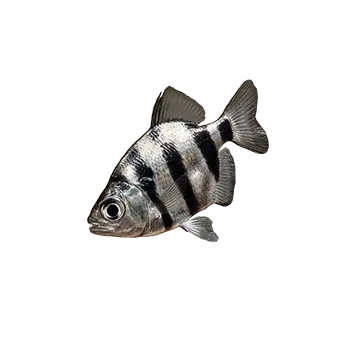

In their natural habitat, Archer Fish are specialized surface predators that feed primarily on terrestrial insects and arthropods including flies, mosquitoes, beetles, crickets, grasshoppers, spiders, moths, and other invertebrates that venture near waterside vegetation or rest on overhanging leaves and branches. Their remarkable adaptation allows them to shoot these prey items down from heights of 3-5 feet with astonishing accuracy, compensating for light refraction at the air-water interface through complex neural processing. This protein-rich insect diet provides excellent nutrition and supports their active lifestyle, rapid growth, and high intelligence.
Captive diet recommendations should emphasize protein-rich foods that replicate their carnivorous nature while providing opportunities to express natural hunting behaviors through interactive feeding. Live insects represent the gold standard for Archer Fish nutrition and enrichment, including crickets, mealworms, superworms, waxworms, roaches, flies, and grasshoppers available from reptile supply stores or online sources. Offer live insects by placing them on branches or platforms extending above the water surface, allowing the fish to practice their shooting behavior, which provides both physical nutrition and essential mental stimulation.
Frozen and prepared foods serve as convenient alternatives or supplements to live prey, including bloodworms, brine shrimp, mysis shrimp, krill, chopped shrimp, fish fillets, squid pieces, and clam meat. While these lack the behavioral enrichment of live hunting, they provide excellent nutrition when offered variety. Some Archer Fish accept high-quality carnivore pellets or flakes once acclimated, particularly larger pellets that float at the surface where they naturally feed, though frozen and live foods should form the diet foundation.
Food types beyond standard offerings that add variety include small freshwater fish or feeder fish occasionally (though not goldfish due to thiaminase), earthworms for terrestrial variety, silversides for larger specimens, and even small pieces of raw shellfish like crab or lobster. Terrestrial invertebrates provide the most natural nutrition profile since this matches their wild diet, and the hunting behavior associated with live food keeps these intelligent fish mentally engaged and prevents boredom.
Feeding frequency and portions depend on the fish's age and size, with juveniles requiring daily feeding to support rapid growth rates, while adults thrive on feeding 5-6 times weekly or every other day. Offer amounts the group can consume within 5-10 minutes, adjusting based on competition levels and individual body condition. These are enthusiastic eaters that will beg constantly, but overfeeding leads to obesity, poor water quality from excess waste, and potential health problems. A properly fed Archer Fish maintains a streamlined body without appearing emaciated or bloated.
Special dietary needs include the absolute requirement for protein-rich foods reflecting their strict carnivorous nature in the wild. Insufficient protein leads to poor growth, weak immune function, loss of color vibrancy, and reduced activity levels. Variety prevents nutritional deficiencies that might develop from repetitive feeding of a single food type. Most importantly for these intelligent fish, interactive feeding that allows expression of natural shooting behavior provides essential mental enrichment that maintains their psychological health and prevents boredom-related stress.
Supplementation with vitamins designed for carnivorous fish proves beneficial, especially when feeding predominantly frozen foods that may lose nutritional value during freezing and storage. Soak food in liquid vitamin supplements containing vitamins A, C, E, and essential fatty acids before feeding, or choose vitamin-enriched frozen foods when available. Proper gut-loading of feeder insects by feeding them nutritious foods 24 hours before offering to fish ensures insects provide maximum nutritional value.
Foods to avoid include terrestrial meats like beef, pork, chicken, and other mammalian products that contain fats and proteins these fish cannot digest properly, leading to fatty liver disease and organ damage over time. Goldfish and other fish containing thiaminase enzyme should be avoided or offered rarely, as thiaminase destroys vitamin B1 (thiamine) and causes deficiencies. Plant matter, vegetables, and algae wafers are completely inappropriate for these obligate carnivores. Processed human foods, bread, and dairy products have no place in their diet.
Interactive feeding techniques that stimulate shooting behavior include attaching insects to fishing line and dangling them 4-8 inches above the water surface, placing live crickets on branches extending over the tank, using feeding tweezers to hold food items above water while moving them to trigger predatory response, and creating feeding platforms from driftwood or plastic that extend above the waterline. Vary feeding locations to encourage exploration and prevent dominant fish from monopolizing single feeding spots. Watch for subordinate individuals being excluded from feeding and intervene by offering food in multiple locations simultaneously.
Signs of proper nutrition include vibrant silver coloration with well-defined black bands, active swimming behavior with constant surface patrolling, enthusiastic feeding response with immediate interest when food appears, healthy streamlined body condition without emaciation or obesity, rapid growth in juveniles reaching adult size within 12-18 months, and most importantly, enthusiastic display of their characteristic water-shooting behavior during feeding. Well-nourished Archer Fish display confident, bold behavior and interact readily with their keeper, approaching the glass when humans approach and even spitting water to demand food. A nutritionally compromised fish shows dulled colors, reduced activity, loss of shooting behavior, hiding, and general decline that indicates dietary problems requiring immediate correction through improved food quality, increased variety, or more frequent feeding.