
Barbados Blackbelly Sheep Species Guide - Furry Critter Network

Barbados Blackbelly Sheep

Quick Facts

🔬 Scientific Name
Ovis aries
🥚 Production Type
Meat
📊 Care Level
Beginner
😊 Temperament
Skittish
📏 Adult Size
Ewes 75-95 lbs, Rams 100-140 lbs
⏱️ Lifespan
10-15 years
🏠 Space Requirement
1/4 to 1/2 acre per sheep with rotational grazing
🌡️ Climate Hardiness
Heat Tolerant - thrives in hot, humid climates
🍽️ Diet Type
Grazer
🌍 Origin
Barbados, Caribbean
📐 Size
Medium

Barbados Blackbelly Sheep - Names & Recognition

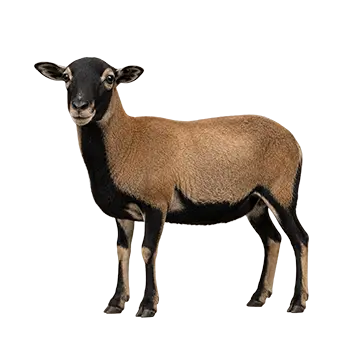
The Barbados Blackbelly sheep carries a name that precisely describes the breed's geographic origin and most distinctive physical feature—the dramatic black coloring extending along the belly, throat, and face that contrasts sharply with the tan to brown body coat. This naming convention makes the breed immediately recognizable and distinguishes it from related hair sheep breeds that may share ancestral origins but display different color patterns. In breed registries and international trade, the full name "Barbados Blackbelly" remains standard, though casual conversation may shorten this to simply "Blackbelly" among those familiar with the breed.

Historically, these sheep were sometimes referred to as "Barbados sheep" without the blackbelly designation, particularly in their native Caribbean region where they represented the primary sheep type. However, as the breed gained international recognition and began to be exported for crossbreeding programs and purebred flocks worldwide, the more descriptive "Barbados Blackbelly" became standard to prevent confusion with other Caribbean sheep populations or wooled sheep that happen to be raised in Barbados. Some literature from the mid-20th century references them as "Native Barbados" sheep, emphasizing their long establishment on the island.

The scientific classification places all domestic sheep, including Barbados Blackbelly, within the species Ovis aries despite the breed's notable physical and behavioral differences from wooled sheep. This hair sheep retains more characteristics of its wild ancestors than heavily selected wool breeds, showing in its alert temperament, seasonal breeding patterns (though less restricted than in wooled breeds), and active foraging behavior. Within the broader category of hair sheep—breeds that shed their coat naturally rather than growing continuous wool—the Barbados Blackbelly represents one of the oldest established types, contributing genetics to other hair sheep breeds developed in the Americas.

Barbados Blackbelly Sheep Physical Description

Barbados Blackbelly sheep present a distinctive, exotic appearance that immediately captures attention with their striking color pattern and refined, deer-like build. The breed standard calls for a tan to reddish-brown body coat contrasting with solid black markings on the belly extending in a stripe along the neck and throat, black extending up the insides of the legs, and distinctive black facial bars running from the eyes down the muzzle. Both rams and ewes are naturally polled (hornless), contributing to their clean-headed appearance. Eyes are alert and expressive, positioned on the sides of the relatively narrow head that lacks the broad, Roman-nosed profile of many meat breeds.

The body conformation is lean and athletic rather than heavily muscled, with Barbados Blackbelly displaying what breeders term a "deer-like" or "goat-like" build compared to stockier wool breeds. They stand on relatively long, fine-boned legs that end in small, hard hooves requiring less frequent trimming than wooled breeds. The back is level to slightly sloped toward the hindquarters, and the body depth is moderate, reflecting the breed's adaptation to foraging in variable terrain rather than maximum meat production. Shoulders are smoothly laid and blend into a moderately wide chest, while hindquarters show adequate muscling for reproduction and lamb rearing though lacking the extreme development of terminal sire breeds.

The coat consists of short, coarse hair rather than true wool, with longer, somewhat coarser hair along the spine and neck that sheds naturally in spring as temperatures warm. Winter coats grow thicker with a wooly undercoat in cold climates, providing some cold protection, though these sheep remain primarily suited to warm regions. The hair coat lies sleek against the body during warm seasons, allowing excellent heat dissipation, and requires no shearing or carding as it falls away naturally when shed. Coat colors within the breed standard allow some variation in the intensity of the tan base color, ranging from light tan to deep reddish brown, but the characteristic black markings must be present and distinct.

Rams develop a pronounced muscular crest on the neck during breeding season, and both sexes display naturally lean, athletic builds even when in good body condition. Mature rams typically weigh 100-140 pounds while ewes range from 75-95 pounds, both considerably smaller than commercial wool sheep breeds. Their refined bone structure, alert carriage, and active movement give them an appearance more reminiscent of wild sheep or goats than domestic wool breeds, reflecting their closer genetic connection to ancestral sheep types.

Handling Tolerance
Barbados Blackbelly sheep are notably flighty and alert, retaining much of their wild ancestor's wariness of humans and predators. They do not enjoy handling and will actively avoid capture, making routine care more challenging than with docile wool breeds. With consistent exposure and patient training from birth, some individuals become more tolerant, but the breed generally maintains strong flight responses throughout life.
Temperament
These sheep display active, alert temperaments with strong survival instincts and heightened awareness of their surroundings. Ewes are excellent mothers with strong maternal bonds and will actively defend lambs from perceived threats, sometimes charging dogs or humans approaching newborns. They maintain stable flock hierarchies with minimal aggression among flock mates, and their nervous energy makes them interesting to observe but challenging to handle.
Noise Level
Barbados Blackbelly sheep are exceptionally quiet, vocalizing rarely except during breeding season or when ewes call to lambs. Their wild heritage means they avoid drawing attention through noise, making them ideal for suburban and urban farms with nearby neighbors. Rams produce soft guttural sounds during breeding, and alarm calls are brief and infrequent even when stressed.
Space Requirements
As smaller-framed sheep with active natures, Barbados Blackbelly utilize space efficiently and thrive in smaller acreages compared to large wool breeds. They require quarter to half acre per animal for rotational grazing but browse and graze diverse vegetation types, making effective use of marginal land and brushy areas that larger sheep might not utilize well.
Climate Hardiness
Barbados Blackbelly sheep excel in hot, humid conditions where wool sheep struggle, demonstrating exceptional heat tolerance developed over centuries in tropical Caribbean climates. They handle high temperatures, intense sun, and humidity without stress, though they lack the cold hardiness of wool breeds and require shelter protection from freezing temperatures, ice, and snow in northern climates.
Foraging Ability
These sheep rank among the best foragers of all sheep breeds, actively browsing brush, weeds, and woody vegetation in addition to grazing grasses. Their adaptability to poor-quality forage stems from survival in Caribbean environments with variable feed availability. They thrive on diverse diets and demonstrate efficient feed conversion, maintaining condition on rougher forage than many wool breeds require.
Maintenance Level
Barbados Blackbelly are extremely low-maintenance sheep requiring no shearing, showing natural resistance to many common sheep parasites, and lambing easily without assistance. Their hair coat sheds naturally in spring, eliminating annual shearing labor and expense. Hoof trimming needs are minimal compared to wool breeds, though regular monitoring remains important. Their self-sufficient nature makes them ideal for part-time farmers or extensive grazing systems.
Productivity
While not matching specialized meat breeds in growth rate or muscling, Barbados Blackbelly provide consistent productivity through extended breeding seasons, reliable mothering, and ability to raise lambs on forage alone in warm climates. Ewes can breed out-of-season, potentially lambing twice yearly in ideal conditions. Lambs produce lean, mild-flavored meat prized in ethnic markets and by consumers seeking grass-fed lamb.

Temperament

Barbados Blackbelly sheep display notably alert, active temperaments that reflect their closer genetic relationship to wild sheep than heavily domesticated wool breeds. They maintain strong flight responses and wariness of potential threats, characteristics that aided survival in their ancestral environment but can complicate handling in modern farming situations. These sheep constantly monitor their surroundings with keen vision and hearing, reacting quickly to unusual movements, sounds, or the presence of unfamiliar animals or people. While this vigilance can frustrate farmers accustomed to docile wool breeds, it also means Barbados Blackbelly are less likely to fall victim to predators when given the opportunity to detect and flee from threats.

Flocking instincts run exceptionally strong in this breed, with individuals showing considerable stress when separated from flock mates. They move together cohesively, following leaders and responding collectively to perceived threats. This strong flocking behavior can be leveraged for handling purposes, as moving the entire group proves easier than attempting to separate individuals. However, their flight zone (the distance at which they begin to move away from perceived pressure) is larger than in tamer breeds, requiring handlers to work more deliberately and at greater distances to move sheep without causing panic.

Maternal behavior in Barbados Blackbelly ewes ranks among the strongest of any domestic sheep breed. Ewes are attentive, protective mothers that bond quickly with lambs and demonstrate remarkable vigilance in protecting offspring from potential threats. Unlike some domesticated breeds that require human assistance during lambing, Barbados Blackbelly ewes typically lamb alone without difficulty, often seeking private spots away from the main flock. First-time mothers (yearling ewes) usually lamb without assistance and immediately accept lambs, though they may show more nervousness around humans checking on newborns than experienced ewes.

Ram behavior during breeding season becomes notably more active and focused, with rams displaying typical courtship behaviors including the flehmen response (lip curling to detect pheromones), low guttural vocalizations, and persistent following of ewes approaching estrus. Rams may spar with each other to establish breeding rights but rarely engage in the intense battles seen in some breeds. Their smaller size compared to wool breed rams means they generally cause less damage to facilities and are easier to manage physically, though their agility and jumping ability require secure fencing.

Out of breeding season, Barbados Blackbelly flocks maintain relatively peaceful social structures with clear hierarchies established through subtle posturing rather than aggressive interactions. They graze and browse actively throughout daylight hours, showing particularly strong foraging drive during cooler morning and evening periods in hot weather. Midday rest periods in shade are common during summer heat, with sheep lying in groups and ruminating. Their active nature and exploratory behavior mean they utilize pastures more thoroughly than some breeds, seeking out diverse plant species and browsing higher into brush and shrubs than pure-grazing sheep.

Enclosure & Husbandry

Barbados Blackbelly sheep require especially secure fencing due to their athletic abilities, alertness, and strong flight responses. These sheep can jump surprisingly well and will test fencing regularly, particularly when stressed or seeking breeding opportunities. Woven wire with 4-inch spacing or smaller prevents lambs from escaping through gaps, with minimum fence heights of 42-48 inches (some producers recommend 48-54 inches for rams). High-tensile electric fencing works well for temporary paddock subdivision but requires training sheep to respect the fence by starting with highly visible electric netting or flags on hot wires.

Predator protection proves essential for Barbados Blackbelly despite their alertness and flight responses, as their smaller size makes them vulnerable to diverse predators including coyotes, dogs, bobcats, and in some regions, alligators or large snakes targeting lambs. Secure nighttime housing with hardware cloth over windows, strong latching doors, and predator-proof construction protects sheep from nocturnal hunters. Livestock guardian dogs pair exceptionally well with this breed, as the sheep accept canine protectors while guardian dogs deter and confront predators. Electric fencing around perimeters provides additional deterrence to climbing and digging predators.

Shelters for Barbados Blackbelly in hot climates should emphasize shade and ventilation over insulation, as heat stress presents greater risk than cold. Three-sided run-in sheds with roofs providing shade and protection from tropical storms work well in southern regions, positioned to catch prevailing breezes while blocking sun. In northern climates where winter temperatures drop below freezing, more enclosed shelters with wind protection become necessary, though deep bedding and body heat from flocked sheep provide considerable warmth. Allocate 12-15 square feet per sheep in shelter areas, adequate for this smaller breed.

Rotational grazing maximizes Barbados Blackbelly productivity and parasite control, though these sheep show greater parasite resistance than wool breeds. Moving sheep to fresh paddocks every 3-7 days before parasites complete their life cycles reduces internal parasite loads while maintaining forage quality and preventing overgrazing. The breed's browsing behavior means they utilize multi-species pastures effectively, consuming weeds and brush that other livestock avoid. Provide clean water in all paddocks, ensuring sheep consume 1-2 gallons per day with increased needs during hot weather or lactation.

Handling facilities for Barbados Blackbelly should be designed with their flighty nature in mind, incorporating solid sides that block visual distractions and reduce escape attempts. Curved races that prevent sheep from seeing the end point reduce balking and panic. Work alley widths should be just wide enough to prevent turning around (approximately 16 inches) but not so tight that sheep feel overly confined. Crowding pens with solid sides and minimal corners work better than open designs that allow sheep to scatter. Some producers find these sheep easier to move using portable electric netting to create temporary lanes rather than permanent facilities.

Feeding & Nutrition

Barbados Blackbelly sheep thrive on diverse, forage-based diets that reflect their adaptation to variable tropical grazing conditions. Unlike specialized wool breeds requiring high-quality pasture, these sheep efficiently utilize mixed vegetation including grasses, broadleaf weeds, brush, and browse from woody plants. They actively seek dietary variety, consuming plant species that other livestock ignore and demonstrating the eclectic feeding behavior more typical of goats than conventional sheep. This adaptability to rougher forages makes them ideal for pasture improvement projects, brush control, and sustainable grazing systems seeking to reduce inputs.

Quality pasture during growing seasons provides the foundation of Barbados Blackbelly nutrition, with mixed grass-legume pastures supporting maintenance, gestation, and moderate growth. However, unlike meat breeds requiring lush, uniform pasture, Blackbelly perform well on diverse pasture mixes including native grasses, clovers, and even weedy species. Their browsing behavior means they consume significant amounts of woody browse, broadleaf weeds, and vegetation along fence lines and in brushy areas. This dietary flexibility reduces supplemental feed requirements in warm climates where year-round grazing remains possible.

Hay supplementation becomes necessary when pastures are dormant, snow-covered, or during drought periods when grazing is insufficient. Barbados Blackbelly maintain condition on grass hay of moderate quality that would be inadequate for rapidly growing wool breeds, though pregnant and lactating ewes benefit from higher-protein legume hay or mixed grass-legume hay. These sheep consume approximately 3-4% of their body weight in dry matter daily, meaning an 85-pound ewe requires 3-4 pounds of hay when not on pasture, less than larger wool breeds. Their efficiency makes them economical to feed through winter in regions with dormant pasture seasons.

Grain supplementation is rarely necessary for Barbados Blackbelly under normal management conditions, representing one of the breed's significant economic advantages. Mature ewes in mid-pregnancy typically maintain condition on quality forage alone. Flushing ewes (increasing nutrition) 2-3 weeks before breeding with grain or high-quality pasture can improve conception rates and twinning, though the breed often twins on forage alone. Late-gestation ewes carrying twins benefit from modest grain supplementation (0.5-1 pound daily) to support fetal growth. Market lambs can be finished on forage alone in warm climates, though grain supplementation speeds growth when early marketing is desired.

Mineral nutrition remains important despite the breed's overall low-input requirements. Provide free-choice sheep-specific loose minerals containing appropriate trace minerals, avoiding cattle minerals which contain toxic copper levels for sheep. Selenium supplementation may be necessary in deficient regions, particularly for breeding ewes and growing lambs. Salt should be available free choice, either incorporated in mineral mixes or offered separately. The breed's adaptability and efficient mineral utilization means they generally thrive with basic supplementation that might prove inadequate for high-producing wool breeds.

Barbados Blackbelly Sheep Health & Lifespan

Barbados Blackbelly sheep demonstrate exceptional overall health and natural disease resistance compared to many wool breeds, requiring less intensive health management in appropriate climates. Their evolution in challenging tropical conditions with significant parasite pressure selected for animals with robust immune systems and natural resilience. The hair coat that sheds naturally reduces problems with fleece parasites and skin conditions that plague wooled sheep. However, they remain susceptible to some common sheep health challenges, and their flighty nature can complicate administering treatments and conducting routine health checks.

The Barbados Blackbelly's natural health and parasite resistance make them ideal for low-input, sustainable farming systems and beginning shepherds who may not yet have extensive sheep health management experience. While not completely disease-proof, their reduced health issues compared to wool breeds mean more time enjoying productive animals and less time treating problems.

Common Health Issues

  • Internal parasites including barber pole worm still affect Barbados Blackbelly - Though they show significantly greater resistance than wool breeds. FAMACHA scoring identifies heavily parasitized individuals requiring treatment while allowing resistant animals to develop immunity. Rotational grazing and selective deworming slow resistance development better than routine whole-flock treatments.
  • Hoof problems occur less frequently than in wool breeds but still require monitoring. The breed's hard - Fast-growing hooves resist some issues but can crack in very dry conditions or overgrow in wet conditions. Regular inspection during handling catches problems early, though routine trimming is needed less often than for wool sheep, perhaps 2-3 times yearly versus 6-8 times.
  • Enterotoxemia - Overeating disease, can occur when sheep access rich grain or lush pasture suddenly, causing clostridial bacteria overgrowth that may kill within hours. CD&T vaccinations prevent this disease, especially important when grain feeding or moving sheep to fresh pasture. The breed's moderate appetite and foraging behavior provides some natural protection compared to breeds that gorge on grain.
  • Cold stress affects Barbados Blackbelly in northern climates during harsh winters despite their winter undercoat growth. Newborn lambs are particularly vulnerable when born during freezing weather. Providing wind-protected shelters with deep bedding prevents hypothermia and mortality - And timing breeding to avoid midwinter lambing in cold climates protects newborns.
  • Respiratory infections can occur in poorly ventilated housing or during shipping stress - Causing coughing, nasal discharge, and decreased appetite. While less prone to pneumonia than some wool breeds, Barbados Blackbelly still require good ventilation without drafts and stress reduction during handling to prevent respiratory disease outbreaks.
  • Mastitis in ewes presents as swollen - Hot udders with abnormal milk, causing pain and potentially ruining udder function. While less common than in dairy sheep, nursing ewes can develop mastitis from injuries, poor sanitation, or bacterial infection. Regular udder checks after lambing and maintaining clean lambing areas prevent most cases.

Preventive Care & Health Monitoring

  • Establish a vaccination schedule including CD&T - Clostridium perfringens types C and D, plus tetanus, given annually to adults and to lambs at 6-8 weeks with a booster 3-4 weeks later. Work with a local veterinarian to determine if additional vaccines for regional diseases are warranted, as the breed's resistance may mean fewer vaccines are necessary than for wool sheep.
  • Implement biosecurity including 30-day quarantine for new animals with fecal testing before introducing to the flock - These practices prevent introducing diseases and resistant parasites. The breed's natural parasite resistance can be undermined by introducing heavily parasitized animals carrying resistant worm populations.
  • Provide appropriate nutrition including quality forage - Constant access to clean water, and free-choice sheep-specific minerals. While Barbados Blackbelly thrive on less intensive feeding than wool breeds, adequate nutrition still supports immune function, reproduction, and lamb growth. Don't confuse their efficiency with ability to thrive on inadequate diets.
  • Schedule periodic veterinary consultation particularly before breeding season - Though the breed's robust health means annual farm visits may be adequate rather than the more frequent interventions wool flocks sometimes require. Fecal egg counts before breeding and again at lambing assess parasite loads and guide targeted treatment decisions.

Handling & Care

Handling Barbados Blackbelly sheep requires understanding and respecting their flighty nature rather than fighting against it. These sheep do not typically gentle with handling like docile wool breeds; instead, successful management involves efficient, low-stress techniques that work with their strong flight responses. Set up handling facilities before attempting to catch sheep, as chasing Blackbelly around a pasture inevitably fails and increases their wariness. Use solid-sided alleys, strategic fencing, and the entire flock's flocking instinct to guide sheep into working areas rather than attempting to grab individuals.

Catching individual Barbados Blackbelly requires skill and appropriate facilities. Crowding pens that gradually narrow funnel sheep into single-file alleys or small catching pens where individuals can be isolated without prolonged chasing. Working gates that drop or slide into position trap sheep for examination without requiring physical wrestling. Some producers successfully use catching crooks that snag rear legs, though this requires practice to avoid injury. Once caught, restrain sheep securely—their strength and panic when held means partial restraint often results in escape and increased wildness.

Hoof trimming occurs less frequently than with wool breeds but remains necessary 2-3 times yearly. Restrain sheep in a proper tilting table, head gate with hip lift, or by setting them on their rumps in the traditional method. Their smaller size makes rump-sitting more practical than with large wool breeds. Clean hooves thoroughly, removing packed dirt and manure before assessing condition. Trim overgrown walls using sharp hoof shears, creating a level bearing surface. The breed's hard hooves require sharp tools, so maintain blade edges and replace dull shears promptly.

No shearing is required—a tremendous advantage of the breed that eliminates the annual shearing expense, labor, and skill requirement that wool breeds demand. The hair coat sheds naturally in spring, with loose hair falling away over several weeks as temperatures warm. During shedding season, sheep may look scruffy with patches of loose hair clinging to the emerging summer coat, but this is normal and requires no intervention. Some producers lightly card or brush sheep during shedding to speed the process, though this is entirely optional.

Suitability & Considerations

Barbados Blackbelly sheep suit farmers seeking low-input, self-sufficient livestock for warm-climate regions, particularly those new to sheep or working with limited time for animal care. Their minimal care requirements, health hardiness, and ability to thrive on rough forage make them ideal for part-time farmers, sustainable agriculture operations, and brush control projects. However, their flighty nature and smaller carcass size mean they may not satisfy producers seeking the hands-on interaction of pet sheep or the maximum meat production of terminal sire breeds.

Check local zoning ordinances before acquiring any sheep, as urban and suburban areas often restrict livestock keeping. Minimum acreage requirements vary, but Barbados Blackbelly's smaller size and efficient space use mean they can be kept on smaller acreages than large wool breeds—potentially 3-5 head on 1-2 acres with rotational grazing versus the single pair such space might support of larger breeds. HOA rules may prohibit farm animals even where local ordinances allow them. The breed's quiet nature and minimal odor make them among the most neighbor-friendly livestock options.

Climate considerations are critical for Barbados Blackbelly success. These sheep excel in hot, humid conditions where wool sheep struggle with heat stress and parasite loads. They perform wonderfully from Texas through Florida, in Hawaii, and in other tropical and subtropical regions. However, in northern climates with harsh winters, they require substantially more shelter and care than cold-hardy wool breeds. If you experience regular temperatures below 20°F or significant snow and ice, seriously consider whether this breed matches your climate or if cold-hardy wool breeds might be more appropriate.

Predator pressure requires realistic assessment, as Barbados Blackbelly's smaller size and lamb production make them attractive prey for coyotes, dogs, and other predators. Budget for secure fencing, predator-proof housing, and potentially livestock guardian dogs or other predator deterrence measures. Their alertness provides some protection through early predator detection and flight responses, but this is insufficient without proper facilities. Consider the emotional capacity to deal with inevitable predator encounters before committing to sheep raising in areas with significant predator populations.