Alpine Goat Species Guide - Furry Critter Network

Alpine Goat

Quick Facts

πŸ”¬ Scientific Name
Capra aegagrus hircus
πŸ₯š Production Type
Dairy
πŸ“Š Care Level
Intermediate
😊 Temperament
Friendly
πŸ“ Adult Size
Does: 135 lbs, Bucks: 170 lbs
⏱️ Lifespan
8-12 years
🏠 Space Requirement
200 sq ft shelter + 250 sq ft per goat
🌑️ Climate Hardiness
All Climates - excellent cold and heat tolerance
🍽️ Diet Type
Grazer
🌍 Origin
French Alps
πŸ“ Size
Large

Alpine Goat - Names & Recognition

The Alpine goat, scientifically classified as Capra aegagrus hircus, represents one of the most distinguished and productive dairy breeds in modern goat husbandry. The breed name derives from its origins in the Alpine mountain regions of France, where these goats were developed through centuries of selective breeding for milk production in challenging mountain terrain. In North America, they are commonly referred to as French Alpines to distinguish them from other Alpine-type goats, though the term "Alpine" alone is widely understood to reference this French breed.

The breed's development history spans several countries in the Alpine mountain range, including France, Switzerland, and Italy, where various regional populations contributed to the modern Alpine's genetic foundation. When imported to the United States in the early 1900s, American breeders further refined the breed while maintaining its core characteristics of high milk production and climate adaptability. Today, the American Alpine represents a distinct strain within the breed, having been closed to outside genetics for decades while undergoing selection for dairy production in North American farming systems.

While "Alpine" is the primary designation used in breed registries and by dairy goat enthusiasts worldwide, the breed may occasionally be referenced as "French Alpine" in historical texts or when distinguishing from other Alpine-region breeds like the Swiss Alpine or Oberhasli. In their native France, they are known as "Chèvre Alpine," though this term is rarely used in English-speaking countries. The breed's scientific name follows the standard nomenclature for all domestic goats, with Capra aegagrus representing the wild ancestor species and hircus denoting the domesticated subspecies. The Alpine's prominence in commercial and homestead dairy operations has made its name synonymous with productive, adaptable dairy goats across multiple continents and climate zones.

Alpine Goat Physical Description

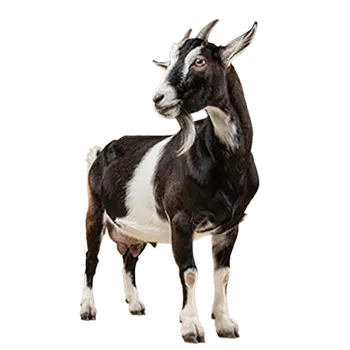
Alpine goats present a distinctive and elegant appearance characterized by their medium to large frame, straight facial profile, and erect ears that project forward and upward. Does typically weigh 135 pounds at maturity, while bucks reach approximately 170 pounds, with both sexes standing 30-32 inches at the withers. Their body conformation reflects their dual purpose as both milk producers and hardy mountain survivors, featuring well-sprung ribs, a deep chest, and a level topline that provides the capacity for both high feed intake and milk production. The breed displays a refined yet sturdy build with strong legs and properly angled joints essential for navigating varied terrain.

One of the Alpine's most notable features is the incredible diversity of color patterns accepted within the breed standard. Unlike many breeds that favor uniform coloring, Alpines can exhibit nearly any color or combination, from solid white, black, brown, or gray to complex patterns including chamoisee (bay with black markings), cou blanc (white neck and shoulders with colored hindquarters), cou clair (tan neck with darker body), cou noir (black neck and shoulders with colored hindquarters), sundgau (black with white markings), pied (spotted), and various combinations thereof. This color diversity makes Alpines easily identifiable as a breed while making individual identification straightforward in mixed herds.

Both bucks and does typically have horns if not disbudded, though most dairy operations disbud kids shortly after birth for safety and management purposes. The facial structure features a straight or slightly dished profile with alert, expressive eyes that range from amber to dark brown. Their ears are medium-sized, erect, and carried alertly forward, contributing to their attentive appearance. Does develop impressive udder capacity with well-attached, balanced mammary systems capable of holding substantial milk quantities between milkings. The udder should demonstrate strong fore attachment, adequate floor levelness, and well-defined medial support indicating genetic dairy quality.

The Alpine's coat varies seasonally, with a shorter, sleeker summer coat transitioning to a longer, denser winter coat that provides weather protection. Unlike fiber breeds, Alpines do not develop excessive hair length, maintaining a manageable coat that requires minimal grooming. Bucks develop more pronounced features during maturity, including a thicker neck, stronger facial features, and the characteristic musky odor during breeding season. Their overall appearance conveys alert intelligence, dairy capacity, and athletic capability, reflecting their heritage as productive animals developed in demanding mountain environments where both milk production and physical resilience were essential for survival.

Handling Tolerance
Alpine goats are generally friendly and accepting of human interaction, especially when bottle-raised or handled regularly from birth. They enjoy attention and treats, though they can be independent and assertive. Does are typically easier to handle than bucks, which become more challenging during breeding season.
Temperament
Alpines display alert, curious, and friendly personalities with moderate assertiveness. They establish clear herd hierarchies but rarely show extreme aggression. These intelligent goats are interactive with their keepers, though they can be headstrong and require confident handling. Their social nature makes them excellent companions for mixed herds.
Noise Level
Alpine goats are moderately vocal, especially during feeding times, when separated from herd mates, or when does are in heat. They produce typical goat bleating that can carry significant distances. Does are louder when calling kids, and bucks vocalize during rut. Not ideal for neighborhoods with close neighbors or strict noise ordinances.
Space Requirements
As medium-large dairy goats, Alpines need substantial space with 200 square feet of sheltered area plus 250 square feet of outdoor space per animal minimum. They thrive with access to browse areas and benefit from rotational grazing systems. Their active, curious nature means they appreciate varied terrain and climbing opportunities in their enclosures.
Climate Hardiness
Alpines excel in climate adaptability, having originated in the harsh Alpine mountain environment. They tolerate cold winters well with proper shelter and maintain production in hot summers. Their moderate hair coat protects against various weather conditions, though they still need shade in extreme heat and draft-free shelter in winter.
Foraging Ability
Alpine goats are exceptional foragers with strong browsing instincts, efficiently utilizing brush, weeds, and varied vegetation. They prefer browse over grass and excel at clearing overgrown areas. Their climbing ability allows them to access vegetation other livestock cannot reach, making them valuable for pasture management and brush control operations.
Maintenance Level
Alpines require moderate daily maintenance including twice-daily milking during lactation, hoof trimming every 6-8 weeks, regular parasite monitoring, and consistent feeding schedules. Their active nature demands secure fencing and shelter maintenance. While hardy, they need attentive care to maintain optimal health and milk production throughout their lactation cycle.
Productivity
Alpine goats rank among the top dairy breeds with does averaging 1-2 gallons daily during peak lactation, producing 2,000-3,000 pounds annually over 10-month lactations. Their milk has moderate butterfat content of 3.5% ideal for fluid milk consumption and cheese making. First fresheners produce less, but mature does consistently deliver impressive yields with proper nutrition.

Temperament

Alpine goats exhibit intelligent, curious, and assertive personalities that reflect their heritage as hardy mountain animals capable of independent decision-making. These goats are highly social creatures with complex herd dynamics, establishing clear hierarchies through body language, vocalizations, and occasional head-butting rather than serious aggression. Within the herd structure, dominant individuals control access to preferred feed, resting spots, and shelter entrances, while subordinate animals learn to navigate these relationships without excessive stress. New additions to established herds typically face an adjustment period as they find their place in the social order, though serious injuries are uncommon when space and resources are adequate.

Their interaction with humans ranges from friendly and interactive to independent and assertive, largely depending on early socialization and handling experience. Bottle-raised Alpines or those handled consistently from birth typically develop strong bonds with their caretakers, seeking attention, treats, and physical interaction. However, Alpines are not as universally docile as some other dairy breeds, maintaining an independent streak and assertiveness that can manifest as pushiness at feeding time, fence-testing behavior, and occasional stubbornness during handling. This independence requires confident, consistent handling rather than harsh treatment, as Alpines respond well to routine and respect but may become difficult if management is inconsistent or intimidating.

Alpine does demonstrate strong maternal instincts, typically delivering and caring for kids with minimal assistance. They are attentive mothers that call to their offspring, clean them thoroughly after birth, and defend them from perceived threats. However, some high-production does prioritize milking and feeding over constant kid attendance, which is normal behavior in dairy breeds where kids are often separated for controlled feeding. Does can become vocal and restless when separated from kids, especially in the first few days after kidding, though most adjust to management systems within a week.

The breed's foraging behavior reflects their mountain heritage, with a strong preference for browsing on woody plants, brush, weeds, and broadleaf vegetation rather than exclusively grazing grass. Alpines will strip leaves from trees and shrubs, rear up on hind legs to reach higher vegetation, and climb on structures or each other to access desired browse. This behavior makes them excellent for brush control and vegetation management but requires secure fencing to prevent escape and damage to ornamental landscaping. Their climbing ability and curiosity mean they will test fences, investigate open gates, and exploit any weakness in containment systems.

During breeding season, buck behavior becomes more pronounced as testosterone levels rise and breeding instinct intensifies. Bucks develop a strong musky odor, vocalize more frequently, and display courtship behaviors including tongue-flapping, urine-spraying, and persistent following of does in heat. Does in estrus become vocal, flag their tails, and seek proximity to bucks, behaviors that repeat every 18-21 days if not bred. The breed's year-round breeding capability in many climates allows for flexible kidding schedules, though natural seasonal patterns still influence fertility, with fall breeding and spring kidding remaining most common.

Alpines are intelligent problem-solvers that quickly learn routines, recognize individual handlers, and remember locations of feed storage, water sources, and preferred resting areas. This intelligence makes training possible for activities like leading, standing for milking, and loading into vehicles, but it also means they will quickly identify and exploit management weaknesses. Their alert, observant nature makes them excellent at detecting predators or unusual situations, often vocalizing alarm calls that alert the entire herd. Overall, Alpine temperament combines friendliness and productivity with enough independence and assertiveness to require knowledgeable, consistent management for optimal results.

Enclosure & Husbandry

Housing Alpine goats requires substantial infrastructure that provides weather protection, security from predators, and adequate space for their large frame and active nature. A minimum of 200 square feet of covered shelter per goat prevents overcrowding and reduces disease transmission, though more space is always beneficial, particularly in climates requiring extended indoor time. The shelter should feature solid roofing to protect from rain and snow, adequate ventilation to prevent respiratory disease while avoiding direct drafts, and raised resting platforms where goats can escape damp bedding and establish preferred hierarchy positions. Proper drainage prevents mud accumulation, which contributes to hoof problems and parasite loads.

Fencing represents one of the most critical and challenging aspects of Alpine goat management, as these intelligent, athletic animals are notorious escape artists. Standard four-foot woven wire fencing proves inadequate for most Alpines, which will jump, climb, or push through insufficient barriers. Five-foot woven wire with additional top strands or six-foot high-tensile electric fencing provides better security, though determined goats may still test boundaries. The fence bottom should be secured to prevent crawling under, and all gates must close securely with goat-proof latches, as Alpines quickly learn to open simple gate closures. Interior fencing dividing pastures or separating breeding groups requires equal attention to security.

Predator protection is absolutely essential for Alpine goat survival, with coyotes, dogs, mountain lions, and bears posing significant threats across much of North America. Secure nighttime housing with solid walls or predator-proof fencing protects vulnerable goats during peak predator activity hours. Hardware cloth covering windows and ventilation openings prevents entry by smaller predators like raccoons or weasels. Larger operations may benefit from livestock guardian animals such as dogs, llamas, or donkeys, which provide 24-hour protection for pastured herds. Electric fencing, particularly hot-wire strands on the outside of main fencing, deters most predators from attempting fence breaches.

Pasture management for Alpines should emphasize rotational grazing systems that prevent parasite buildup while providing access to diverse browse. Unlike cattle that prefer grass, Alpines thrive on mixed pastures containing various broadleaf plants, woody browse, and some grass species. Overstocking or continuous grazing on the same area concentrates parasites and degrades pasture quality. Ideally, goats should be moved to fresh pasture every 3-5 days, with previously grazed areas resting for 30-60 days before reuse. This rotation breaks parasite life cycles and allows vegetation recovery. Clean water access at all times is mandatory, with heated waterers necessary in freezing climates.

Bedding management impacts health, comfort, and overall herd welfare. Wood shavings, straw, or other absorbent materials should be replenished regularly to maintain dry conditions, as damp bedding promotes hoof rot, respiratory disease, and parasite problems. Deep bedding systems where fresh material is added regularly work well in colder climates, building warmth through composting action, though complete cleanouts are still necessary several times annually. In warmer climates, more frequent complete bedding changes prevent ammonia buildup and parasite concentration.

Alpines benefit from environmental enrichment that allows natural behavior expression. Elevated platforms, sturdy objects for climbing, and hanging treat toys reduce boredom and aggressive behavior. Separate feeding stations prevent resource guarding and ensure subordinate animals receive adequate nutrition. Does in milk require proper milking facilities with stanchions or milk stands that restrain goats safely during milking while allowing comfortable positioning. The milking area should be clean, well-lit, and organized for efficient twice-daily milking routines. Proper equipment maintenance and sanitation prevents mastitis and maintains milk quality for human consumption or kid feeding.

Feeding & Nutrition

Alpine goat nutrition must support their high milk production while maintaining body condition, reproductive health, and long-term productivity. As ruminants, Alpines require forage-based diets with quality hay or pasture comprising the foundation of their nutritional intake. Dairy goats in production require higher protein and energy levels than those maintained for breeding or companionship alone, with lactating does needing 14-16% protein in their total diet compared to 10-12% for dry does and bucks. The dramatic increase in nutritional demands during lactation means does producing 1-2 gallons of milk daily may need three to four times the energy intake of non-producing animals.

Quality legume hay such as alfalfa provides excellent nutrition for lactating does, offering high protein, calcium, and energy levels that support milk production. However, straight alfalfa can be too rich for dry does, bucks, and young stock, potentially causing urinary calculi in males due to improper calcium-to-phosphorus ratios. Mixed grass-legume hay or quality grass hay supplemented with protein sources provides appropriate nutrition for non-lactating animals. All hay should be fresh, free from mold and dust, and stored properly to maintain nutritional value. Second or third cutting hay typically offers higher quality than first cutting, with finer stems and more leafy material that goats prefer.

Grain supplementation for lactating Alpines varies based on milk production levels, body condition, and forage quality. A basic guideline provides one pound of grain for every three pounds of milk produced above maintenance levels, though individual animals may require adjustments. Dairy grain should contain 14-16% protein and include appropriate mineral and vitamin supplementation. Grain feeding should be introduced gradually after kidding, increasing incrementally to avoid digestive upset and metabolic disorders. Overfeeding grain relative to forage intake can cause rumen acidosis, founder, and long-term rumen damage, so forage must always comprise the majority of dietary intake.

Mineral and vitamin supplementation specifically formulated for goats is essential, as cattle minerals contain inadequate copper levels for goat requirements and sheep minerals contain toxic copper levels. Free-choice loose minerals designed for dairy goats should be available at all times, along with separate free-choice baking soda that helps buffer rumen pH. Selenium supplementation may be necessary in deficient regions, though excessive selenium is toxic. Injectable vitamins and minerals administered several times yearly ensure adequate nutrition in critical reproductive and production periods. Copper deficiency manifests as poor coat quality, fertility problems, and weak kids, making adequate copper crucial for herd health.

Water consumption increases dramatically during lactation, with producing does drinking 3-5 gallons daily or more in hot weather. Clean, fresh water must be available at all times, with waterers checked multiple times daily to ensure adequate supply and cleanliness. In freezing weather, heated waterers or frequent replacement of frozen water maintains intake, as decreased water consumption immediately depresses milk production and can contribute to urinary problems. Water quality impacts consumption, with goats preferring fresh, clean water and often refusing contaminated sources.

Pasture and browse provide valuable nutrition while allowing natural foraging behavior expression. Alpines are selective eaters that prefer woody browse, broadleaf plants, and herbs over grass, often consuming plants other livestock refuse. Rotational grazing on diverse pastures provides nutritious forage while breaking parasite cycles. However, pasture alone rarely provides adequate nutrition for high-producing dairy goats, particularly in regions with winter dormancy or drought conditions. Nutritional management for Alpines requires careful attention to body condition scoring, milk production records, and seasonal adjustments ensuring each animal receives appropriate nutrition for their production level and physiological state.

Alpine Goat Health & Lifespan

Alpine goats are generally hardy animals when provided proper nutrition, housing, and preventive care, though they remain susceptible to various health challenges common to dairy goats. Their high milk production places significant metabolic demands on does, making them vulnerable to nutritional deficiencies and metabolic disorders, particularly during late gestation and early lactation. Regular observation for early disease detection, establishment of a relationship with a veterinarian experienced in small ruminants, and consistent implementation of preventive health measures dramatically reduce disease incidence and economic losses. The most significant health challenges facing Alpine goats involve internal and external parasites, infectious diseases, metabolic disorders, and management-related issues.

The foundation of Alpine goat health rests on excellent nutrition, clean housing, parasite management, and observant stockmanship. Daily observation allows early detection of subtle changes in behavior, appetite, or appearance that signal developing problems. While veterinary care for serious conditions remains essential, preventing health problems through proper management proves far more cost-effective and humane than treating established disease. Conscientious breeders prioritize genetics for disease resistance, parasite tolerance, and overall vitality, gradually improving herd health over generations.

Common Health Issues

  • Internal parasites, particularly barber pole worm - Haemonchus contortus, , cause anemia, bottle jaw, weight loss, poor production, and death if left uncontrolled. FAMACHA scoring, regular fecal testing, rotational grazing, and strategic deworming based on need rather than calendar schedules help manage parasite loads while minimizing resistance development.
  • Hoof rot and foot scald result from persistently wet or muddy conditions - Causing lameness, foul odor, and tissue damage between hoof claws. Regular hoof trimming every 6-8 weeks, maintaining dry resting areas, and zinc sulfate foot baths during wet periods prevent and treat these painful conditions that significantly impact production.
  • Pregnancy toxemia - Ketosis, affects does carrying multiple kids in late pregnancy when energy demands exceed intake, causing weakness, incoordination, blindness, and potentially death. Adequate nutrition in late gestation, particularly maintaining body condition score, prevents this metabolic crisis that claims many high-producing does.
  • Mastitis, an infection of the udder - Causes swelling, heat, pain, and abnormal milk production, potentially leading to permanent gland damage and reduced lifetime production. Proper milking hygiene, teat dipping after milking, regular equipment cleaning, and prompt treatment of infections preserve udder health and milk quality.
  • Caprine Arthritis Encephalitis - CAE, virus transmits primarily through colostrum and milk, causing arthritis in adults and neurological disease in kids. Testing and removing positive animals, heat-treating colostrum, and raising kids separately from infected does prevents transmission in closed herds.
  • Enterotoxemia - Overeating disease, results from sudden diet changes or excessive grain intake causing Clostridial bacterial overgrowth and toxin production, potentially fatal within hours. CD&T vaccination and gradual feed changes prevent this rapid killer that particularly affects fast-growing kids and high-producing does.

Preventive Care & Health Monitoring

  • Establish a vaccination protocol including CD&T - Clostridium perfringens types C and D, and tetanus, administered annually with additional kid vaccination at 6-8 weeks and booster 3-4 weeks later. Pregnant does should receive booster vaccination 4-6 weeks before kidding to provide colostral immunity to newborns.
  • Implement strict biosecurity including 30-day quarantine for new animals - Limiting visitor access to goat areas, requiring footwear disinfection, and purchasing animals only from tested, disease-free herds. These measures prevent disease introduction to healthy herds and reduce treatment costs and losses.
  • Conduct regular fecal testing and individual animal monitoring through FAMACHA scoring - Body condition assessment, and production records. These management tools identify animals requiring treatment before clinical disease appears, reducing parasite loads while preserving dewormer efficacy.
  • Schedule routine veterinary examinations and establish relationships with experienced small ruminant veterinarians before emergencies occur. Annual herd health visits - Disease testing, and health consultations catch problems early when treatment is most successful and prevent catastrophic losses from undiagnosed conditions.

Handling & Care

Proper handling of Alpine goats requires confidence, consistency, and understanding of their independent, intelligent nature. Unlike some docile breeds that respond well to gentle persuasion alone, Alpines require handlers who establish clear expectations and maintain calm authority. Approaching goats should be done calmly and deliberately, avoiding sudden movements that trigger flight responses. Moving through herds works best when handlers use steady pressure rather than chasing, allowing goats to move away from the handler rather than being driven forward. Proper facilities including chutes, handling pens, and catch areas make routine procedures safer and less stressful for both animals and handlers.

Routine hoof trimming represents one of the most essential care tasks, required every 6-8 weeks to prevent overgrowth that causes lameness and structural damage. The process involves securing the goat, cleaning debris from the hoof, and carefully trimming excess growth with sharp hoof trimmers to restore proper foot angle and shape. Neglected hooves curl under, creating abnormal joint angles and pressure points that cause pain and permanent damage. Regular trimming from young age helps goats tolerate the procedure, as animals unaccustomed to hoof work can be difficult to restrain safely.

Alpine does in milk require twice-daily milking at consistent 12-hour intervals to maintain production and udder health. Developing a calm milking routine with proper restraint, thorough cleaning, stimulation, and complete milk removal ensures comfort and productivity. Grain feeding during milking provides positive reinforcement and keeps does standing calmly. Proper technique prevents teat and udder damage while ensuring complete milk removal that prevents mastitis. The milking area should be comfortable for both goat and milker, with adequate lighting and organized equipment storage.

Regular observation and health monitoring allow early problem detection before diseases become severe. Daily checks should note any animals showing depression, reduced appetite, abnormal discharge, limping, or other behavioral changes. Body condition scoring monthly identifies animals losing weight despite adequate feed availability. Temperature taking, basic first aid skills, and knowing when to call a veterinarian are essential capabilities for all goat keepers. Establishing relationships with veterinarians before emergencies occur ensures expert help is available when needed most.

Suitability & Considerations

Alpine goats make excellent choices for serious dairy enthusiasts, homesteaders, and commercial producers seeking productive, adaptable animals capable of thriving in varied climates and management systems. Their high milk production, hardiness, and relatively friendly temperament create an attractive package for those committed to twice-daily milking and intensive management. However, prospective Alpine owners must carefully consider the significant time commitment, physical demands, legal restrictions, and expense involved in maintaining dairy goats before bringing these animals home.

The twice-daily milking requirement for lactating does represents the single largest commitment, as dairy goats must be milked consistently every 12 hours, 365 days per year throughout their 10-month lactation. This schedule eliminates spontaneous travel, requires reliable backup help for absences, and demands significant time investment even with just a few animals. Additionally, the physical demands of lifting feed, hauling water, handling large goats, and performing twice-daily milking can be substantial, particularly for those with physical limitations or advancing age.

Legal considerations frequently complicate urban and suburban goat keeping. Many cities prohibit livestock entirely or limit goat numbers to small pet herds insufficient for serious dairy production. Zoning ordinances, HOA restrictions, and minimum acreage requirements may prevent goat ownership even where personally desired. Prospective owners must thoroughly research local regulations including zoning laws, animal number limits, setback requirements from property lines, and permit procedures before acquiring goats. Neighbors concerned about noise, odor, or property values may oppose goat keeping even where legal, creating social challenges in addition to regulatory ones.

The expense of proper Alpine goat keeping exceeds many beginners' expectations, with quality breeding stock costing hundreds to thousands of dollars per animal, fencing representing major initial investment, and feed, hay, mineral, veterinary, and maintenance costs accumulating continuously. A small dairy herd of 3-5 does requires thousands of dollars in annual expenses even with minimal veterinary interventions, making this an expensive hobby or requiring significant milk sales to offset costs. Those interested in Alpine goats for milk self-sufficiency must carefully calculate whether home dairy production actually saves money compared to purchasing commercial milk.

Despite these challenges, Alpine goats reward dedicated keepers with abundant milk for drinking, cheese making, and other dairy products. Their adaptability to various climates, relatively friendly disposition, and impressive production make them ideal foundation stock for both homestead and commercial dairy operations. Prospective owners who realistically assess the time, expense, and legal considerations involved often find Alpine goats to be remarkably rewarding animals that provide both practical benefits and the satisfaction of livestock stewardship.