Wire Pom Terrier
The Wire Pom Terrier is a cross between the Pomeranian and the Wire Fox Terrier. Because each hybrid inherits a unique combination of traits from both parents, we recommend thoroughly researching both breeds before choosing a Wire Pom Terrier. Pay special attention to temperament, health issues, and care requirements, as your dog may express characteristics from either parent breed.
Pomeranian
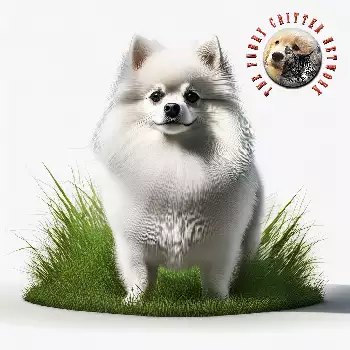
The Pomeranian is a true toy breed that captivates admirers with its diminutive size and luxurious coat, presenting a distinctive and glamorous appearance. This compact, square-proportioned dog stands between eight and eleven inches at the withers and weighs a mere three to seven pounds, with the ideal show weight falling between four and six pounds. Despite their tiny stature, Pomeranians possess a sturdy, well-built frame that carries good weight in proportion to their height. The breed typically reaches mature size by seven to ten months of age, developing its characteristic features as it grows. The body structure is distinctly square when viewed from the side, creating a balanced and symmetrical silhouette. The Pomeranian's head features a somewhat rounded skull with a distinct muzzle, creating the breed's characteristic fox-like expression. Alert, prick ears stand erect on the head, contributing to the breed's attentive and intelligent appearance. Dark, bright eyes convey curiosity and vivacity, reflecting the spirited personality within. The fluffy tail curls up and over the back, lying flat and creating the quintessential Pomeranian profile. This plumed tail is one of the breed's most recognizable features and adds to its overall balanced appearance. The Pomeranian's most striking feature is undoubtedly its luxuriant double coat, which creates the breed's signature fluffy appearance. The undercoat is soft and dense, while the outer coat is long, straight, and stands off from the body, particularly around the neck, shoulders, and chest where it forms a thick ruff. This abundant coat comes in a remarkable array of colors, with rich red being the most commonly associated shade, though everything from black to white to sable and all variations in between are acceptable according to breed standards. The Pomeranian is considered a miniaturized Spitz-type dog, descended from larger sled dogs of the Arctic regions, and its coat reflects this heritage by providing excellent insulation in cold weather.
Key Characteristics
Temperament Temperament Temperament Temperament Temperament Temperament Despite their lapdog appearance, Pomeranians are quite active and need daily exercise, even if just a walk around the block or active play sessions indoors. They are curious about the world beyond their home and love to explore when given the opportunity, though their small size means they should always be protected from larger animals and rough handling. Pomeranians can be prone to excessive barking due to their alert nature and protective instincts, which requires training to manage appropriately. They generally get along well with other pets when properly introduced and can be good with older children who understand how to handle small dogs gently. Their extroverted personalities and ability to adapt to their owner's lifestyle make them versatile companions for various living situations.
Health Considerations Health Considerations Health Considerations Health Considerations Health Considerations Health Considerations Alopecia X, also known as Black Skin Disease or severe hair loss syndrome, is a condition that affects Pomeranians more than most other breeds. This disorder causes progressive hair loss and darkening of the skin, though it does not affect the dog's overall health. Treatment may include medicated shampoos and dietary supplements to support skin and coat health. Hypothyroidism, where the body produces insufficient thyroid hormone, can also occur, leading to weight gain, lethargy, and coat problems. Heart disease, including mitral valve disease and congestive heart failure, may develop as Pomeranians age. Dental disease is particularly prevalent due to their small jaws, which can lead to overcrowding of teeth and subsequent periodontal issues requiring regular dental care and professional cleanings.
Wire Fox Terrier

The Wire Fox Terrier is a sturdy, balanced, and elegantly built small-to-medium hunting terrier that embodies the perfect combination of strength and agility. Males typically stand no more than fifteen and a half inches at the withers and weigh between seventeen and nineteen pounds, while females are slightly smaller at fifteen to seventeen pounds. The breed presents a square, compact silhouette with sufficient leg length to run alongside foxhounds during hunts while maintaining the ability to go to ground after quarry. The body is muscular yet agile, modeled on the symmetry and power of the Foxhound, with a short back that gives the dog a well-balanced appearance from every angle. The head is long and moderately narrow, with a flat skull that tapers slightly toward the muzzle. The skull and muzzle are equal in length, joined by a barely perceptible stop, creating a distinctive profile. The jaws are strong and muscular, housing large teeth that are bigger than one might expect for a dog of this size. Small, V-shaped ears are set high on the head, folding forward and dropping close to the cheeks. Dark, moderately small eyes express keen intelligence and alertness, contributing to the breed's characteristic expression of eager anticipation. The tail is traditionally docked and carried erect, though never curled over the back. The defining characteristic of this breed is its distinctive wire coat, which is dense, hard, and wiry in texture with a broken appearance. The coat is ideally crinkly or slightly wavy but never curly. Beneath the harsh outer coat lies a soft, dense undercoat that provides protection from the elements. White is the predominant color, with patches of black, tan, or combinations of black and tan marking the face, ears, and body. A black saddle or large colored splotches are common. The coat requires regular maintenance, including professional grooming or hand-stripping several times yearly to maintain its correct texture, though pet owners often opt for clipping despite the softening effect on the coat.
Key Characteristics
Temperament Temperament Temperament Temperament Temperament Temperament Training a Wire Fox Terrier requires patience, consistency, and positive reinforcement methods. These intelligent dogs learn quickly but can be stubborn and willful, becoming easily bored with repetitive exercises. They respond best to short, engaging training sessions with plenty of rewards. Early socialization is essential to help them develop appropriate behavior around other dogs, as males in particular can be aggressive toward other males. While they can learn to coexist with other pets, caution should be exercised around smaller animals due to their hunting instincts. They make excellent companions for children, matching their energy and enthusiasm for play, though all interactions should be supervised. The Wire Fox Terrier is never a couch potato and is far too busy exploring life to sit quietly in a lap.
Health Considerations Health Considerations Health Considerations Health Considerations Health Considerations Health Considerations Patellar luxation is common among small-breed dogs including the Wire Fox Terrier, occurring when the kneecap slides out of its normal position during movement. Mild cases may only be detected during veterinary examination, while more severe instances can cause a hopping, three-legged gait. Treatment options range from conservative management with joint supplements and weight control to surgical correction. Wobbler syndrome, though more typically seen in larger breeds, can occur in Wire Fox Terriers, causing a drunken or uneven gait due to narrowed vertebrae pinching the spinal cord. Dental issues can also develop due to the breed's active nature and chewing habits, making regular dental care essential. A 2024 UK study found a life expectancy of 13.5 years for the breed, slightly above the average for purebred dogs.
Important to Remember
Each hybrid dog is unique and may inherit any combination of traits from either parent breed. The information above represents the characteristics of the purebred parent breeds. Your Wire Pom Terrier may favor one parent over the other or display a blend of both. We strongly encourage you to read the complete breed profiles for both the Pomeranian and Wire Fox Terrier to fully understand the range of possible temperaments, health concerns, and care requirements.