Westeke
The Westeke is a cross between the West Highland White Terrier and the Schipperke. Because each hybrid inherits a unique combination of traits from both parents, we recommend thoroughly researching both breeds before choosing a Westeke. Pay special attention to temperament, health issues, and care requirements, as your dog may express characteristics from either parent breed.
West Highland White Terrier

The West Highland White Terrier, affectionately known as the Westie, is a small but sturdy terrier that originated in Scotland as a capable hunter of small game. This compact breed stands ten to eleven inches tall at the shoulder and typically weighs between thirteen and twenty-two pounds, with males generally being slightly larger than females. The Westie has a distinctively balanced and well-proportioned body that is slightly longer than it is tall, giving it an athletic appearance despite its small size. The breed possesses a broad chest, strong muscular limbs, and a level topline that contributes to its surprisingly powerful build for a dog of its stature. The most striking feature of the West Highland White Terrier is its brilliant pure white double coat, which consists of a harsh, straight outer coat approximately two inches in length and a soft, dense undercoat. This distinctive white coloring was specifically developed so hunters could easily distinguish their dogs from the prey they were pursuing. The coat requires regular grooming and either hand-stripping or clipping to maintain its proper texture and appearance. The fur grows thicker around the neck, forming a characteristic ruff, while the hair on the face fills out to give the head a rounded appearance that is a hallmark of the breed. The Westie's head is proportionate to its body with a slightly domed skull that is broader than it is long. The breed features deep-set, almond-shaped eyes that are dark brown in color and convey an intelligent, alert expression. The small, erect, triangular ears are set wide apart on top of the head and are covered with short, velvety hair. The muzzle is slightly shorter than the skull with a defined stop, and the nose is always black. The tail is relatively short, carried upright, and is thicker at the base, tapering to a point. The paws turn slightly outward, an adaptation that aided the breed when climbing rocky Scottish terrain.
Key Characteristics
Temperament Temperament Temperament Temperament Temperament Temperament The West Highland White Terrier retains strong prey drive instincts from its hunting heritage and may chase small animals including cats, squirrels, and birds. They have a natural tendency to dig, a behavior rooted in their original purpose of pursuing vermin into burrows. Westies are energetic dogs that require regular daily exercise of at least one hour to stay physically and mentally satisfied. They are adaptable to various living situations including apartments, provided they receive adequate exercise and mental stimulation. Without proper outlets for their energy, they may develop behavioral issues such as excessive barking, digging, or destructive chewing.
Health Considerations Health Considerations Health Considerations Health Considerations Health Considerations Health Considerations Respiratory issues pose significant concerns for West Highland White Terriers, particularly idiopathic pulmonary fibrosis, sometimes called Westie lung disease. This progressive condition causes scarring of lung tissue, leading to breathing difficulties and reduced exercise tolerance, and unfortunately has no cure. The breed is also predisposed to chronic hepatitis and copper-associated liver disease, with Westies being over three times more likely than other breeds to develop these liver conditions. Eye problems including juvenile cataracts, keratoconjunctivitis sicca or dry eye, and glaucoma may occur. Responsible breeders screen for these hereditary conditions and can provide health clearances for breeding stock.
Schipperke
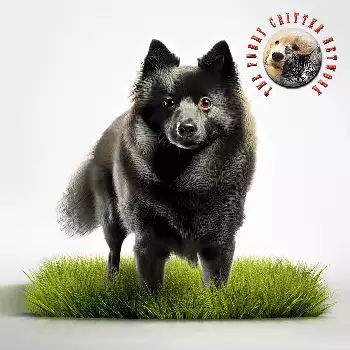
The Schipperke is a small, agile Belgian breed with a distinctive silhouette that sets it apart from other dogs. This compact, thickset dog stands ten to thirteen inches at the shoulder and typically weighs between ten and sixteen pounds, with males generally being slightly larger than females. The breed has a square profile when viewed from the side, with the body length being approximately equal to the height at the withers. The Schipperke possesses a broad and deep chest, a short and straight back, and powerful loins that are well drawn up from the brisket, giving the breed a distinctive outline that appears to slope from the shoulders toward the hindquarters. The Schipperke's coat is one of its most recognizable features, consisting of a dense, harsh outer coat with a soft, fluffy undercoat that provides excellent protection against the elements. The coat grows in a distinctive pattern with short hair on the face, ears, and front of the legs, medium-length hair on the body, and longer hair forming a pronounced ruff around the neck, a cape across the shoulders, and culottes on the back of the thighs. This unique coat distribution creates the breed's characteristic silhouette and gives the appearance of a sloped topline. The breed is most commonly solid black with a shiny coat, though blonde, cream, and very rarely liver-red colorations may occur. The Schipperke has a fox-like face that contributes to its alert, mischievous expression. The skull is of medium width, wedge-shaped when viewed from above, with a definite but not prominent stop. The small, oval eyes are dark brown and placed forward on the head, giving an intelligent and questioning look. The small, triangular ears are set high and carried stiffly erect, contributing to the breed's perpetually alert appearance. The muzzle is moderately long with a small black nose. The tail varies naturally in length, from a full-length curled tail carried over the back to some dogs being born with a natural bobtail or no visible tail at all.
Key Characteristics
Temperament Temperament Temperament Temperament Temperament Temperament The breed's intelligence and independent nature can make training challenging for inexperienced owners. Schipperkes are quick learners but may become bored with repetitive exercises and will test boundaries if allowed. They respond best to positive reinforcement training methods that keep sessions short, varied, and engaging. The breed has a strong prey drive inherited from its ratting heritage and may chase small animals, birds, and rodents with determination. Schipperkes need secure fencing as they are skilled escape artists who will take advantage of any opportunity to explore. They require regular exercise and interactive play to channel their abundant energy constructively.
Health Considerations Health Considerations Health Considerations Health Considerations Health Considerations Health Considerations Schipperkes may also be affected by hypothyroidism, an endocrine disorder where the thyroid gland produces insufficient hormones. Symptoms include weight gain despite normal food intake, lethargy, dry coat, hair loss, and skin infections, typically appearing between two and five years of age. This condition is manageable with daily thyroid hormone replacement medication. Eye conditions including cataracts and progressive retinal atrophy may occur in the breed. Epilepsy, while not extremely common, has been reported in Schipperkes and requires lifelong management with anticonvulsant medications. Responsible breeders test for MPS IIIB, as carriers can be identified through DNA testing, and maintain records of hip, patella, and thyroid health in their breeding stock.
Important to Remember
Each hybrid dog is unique and may inherit any combination of traits from either parent breed. The information above represents the characteristics of the purebred parent breeds. Your Westeke may favor one parent over the other or display a blend of both. We strongly encourage you to read the complete breed profiles for both the West Highland White Terrier and Schipperke to fully understand the range of possible temperaments, health concerns, and care requirements.