Wel-Chon
The Wel-Chon is a cross between the Bichon Frise and the Welsh Terrier. Because each hybrid inherits a unique combination of traits from both parents, we recommend thoroughly researching both breeds before choosing a Wel-Chon. Pay special attention to temperament, health issues, and care requirements, as your dog may express characteristics from either parent breed.
Bichon Frise
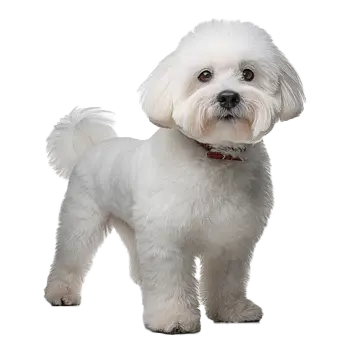
The Bichon Frise is a small, sturdy companion breed instantly recognizable by its cheerful powder-puff appearance that has charmed owners for centuries. Standing 9 to 12 inches at the shoulder and weighing between 7 and 18 pounds, with most adults in the 12 to 18 pound range, the breed presents a compact yet solid build beneath its abundant coat. The body is slightly longer than tall, with a level topline and well-sprung ribs that give the chest adequate capacity for this energetic little dog. Despite their fluffy exterior, Bichons possess a surprisingly athletic frame capable of quick movements, playful acrobatics, and sustained activity during play sessions. The breed's signature white double coat creates the distinctive rounded silhouette that characterizes the Bichon and requires dedicated grooming attention. The undercoat is soft and dense, while the outer coat is coarser and curlier, standing away from the body to create the trademark puffball appearance that has made the breed so recognizable. The coat is always white, though puppies may display cream, apricot, or buff shadings around the ears and body that typically fade as the dog matures. The coat requires extensive grooming to maintain its shape and prevent matting, making professional grooming every four to six weeks essential for most owners. Regular brushing between grooming appointments is necessary to prevent tangles and maintain coat health. The head is proportionate to the body with a slightly rounded skull and a moderately defined stop that creates a gentle transition to the muzzle. The dark, round to slightly almond-shaped eyes convey an alert, curious expression and are surrounded by dark halos that enhance their appearance and contribute to the breed's soulful look. The black nose and lips provide striking contrast against the white coat and are essential breed characteristics. The ears are dropped, hanging close to the head and covered with long, flowing hair that blends seamlessly into the body coat. The plumed tail curves gracefully over the back, completing the breed's elegant yet whimsical appearance that has made it beloved by owners worldwide for centuries.
Key Characteristics
Temperament Temperament Temperament Temperament Temperament Temperament The Bichon's greatest need is for constant companionship, as they do not tolerate being left alone for extended periods. Separation anxiety is extremely common in the breed and can manifest as destructive behavior, excessive barking, and house soiling when owners are absent. This breed is best suited for households where someone is home most of the time or where the dog can accompany family members on daily activities. While their exercise needs are moderate compared to larger breeds, Bichons still require daily walks and play sessions to maintain physical health and mental stimulation. Their adaptable nature makes them suitable for apartment living, provided their social and exercise needs are consistently met.
Health Considerations Health Considerations Health Considerations Health Considerations Health Considerations Health Considerations Heart disease is the leading cause of death in senior Bichons, with mitral valve disease being the most common cardiac condition. Regular cardiac screenings become increasingly important as dogs age. Eye conditions including corneal dystrophy and cataracts may develop, potentially affecting vision if left untreated. The breed's long, floppy ears create a warm, moist environment conducive to ear infections, requiring regular cleaning and monitoring. Bladder stones and urinary tract issues occur in some individuals. Responsible breeders screen for hereditary conditions including hip dysplasia, eye diseases, and patellar luxation to produce healthier puppies.
Welsh Terrier

The Welsh Terrier is a sturdy, compact medium-small terrier that presents a workmanlike appearance reflecting its heritage as a capable hunting companion in the rugged terrain of Wales. Males and females stand approximately 15 to 15.5 inches at the shoulder and weigh around 20 to 21 pounds, creating a square, balanced silhouette that conveys both strength and agility. The body is well-ribbed with a moderately narrow chest that allows the dog to fit into tight spaces when pursuing quarry underground. Strong, straight legs with compact, cat-like feet support a frame built for both power and agility in the field, enabling quick movements and sustained activity during hunting expeditions. The Welsh Terrier's distinctive double coat consists of a hard, wiry, dense outer layer and a soft, short undercoat that provides insulation and protection from harsh weather and thorny undergrowth. The coat requires regular hand-stripping to maintain proper texture and color, though many pet owners opt for clipper trimming which softens the coat over time and may lighten the color. The breed displays a black jacket covering the back and extending down the sides, with rich tan coloring on the legs, underbody, and head creating a striking contrast. Puppies are born almost entirely black, with the tan markings developing gradually as they mature. Some dogs may display a grizzle pattern rather than solid black in the jacket area. The head is rectangular when viewed from the front, with a flat skull and strong, punishing jaws capable of dispatching vermin effectively. Small, dark, almond-shaped eyes convey the keen, intelligent expression characteristic of terriers and demonstrate the breed's alert awareness of its surroundings. The V-shaped ears fold forward close to the cheeks, set high on the head and adding to the alert appearance. A distinctive beard and bushy eyebrows frame the face, contributing to the breed's characterful and dignified appearance. The tail is traditionally docked in countries where permitted, carried upright to signal the dog's position when working in heavy brush. The overall impression is of a compact, rugged working terrier ready for action.
Key Characteristics
Temperament Temperament Temperament Temperament Temperament Temperament Welsh Terriers make devoted family companions for owners who appreciate terrier characteristics and can provide firm, consistent leadership. They are affectionate with family members and can be excellent with children who treat them respectfully. The breed requires substantial daily exercise, typically an hour or more of activity including walks, play sessions, and opportunities to explore. They excel in various canine sports including earthdog trials, agility, and obedience competitions that channel their natural drives. Welsh Terriers are not recommended for first-time dog owners due to their strong-willed nature and need for experienced handling to prevent the development of small dog syndrome.
Health Considerations Health Considerations Health Considerations Health Considerations Health Considerations Health Considerations Hypothyroidism affects some Welsh Terriers, causing symptoms such as weight gain, lethargy, and skin and coat changes. The condition is easily managed with daily thyroid hormone supplementation once diagnosed. Patellar luxation, common in many small to medium breeds, may occur when the kneecap slips from its normal position. Legg-Calve-Perthes disease, a condition affecting blood supply to the hip joint, has been reported in the breed and typically requires surgical correction. The breed's typical lifespan ranges from 12 to 15 years with proper care. Regular veterinary examinations, maintaining healthy weight, and selecting puppies from health-tested parents help ensure the best outcomes for individual dogs.
Important to Remember
Each hybrid dog is unique and may inherit any combination of traits from either parent breed. The information above represents the characteristics of the purebred parent breeds. Your Wel-Chon may favor one parent over the other or display a blend of both. We strongly encourage you to read the complete breed profiles for both the Bichon Frise and Welsh Terrier to fully understand the range of possible temperaments, health concerns, and care requirements.