Weiler Dane
The Weiler Dane is a cross between the Rottweiler and the Great Dane. Because each hybrid inherits a unique combination of traits from both parents, we recommend thoroughly researching both breeds before choosing a Weiler Dane. Pay special attention to temperament, health issues, and care requirements, as your dog may express characteristics from either parent breed.
Rottweiler

The Rottweiler is a large, powerful breed standing twenty-two to twenty-seven inches at the shoulder, with males typically measuring twenty-four to twenty-seven inches and females twenty-two to twenty-five inches. Weight ranges from eighty to one hundred thirty-five pounds or more, with males averaging ninety-five to one hundred thirty-five pounds and females eighty to one hundred pounds. The breed presents a robust, muscular appearance that immediately conveys strength and athleticism. The body is slightly longer than tall, maintaining approximately a nine to ten ratio, which provides the stability and endurance required for the breed's historical work as a drover and guardian of cattle and property. The Rottweiler's coat is short, dense, flat-lying, and coarse in texture, providing weather resistance without excessive length. The breed's distinctive coloration consists of a black base coat with clearly defined rust or mahogany markings appearing on specific areas including over each eye, on the cheeks, on each side of the muzzle, on the chest as two triangular marks, on the front legs from carpus to toes, on the inside of rear legs from hock to toes, and under the tail. The markings should be sharply defined against the black background, and the undercoat is gray, fawn, or black. Grooming requirements are minimal, consisting primarily of regular brushing to manage shedding and occasional bathing. The head is of medium length, broad between the ears, and moderately arched when viewed from the side. The forehead may show some wrinkling when the dog is alert, and the expression should convey nobility and alertness. The muzzle is broad at the base and tapers slightly toward the nose, with well-developed jaws displaying tremendous biting power. The eyes are medium-sized, almond-shaped, and dark brown, conveying an alert and confident expression. The ears are medium-sized, triangular, and set well apart, hanging forward with the inner edge lying close to the cheek. The breed typically lives eight to eleven years, with some studies showing an average lifespan around ten years.
Key Characteristics
Temperament Temperament Temperament Temperament Temperament Temperament Socialization from puppyhood is absolutely essential for Rottweilers, as their natural protective instincts and physical power require careful channeling. Without proper socialization, the breed may become overly suspicious of strangers or aggressive toward other dogs, particularly dogs of the same sex. They can be dominant dogs, especially males, and require owners who understand the importance of establishing themselves as leaders within the relationship. When raised with children and given proper training, Rottweilers are typically gentle and protective family companions. However, this is not generally recommended as a breed for first-time dog owners due to their size, strength, and need for experienced handling.
Health Considerations Health Considerations Health Considerations Health Considerations Health Considerations Health Considerations Additional health concerns in the breed include subaortic stenosis, a heart condition involving narrowing of the area below the aortic valve that can cause sudden death, and various other cardiac abnormalities. Wobbler syndrome affects the cervical spine and causes progressive weakness and coordination problems in the hind legs. Cruciate ligament tears commonly affect this heavy breed and often require surgical repair. Other conditions documented in Rottweilers include degenerative myelopathy, von Willebrand disease, progressive retinal atrophy, cataracts, hypothyroidism, and panosteitis in growing puppies. Working with reputable breeders who conduct comprehensive health testing can reduce the risk of many inherited conditions.
Great Dane
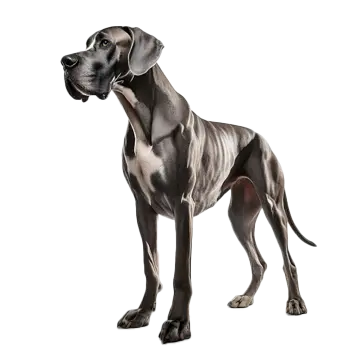
The Great Dane is one of the tallest dog breeds in existence, with males standing a minimum of thirty inches at the shoulder and females at least twenty-eight inches, though many individuals exceed these minimums significantly. Weight ranges from one hundred ten to one hundred seventy-five pounds or more, with males typically being substantially heavier than females. Despite their enormous size, Great Danes should present a picture of elegance and balance, appearing regal and dignified rather than clumsy or cumbersome. The breed is often described as the Apollo of dogs, combining great size with a graceful, athletic build that reflects their heritage as hunters of wild boar and guardians of estates. The Great Dane's body is square to slightly off-square, with the length from the breastbone to the rear approximately equal to the height at the withers. The chest is very deep, extending to the elbows, with well-sprung ribs that provide ample heart and lung capacity for a dog of this size. The back is short, strong, and level, leading to a broad, muscular loin. The breed possesses a short, thick, smooth, and glossy coat that lies close to the body and requires minimal grooming beyond regular brushing to manage shedding. Great Danes come in several recognized colors including fawn with a black mask, brindle, blue, black, harlequin featuring irregular black patches on white, and mantle with a black blanket extending over the body. The head is long, rectangular, and finely chiseled, appearing narrow when viewed from the side but broad when viewed from the front. The eyes are medium-sized, deep-set, and almond-shaped, typically dark in color though blue or odd eyes may occur in harlequin and merle dogs. The ears are naturally floppy and medium-sized, though historically they were often cropped to stand erect. The muzzle is deep and rectangular, and the nose is typically black except in blue dogs and some harlequins. The neck is long, firm, and arched, blending smoothly into well-laid-back shoulders. The Great Dane has a relatively short lifespan compared to smaller breeds, typically living six to ten years, with an average around eight years.
Key Characteristics
Temperament Temperament Temperament Temperament Temperament Temperament Great Danes are intelligent and generally responsive to training, though they can display an independent or stubborn streak that requires patient, consistent handling. They thrive on human companionship and do not do well when isolated or left alone for extended periods. The breed's moderate energy level may surprise those expecting a giant dog to be lethargic, as they enjoy daily walks and play sessions and benefit greatly from early socialization and obedience training. Their need for space and exercise, combined with their potential for significant veterinary expenses, means prospective owners should carefully consider whether they can adequately meet this breed's needs throughout its life.
Health Considerations Health Considerations Health Considerations Health Considerations Health Considerations Health Considerations Orthopedic conditions common to giant breeds affect Great Danes with concerning frequency. Hip dysplasia and elbow dysplasia both occur and can lead to painful arthritis requiring lifelong management. Wobbler syndrome, affecting the cervical spine, causes progressive coordination problems and weakness. Osteosarcoma, an aggressive bone cancer, strikes Great Danes at higher rates than many other breeds, typically affecting the long bones of the legs and carrying a poor prognosis. Hypertrophic osteodystrophy may affect growing puppies, causing painful bone inflammation. The breed's relatively short lifespan of six to ten years reflects the cumulative burden of these health challenges, though working with breeders who prioritize health testing can help improve outcomes.
Important to Remember
Each hybrid dog is unique and may inherit any combination of traits from either parent breed. The information above represents the characteristics of the purebred parent breeds. Your Weiler Dane may favor one parent over the other or display a blend of both. We strongly encourage you to read the complete breed profiles for both the Rottweiler and Great Dane to fully understand the range of possible temperaments, health concerns, and care requirements.