Wauzer
The Wauzer is a cross between the West Highland White Terrier and the Miniature Schnauzer. Because each hybrid inherits a unique combination of traits from both parents, we recommend thoroughly researching both breeds before choosing a Wauzer. Pay special attention to temperament, health issues, and care requirements, as your dog may express characteristics from either parent breed.
West Highland White Terrier

The West Highland White Terrier, affectionately known as the Westie, is a small but sturdy Scottish terrier breed instantly recognizable by its brilliant white double coat and distinctive rounded facial appearance. Males typically stand approximately 11 inches at the shoulder and weigh 15 to 20 pounds, while females measure about 10 inches with similar weight ranges. Despite their compact size, Westies possess a robust, well-muscled body with a slightly rectangular build, being just slightly longer than tall. The breed has a broad chest and powerful hindquarters that speak to its heritage as a working earth dog capable of pursuing prey underground. The coat is one of the Westie's most distinguishing features, consisting of a harsh, wiry outer coat approximately two inches in length over a softer, dense undercoat. This double coat was developed to protect the dog from harsh Scottish weather and from the bites of vermin being pursued in underground dens. The coat fills out the face, creating the rounded, chrysanthemum-like appearance that is characteristic of the breed. The color is always pure white, though a very light wheaten shade may occasionally appear. Black pigmentation on the nose, lips, eye rims, and paw pads provides essential contrast to the white coat. The head is slightly domed with a broad skull that tapers slightly from ears to eyes, and the muzzle is blunt rather than pointed. The small, erect ears are set wide apart on top of the skull and are carried firmly upright, giving the Westie an alert, attentive expression. The eyes are dark, almond-shaped, and set deep beneath heavy brows, conveying an intelligent and inquisitive look. The tail is shaped like a carrot, relatively short at five to six inches, and carried upright but never curled over the back. The feet are slightly turned outward, which provided better traction when digging in rocky Scottish terrain. The overall expression is one of self-confidence, determination, and alertness.
Key Characteristics
Temperament Temperament Temperament Temperament Temperament Temperament Westies retain strong terrier instincts including a high prey drive, tendency to dig, and inclination to chase small animals. They are intelligent and can learn quickly but may choose not to obey if they see no benefit in compliance, requiring patient, consistent training with positive reinforcement methods. The breed needs moderate daily exercise, typically around an hour, and benefits greatly from mental stimulation through games and interactive activities. Westies are more sociable than many terrier breeds and generally get along well with other dogs when properly socialized, though some individuals may be dog-selective. They can live peacefully with cats if raised together from puppyhood but should not be trusted with smaller pets due to their strong hunting instincts.
Health Considerations Health Considerations Health Considerations Health Considerations Health Considerations Health Considerations Lower respiratory tract disorders are a common cause of death in older Westies, with pulmonary fibrosis being of particular concern in the breed. This progressive lung disease causes scarring of lung tissue and breathing difficulties. Globoid cell leukodystrophy, also known as Krabbe disease, is a fatal inherited neurological disorder where dogs lack an essential enzyme, causing progressive weakness, tremors, and paralysis typically appearing by 30 weeks of age. Other health concerns include dental disease, liver problems including chronic hepatitis, eye conditions such as cataracts and keratoconjunctivitis sicca, and heart disease including mitral valve disease. Regular veterinary checkups and purchasing from breeders who perform health testing help ensure the best outcomes for this beloved breed.
Miniature Schnauzer
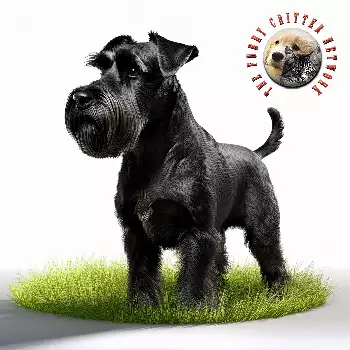
The Miniature Schnauzer is a small, sturdy German breed distinguished by its distinctive facial furnishings including bushy eyebrows, a luxuriant beard, and a prominent mustache that give the breed a wise, almost human-like expression. Males typically stand 12 to 14 inches at the shoulder and weigh 11 to 18 pounds, while females measure 11 to 13 inches and weigh 10 to 15 pounds. The breed has a square-shaped build with robust bone and well-developed musculature, projecting an impression of sturdiness without appearing heavy or coarse. The body is compact and short-coupled, with a strong back and well-sprung ribs. The coat is a defining characteristic, consisting of a hard, wiry outer layer over a soft, close undercoat. The traditional grooming style maintains short coat on the body while leaving longer furnishings on the legs, underbody, and face. The recognized colors are salt and pepper, where individual hairs are banded in shades of black, gray, and silver; solid black; black and silver; and pure white, though the latter is not recognized by all kennel clubs. The salt and pepper pattern creates a distinctive appearance with lighter shading on the eyebrows, whiskers, cheeks, and leg furnishings. Good pigmentation is essential throughout all color varieties. The head is strong and rectangular, with a moderately broad skull that diminishes slightly from ears to eyes. The foreface is at least as long as the topskull, and the muzzle ends in a moderately blunt manner. The eyes are small, dark brown, and deep-set with an oval appearance that conveys a keen, alert expression. The ears may be cropped to stand erect or left natural, with uncropped ears being small and v-shaped, folding close to the skull. The neck is strong and arched, blending smoothly into well-laid shoulders. The tail is set high and traditionally docked to be clearly visible over the backline, though natural tails are increasingly common where docking is prohibited. The breed moves with free, balanced, and vigorous movement, demonstrating both reach and drive.
Key Characteristics
Temperament Temperament Temperament Temperament Temperament Temperament Miniature Schnauzers are generally good with children and make excellent family pets when properly socialized, though their exuberance may be overwhelming for very young children. The breed's temperament varies more than many breeds, with some individuals being very terrier-like and feisty while others are calmer and more mellow. Most Miniature Schnauzers are friendly with other dogs, though some may be assertive or selective in their canine friendships. Their hunting heritage means they may chase small animals, though many coexist peacefully with cats when raised together. The breed requires moderate daily exercise and significant mental stimulation to prevent boredom-related behavioral problems.
Health Considerations Health Considerations Health Considerations Health Considerations Health Considerations Health Considerations Eye conditions affect Miniature Schnauzers at significant rates, including cataracts that can appear anywhere from birth to six years of age, progressive retinal atrophy causing gradual vision loss, and retinal dysplasia. Breeders should have their dogs examined annually by a certified veterinary ophthalmologist. Myotonia congenita is a genetic muscle disorder specific to the breed causing muscle stiffness and difficulty moving. A DNA test is available to identify carriers and affected dogs. Other health concerns include liver disorders such as portosystemic shunt, diabetes, hypothyroidism, heart disease including mitral valve disease and sick sinus syndrome, dental disease, and allergic skin conditions. Regular veterinary care and purchasing from health-tested breeding stock help ensure optimal health outcomes for this spirited breed.
Important to Remember
Each hybrid dog is unique and may inherit any combination of traits from either parent breed. The information above represents the characteristics of the purebred parent breeds. Your Wauzer may favor one parent over the other or display a blend of both. We strongly encourage you to read the complete breed profiles for both the West Highland White Terrier and Miniature Schnauzer to fully understand the range of possible temperaments, health concerns, and care requirements.