Tzu Basset
The Tzu Basset is a cross between the Basset Hound and the Shih Tzu. Because each hybrid inherits a unique combination of traits from both parents, we recommend thoroughly researching both breeds before choosing a Tzu Basset. Pay special attention to temperament, health issues, and care requirements, as your dog may express characteristics from either parent breed.
Basset Hound

The Basset Hound is a distinctive, low-slung scent hound that stands no more than 14 inches tall at the shoulder, typically measuring between 13 and 15 inches, while carrying substantial weight ranging from 40 to 65 pounds, with some individuals exceeding 80 pounds. This breed's most recognizable feature is its dramatically short, crooked legs supporting a long, heavy body, creating the lowest-to-the-ground silhouette of any recognized breed. Despite their comical appearance, Basset Hounds possess a powerfully built, heavy-boned frame with more bone per pound than any other breed, giving them remarkable strength and endurance for trailing game across challenging terrain over long distances. The Basset's head is large and well-proportioned, featuring a distinctively domed skull with a pronounced occipital protuberance that adds to the breed's noble appearance. The face is characterized by deeply sunken, sad-looking eyes that appear in shades of brown and impart the breed's signature melancholy expression that has endeared them to generations of dog lovers. Extraordinarily long, velvety ears set low on the head are so lengthy they can reach past the end of the nose when pulled forward, helping to trap scent particles and funnel them toward the nose during tracking work. The loose, elastic skin forms deep wrinkles across the forehead and creates heavy dewlaps and pendulous lips that contribute to the breed's distinctive and unforgettable appearance. The Basset Hound's short, dense coat is hard-textured and smooth, providing weather protection without requiring extensive grooming beyond regular brushing. The most common color pattern is tricolor, featuring combinations of black, tan, and white, though red and white, lemon and white, and other attractive color combinations are also seen. The breed's chest is deep and full, with prominent breastbone providing ample heart and lung room, while the long, tapering tail is carried gaily in a slight curve when the dog is moving. Despite their ungainly appearance, Basset Hounds move with a smooth, powerful, effortless gait that can cover ground surprisingly well.
Key Characteristics
Temperament Temperament Temperament Temperament Temperament Temperament While generally calm and content to lounge around the house, Basset Hounds are surprisingly vocal dogs with a deep, melodious bay that carries for miles. They will alert their families to visitors, interesting scents, or simply because they want attention. The breed's deep-rooted pack mentality means they do not tolerate being left alone well and may become destructive or develop problem behaviors including excessive howling. Despite their couch-potato reputation, Basset Hounds benefit from daily moderate exercise to maintain muscle tone and healthy weight. Their loving, devoted nature and amusing antics make them cherished family members who bring joy to their households.
Health Considerations Health Considerations Health Considerations Health Considerations Health Considerations Health Considerations Thrombopathia is a hereditary platelet disorder found in Basset Hounds that affects blood clotting and can cause excessive bleeding. Glaucoma, an eye condition causing increased pressure within the eye, occurs at higher rates in this breed and can lead to blindness if untreated. The long, heavy ears are prone to chronic infections because air circulation is limited, requiring regular cleaning and monitoring. Wobbler syndrome, a spinal condition affecting the neck vertebrae, and Lafora disease, a form of epilepsy, have also been identified in the breed. Regular veterinary care, weight management, and ear maintenance are essential for keeping Basset Hounds healthy.
Shih Tzu
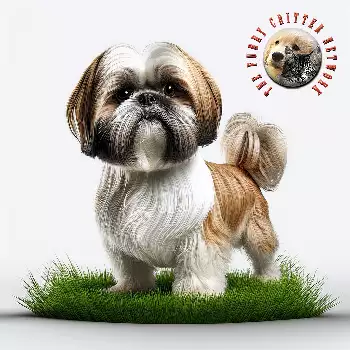
The Shih Tzu is a small, sturdy toy breed that stands between 8 and 11 inches tall at the shoulder and weighs between 9 and 16 pounds. Despite their compact size, these dogs possess a surprisingly solid, well-built body with good substance and bone. The breed's Chinese name translates to lion dog, reflecting its resemblance to the lion as depicted in traditional Oriental art. The Shih Tzu carries itself with an arrogant, confident bearing and displays a distinctly proud carriage with head held high and tail curved gracefully over the back. The breed's most striking feature is its luxurious, flowing double coat, which grows continuously and can reach floor length if not trimmed. The dense, abundant coat has a soft, slightly wavy texture and requires daily grooming to prevent matting and tangling. All colors and markings are acceptable in the breed standard, though a white blaze on the forehead and white tip on the tail are highly prized. Many owners opt for a shorter puppy clip for easier maintenance while still preserving the breed's characteristic charm. The long hair on the head is typically tied up in a topknot to keep it out of the eyes. The Shih Tzu's face is flat and brachycephalic, featuring large, round, dark eyes set wide apart that convey a warm, sweet, trusting expression. The short, square muzzle is set no more than one inch from the stop to the tip of the nose, with nostrils that should be broad and open. The breed has a distinctive undershot bite where the lower jaw extends slightly beyond the upper jaw, which is considered correct for the breed. Ears are large, set slightly below the crown of the head, and hang heavily covered with long hair. The tail is set high and carried in a curved arc over the back, covered with a long, flowing plume.
Key Characteristics
Temperament Temperament Temperament Temperament Temperament Temperament The Shih Tzu's playful nature and love of games make them entertaining companions who retain their puppy-like joy throughout their lives. They enjoy short play sessions interspersed with longer rest periods, perfectly content to spend hours on their owner's lap. The breed generally gets along well with children who handle them gently and respectfully, though their small size makes them vulnerable to injury from rough play. Due to their flat faces, Shih Tzus are sensitive to heat and should be protected from extreme temperatures. Their greatest need is companionship, and they do not do well when left alone for extended periods, potentially developing separation anxiety or undesirable behaviors.
Health Considerations Health Considerations Health Considerations Health Considerations Health Considerations Health Considerations Ear infections occur frequently in Shih Tzus because their floppy, heavily furred ears trap moisture and debris. Regular ear cleaning and keeping the ear canal dry help prevent infections. Renal dysplasia, a developmental kidney disease, has been identified in the breed and can range from mild to severe. The skin folds on the face require regular cleaning to prevent infection and irritation. Intervertebral disc disease can affect Shih Tzus, causing back pain and potentially paralysis. Hip dysplasia, allergies, and thyroid problems round out the list of conditions to monitor. Selecting a puppy from health-tested parents and maintaining regular veterinary care help ensure the healthiest possible life.
Important to Remember
Each hybrid dog is unique and may inherit any combination of traits from either parent breed. The information above represents the characteristics of the purebred parent breeds. Your Tzu Basset may favor one parent over the other or display a blend of both. We strongly encourage you to read the complete breed profiles for both the Basset Hound and Shih Tzu to fully understand the range of possible temperaments, health concerns, and care requirements.