Toy Foxker
The Toy Foxker is a cross between the Cocker Spaniel and the Toy Fox Terrier. Because each hybrid inherits a unique combination of traits from both parents, we recommend thoroughly researching both breeds before choosing a Toy Foxker. Pay special attention to temperament, health issues, and care requirements, as your dog may express characteristics from either parent breed.
Cocker Spaniel
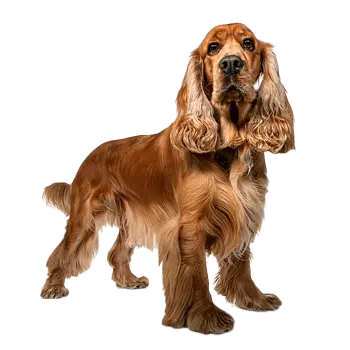
The American Cocker Spaniel is the smallest member of the sporting group, presenting a compact, sturdy, and well-balanced body that combines athletic ability with refined elegance. Males stand between 14.5 and 15.5 inches tall at the shoulder and typically weigh between 25 and 30 pounds, while females are slightly smaller at 13.5 to 14.5 inches and 20 to 25 pounds. The breed's silhouette reveals a slightly sloping topline from the withers to the muscular hindquarters, creating a smooth, flowing outline that suggests both strength and agility. The chest is deep and well-developed, providing ample heart and lung capacity that reflects the breed's sporting heritage as a woodcock hunter. The Cocker Spaniel's coat is perhaps its most distinguishing feature, consisting of a silky, flat or slightly wavy double coat that requires considerable grooming attention. The hair is short and fine on the head, while medium to long on the body, with abundant feathering on the ears, chest, abdomen, and legs that creates the breed's characteristic flowing appearance. The long, lobular ears are set low on the skull and covered with luxurious silky fur that frames the face beautifully. The breed comes in over twenty recognized colors organized into three varieties: Black variety including solid black and black with tan points; ASCOB variety meaning Any Solid Color Other than Black, encompassing buff, cream, red, chocolate, and silver shades; and Parti-color variety featuring white combined with patches of any other color including roans and tricolors. The head of the Cocker Spaniel is rounded and refined, with a well-developed skull and a broad, deep muzzle of medium length. The eyes are one of the breed's most appealing features, being large, round, and dark brown in color with a soft, intelligent, and gentle expression that has earned them the description of dreamy or soulful. The nose is large with well-developed nostrils, and should be black or brown depending on coat color. The breed carries its tail, which was historically docked but is now often left natural, in line with the topline or slightly above when in motion. The feet are compact and round with thick pads and well-arched toes, enabling the quick, efficient movement essential for fieldwork.
Key Characteristics
Temperament Temperament Temperament Temperament Temperament Temperament The Cocker Spaniel's sensitive and people-oriented nature, while endearing, can present certain challenges. The breed is prone to separation anxiety when left alone for extended periods and may develop destructive behaviors or excessive barking if their emotional needs are not met. Some individual Cocker Spaniels may be timid or nervous if not adequately socialized during puppyhood, making early exposure to various people, places, and experiences essential for developing confidence. The breed can also be somewhat reserved with strangers initially, though they typically warm up quickly once they sense friendly intentions. Their gentle nature makes them suitable therapy dogs, and many Cocker Spaniels serve successfully in this capacity.
Health Considerations Health Considerations Health Considerations Health Considerations Health Considerations Health Considerations Beyond ocular concerns, Cocker Spaniels may experience several other health issues. Hip dysplasia, though less common than in larger breeds, can affect mobility and comfort. Patellar luxation, where the kneecap slips out of position, occurs in some individuals. Dilated cardiomyopathy, a heart condition that has been linked to taurine deficiency in the breed, requires monitoring of cardiac health and appropriate nutrition. Hypothyroidism, where the thyroid gland produces insufficient hormones, can cause weight gain, lethargy, and skin problems. The breed is prone to allergies, both environmental and food-related, which may manifest as skin irritation, ear problems, or gastrointestinal upset. Obesity is a significant concern, as Cocker Spaniels have hearty appetites and will readily overeat if portions are not carefully controlled.
Toy Fox Terrier

The Toy Fox Terrier is a small, well-balanced toy breed with an athletic and muscular build that belies its diminutive size. Standing between 8.5 to 11.5 inches tall at the shoulder and weighing between 3.5 to 9 pounds, with most individuals falling in the 4 to 7 pound range, this breed presents a square proportion where the body length from forechest to rump equals the height at the withers. Males appear slightly more substantial in size and mass, displaying a masculine quality, while females present a more refined and feminine appearance. The breed possesses sturdy substance with medium bone structure, creating an elegant yet robust silhouette that reflects both its terrier heritage and toy classification. The coat of the Toy Fox Terrier is short, fine, smooth, and satiny to the touch, lying close to the body with slightly longer hair at the ruff around the neck. This single coat sheds moderately and requires minimal grooming, making it relatively easy to maintain. The breed's coloring is predominantly white, with at least fifty-one percent of the body being white or ticked. Acceptable color patterns include tricolor combinations of black, tan, and white, as well as white and tan, white and black, and chocolate variations. The head must be predominantly colored with markings covering both ears and eyes, and blazes on the face are permissible as long as they do not touch the ears or eyes. Distinctive physical features include large, erect V-shaped ears set high on the head and positioned close together without touching, giving the breed its characteristic alert expression. The eyes are prominent, round, and dark in color, conveying intelligence and curiosity. The skull is slightly rounded with flat, muscular cheeks, and the muzzle is strong and proportionate to the head with a scissor bite. The nose is black in most color varieties, though chocolate-colored dogs have self-colored noses. The breed carries a short, high-set tail that adds to its balanced, athletic appearance and confident carriage.
Key Characteristics
Temperament Temperament Temperament Temperament Temperament Temperament Socialization from an early age is essential for the Toy Fox Terrier to develop into a well-rounded adult. While generally friendly and good-natured with family members, they can be unpredictable around other dogs and may display same-sex aggression. The breed typically gets along well with children who understand how to interact respectfully with small dogs, though their diminutive size makes them vulnerable to accidental injury from rough handling. Toy Fox Terriers are adaptable to various living situations, including apartments, provided they receive adequate mental stimulation and physical exercise to channel their abundant energy constructively.
Health Considerations Health Considerations Health Considerations Health Considerations Health Considerations Health Considerations Eye conditions represent another area of concern for Toy Fox Terrier health. Primary lens luxation, where the lens of the eye becomes displaced from its normal position, can lead to glaucoma and vision loss if not treated promptly. The breed may also be affected by spinocerebellar ataxia, a progressive neurological condition that affects coordination and movement. Due to their small size and fine coat, Toy Fox Terriers can be susceptible to demodectic mange, a skin condition caused by mites. Regular dental care is particularly important for this breed, as toy breeds are especially prone to periodontal disease and tooth loss. Owners should establish a routine of dental hygiene and schedule regular veterinary dental examinations to maintain oral health throughout the dog's life.
Important to Remember
Each hybrid dog is unique and may inherit any combination of traits from either parent breed. The information above represents the characteristics of the purebred parent breeds. Your Toy Foxker may favor one parent over the other or display a blend of both. We strongly encourage you to read the complete breed profiles for both the Cocker Spaniel and Toy Fox Terrier to fully understand the range of possible temperaments, health concerns, and care requirements.