Toy Fo-Tzu
The Toy Fo-Tzu is a cross between the Shih Tzu and the Toy Fox Terrier. Because each hybrid inherits a unique combination of traits from both parents, we recommend thoroughly researching both breeds before choosing a Toy Fo-Tzu. Pay special attention to temperament, health issues, and care requirements, as your dog may express characteristics from either parent breed.
Shih Tzu
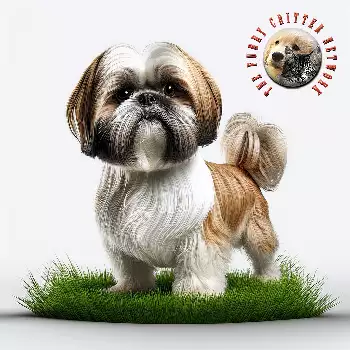
The Shih Tzu is a small, sturdy companion dog with a distinctive appearance that reflects its ancient Chinese heritage as a treasured palace dog. This breed stands between eight and eleven inches at the shoulder, with the ideal height being nine to ten and a half inches, and weighs between nine and sixteen pounds. Regardless of size, the Shih Tzu should always appear compact, solid, and carry good weight and substance. The body is slightly longer than it is tall, giving the breed a well-proportioned appearance that should never look leggy or dumpy. The body features a broad, deep chest with good spring of rib, a level topline, and a high-set, heavily plumed tail carried in a graceful curve over the back. The breed's most striking feature is its luxurious double coat, which is dense, long, and flowing throughout the body. All coat colors and markings are permissible and considered equally acceptable by breed standards, from solid shades to parti-colors and everything in between. The coat requires regular grooming to maintain its beauty and prevent matting, though many pet owners opt to keep their Shih Tzus in shorter, more manageable clips for easier maintenance. The hair characteristically grows upward on the face, creating the chrysanthemum-like appearance that gives the breed one of its distinctive nicknames. Proper coat care includes daily brushing for dogs kept in full coat. The head is round and broad with a well-defined stop and a short, square muzzle that is unwrinkled with good cushioning, set no lower than the bottom eye rim. The skull is distinctively domed, and the large, round eyes are set wide apart, displaying a warm, sweet, and trusting expression that is characteristic of the breed. The eyes are dark in most color varieties but may be lighter in liver or blue pigmented dogs, with nose, lips, and eye rims matching the pigmentation. The ears are large, set slightly below the crown of the skull, and heavily coated, blending seamlessly with the neck and body coat. The Shih Tzu moves with a smooth, flowing, effortless gait that demonstrates good front reach and equally strong rear drive, moving straight with the head held naturally high.
Key Characteristics
Temperament Temperament Temperament Temperament Temperament Temperament Shih Tzus are known for their gentle, patient nature, which makes them suitable companions for families with children, though interactions should be supervised due to the breed's small size to prevent accidental injury. They respond well to positive training methods, though they can occasionally display an independent streak that requires patience, consistency, and gentle encouragement. The breed's calm indoor demeanor combined with their deeply affectionate nature makes them excellent apartment dogs and ideal companions for those seeking a loyal, loving pet that provides constant companionship without demanding excessive exercise or outdoor activity.
Health Considerations Health Considerations Health Considerations Health Considerations Health Considerations Health Considerations Brachycephalic obstructive airway syndrome is another significant concern, affecting the breed's respiratory function to varying degrees depending on individual anatomy. The shortened skull structure can compromise breathing, particularly during exercise, excitement, or in warm weather conditions. Shih Tzus typically have a life expectancy of eleven to twelve years, though many individuals live longer with attentive care and regular veterinary monitoring. Regular veterinary examinations are essential for early detection and management of breed-specific conditions. Prospective owners should select puppies from responsible breeders who prioritize health testing and aim for more moderate facial structure to reduce the risk of severe brachycephalic-related complications.
Toy Fox Terrier

The Toy Fox Terrier is a well-balanced toy dog that displays an athletic appearance combining grace and agility with surprising strength and stamina for its size. This distinctly American breed stands between eight and a half to eleven and a half inches at the shoulder, with nine to eleven inches being preferred, and typically weighs between three and a half to seven pounds. The breed presents a square proportion with height being approximately equal to length measured from point of shoulder to buttocks, and its lithe, muscular body creates a smooth, elegant outline that conveys the impression of effortless movement and endless endurance. The Toy Fox Terrier is naturally well-groomed, proud, animated, and alert, with a self-assured bearing befitting its terrier heritage. The coat is short, fine, and smooth with a satiny texture, featuring a slightly longer ruff around the neck that adds refinement to the breed's elegant appearance. The glossy sheen of the coat enhances the breed's athletic silhouette and requires minimal maintenance, needing only occasional brushing to remove loose hair. The predominantly white body features distinct color patterns on the head, with accepted varieties including tricolor with black and tan markings, white and tan, and white and black combinations. The American Kennel Club also accepts white, chocolate, and tan. The body should be more than fifty percent white with or without colored markings, while the head should be predominantly solid colored. Characteristic traits include an elegant head with a slightly rounded skull that tapers gently toward the muzzle, V-shaped erect ears set high and close together, and large, round, dark eyes that display an alert and intelligent expression reflecting the breed's keen awareness. The muzzle is strong and proportionate to the head with a scissors bite and black nose in most color varieties. The breed features a short, high-set tail that is traditionally docked in countries where the practice remains legal, carried erect as a sign of the breed's confident attitude. The Toy Fox Terrier moves with a smooth, flowing gait that is both swift and agile, covering ground efficiently while reflecting its terrier heritage and athletic build. Despite its diminutive stature, this breed maintains the muscular definition and athletic capability expected of a true terrier.
Key Characteristics
Temperament Temperament Temperament Temperament Temperament Temperament Toy Fox Terriers make wonderful companions for various households, including those with disabled individuals, as their trainability and attentive nature suit them well for assistance work. They are said to make great companions for owners with a good sense of humor who appreciate their entertaining antics. The breed tends not to bark excessively when properly trained, though they remain alert watchdogs. While perhaps not as hyperactive as some other terrier breeds, they retain the terrier's zest for life and require mental stimulation to prevent boredom. Their devoted nature means they thrive on close interaction with their families and can become deeply attached to their primary caretaker.
Health Considerations Health Considerations Health Considerations Health Considerations Health Considerations Health Considerations Due to their small size, Toy Fox Terriers require careful handling to prevent injuries from falls or being stepped on. They do not tolerate cold weather well and may need protection during winter months. The breed can have food sensitivities, with some individuals being allergic to corn, wheat, fillers, and beet pulp. Dental care is particularly important in toy breeds, as they are prone to dental problems including tartar buildup and tooth decay. Regular veterinary checkups, appropriate vaccinations, and preventive care help ensure these spirited companions enjoy long, healthy lives.
Important to Remember
Each hybrid dog is unique and may inherit any combination of traits from either parent breed. The information above represents the characteristics of the purebred parent breeds. Your Toy Fo-Tzu may favor one parent over the other or display a blend of both. We strongly encourage you to read the complete breed profiles for both the Shih Tzu and Toy Fox Terrier to fully understand the range of possible temperaments, health concerns, and care requirements.