Toy Chisoxy
The Toy Chisoxy is a cross between the Toy Fox Terrier and the Chihuahua. Because each hybrid inherits a unique combination of traits from both parents, we recommend thoroughly researching both breeds before choosing a Toy Chisoxy. Pay special attention to temperament, health issues, and care requirements, as your dog may express characteristics from either parent breed.
Toy Fox Terrier

The Toy Fox Terrier is an elegant, athletic small dog that successfully combines the spirited nature of a terrier with the companionable qualities of a toy breed. Standing between 8.5 and 11.5 inches at the shoulder, with 9 to 11 inches being preferred, and weighing between 3.5 and 7 pounds, this breed presents a well-proportioned, muscular silhouette despite its diminutive size. The body is square to slightly taller than long, with a level topline and a chest that extends to the elbow. Strong, straight legs support the well-balanced frame, while the fine-boned structure maintains the elegance expected in a toy breed without appearing fragile or overly delicate. The Toy Fox Terrier's coat is one of its most striking features, being short, satiny, and fine in texture with a characteristic shine that reflects the breed's excellent health and condition. The predominantly white body provides a crisp backdrop for colored markings concentrated on the head. Accepted color patterns include tricolor with a black head showing clear tan markings on the cheeks and dots above the eyes, white and tan with a predominantly tan head, white and black with a predominantly black head, and white chocolate and tan. Body spots matching the head color may occur but the body should remain more than fifty percent white. The head coloring should not exceed fifty percent white, and blazes should not touch the eyes or ears. The head is elegant yet strong, with a slightly rounded skull and a moderate stop. The muzzle is strong and tapers slightly toward the nose, which is black except in chocolate dogs where it may be self-colored. Dark, round eyes are set well apart and convey an intelligent, alert expression that captures the breed's lively personality. Large, erect ears are V-shaped, set high, and pointed, standing firmly erect by six months of age. The tail is set high and carried erect, traditionally docked to three-fifths of the original length in countries where docking is permitted, though natural tails are increasingly common. Movement is smooth and flowing with good reach and strong drive, demonstrating the athletic capability that underlies this breed's toy classification.
Key Characteristics
Temperament Temperament Temperament Temperament Temperament Temperament The Toy Fox Terrier's energy level is notably high for a toy breed, reflecting its terrier heritage. These dogs enjoy active play sessions and regular walks but are adaptable enough to thrive in apartments and smaller homes when their exercise needs are met. They possess a playful, comical nature that persists well into adulthood, keeping their families entertained with amusing antics and enthusiastic engagement in games. The breed can be territorial and may not readily accept unfamiliar dogs, though they often do well with other small dogs and cats when properly introduced. Their sensitivity to cold requires protection during cool weather. The Toy Fox Terrier typically lives fifteen years or longer, providing extended companionship for owners who appreciate their unique combination of terrier spirit and toy dog charm.
Health Considerations Health Considerations Health Considerations Health Considerations Health Considerations Health Considerations Congenital hypothyroidism with goiter is a breed-specific condition that can be identified through DNA testing. Affected puppies show developmental abnormalities and characteristic swelling on the underside of the neck. Demodectic mange, a skin condition caused by microscopic mites, can affect Toy Fox Terriers, particularly those with compromised immune systems. The condition may be localized or generalized and typically responds well to treatment. Like many toy breeds, Toy Fox Terriers can be prone to dental disease due to their small mouths and should receive regular dental care throughout their lives. Maintaining a healthy weight is important, as obesity can exacerbate joint problems and contribute to other health issues. Regular veterinary checkups, appropriate health screening of breeding stock, and attentive care help ensure these spirited little dogs enjoy their characteristically long lives.
Chihuahua
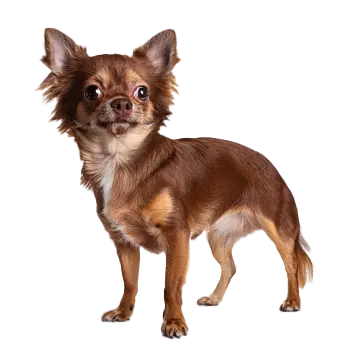
The Chihuahua holds the distinction of being the smallest recognized dog breed in the world, with the American Kennel Club standard specifying that dogs should not exceed six pounds, though many individuals fall between three and six pounds in weight. Despite their diminutive size, Chihuahuas are surprisingly well-balanced and sturdy for their dimensions, standing between 5 and 8 inches at the shoulder. The body is slightly longer than tall, creating an off-square proportion that contributes to the breed's characteristic silhouette. The chest is broad and deep, reaching to the elbows, while the ribs are well-sprung and the topline remains level. The Chihuahua's head is perhaps its most distinctive feature, characterized by a well-rounded apple dome skull that is a hallmark of the breed. The muzzle is moderately short and slightly pointed, with a well-defined stop where it meets the skull. Large, round eyes are set wide apart and project an alert, intelligent expression that captures the breed's spirited personality. Eye color generally corresponds with coat color, though dark eyes are preferred. The ears are large and erect, flaring outward at a 45-degree angle when alert and framing the face in a characteristic manner. Two coat varieties exist within the breed: the smooth coat, which lies close to the body and may have a slight ruff on the neck, and the long coat, which features soft, flat or slightly wavy hair with feathering on the ears, legs, and tail. Chihuahuas come in virtually any color or color combination, including solid, marked, and splashed patterns. Common colors include fawn, black, white, chocolate, cream, and various shades of tan, along with numerous combinations thereof. The tail is moderately long and carried in a sickle shape either up or out, or in a loop over the back with the tip just touching the back. Movement should be swift, with good reach and strong drive while maintaining a level topline. Despite their fragile appearance, well-bred Chihuahuas possess sound structure and can be surprisingly athletic when properly conditioned.
Key Characteristics
Temperament Temperament Temperament Temperament Temperament Temperament Chihuahuas are adaptable companions who can thrive in various living situations, from apartments to larger homes. Their exercise needs are modest, with short daily walks and indoor play sessions typically meeting their physical requirements. The breed is notably sensitive to cold temperatures and often appreciates warm sweaters or jackets in cool weather. While Chihuahuas can coexist with children, they are not ideal for households with very young children whose handling may be too rough for such a small, delicate dog. They often do well with other Chihuahuas and may form close bonds with dogs of similar size, though introductions to other pets should be managed carefully. The breed's tendency toward vocal expression means they can be barky if not trained to moderate this behavior.
Health Considerations Health Considerations Health Considerations Health Considerations Health Considerations Health Considerations Hydrocephalus, an accumulation of fluid in the brain, occurs more commonly in Chihuahuas than in larger breeds, particularly affecting puppies with unusually domed skulls. Tracheal collapse, where the cartilage rings supporting the windpipe weaken and cause breathing difficulties, is another condition seen in the breed. Eye problems including dry eye, corneal ulcers, and glaucoma may develop, especially as dogs age. The molera, a soft spot on the skull similar to a human infant's fontanel, persists in many Chihuahuas throughout life and requires protection from injury. Despite these potential health concerns, Chihuahuas are generally long-lived dogs, with lifespans commonly reaching 12 to 16 years and some individuals living even longer when provided with appropriate veterinary care, proper nutrition, and protection from physical hazards.
Important to Remember
Each hybrid dog is unique and may inherit any combination of traits from either parent breed. The information above represents the characteristics of the purebred parent breeds. Your Toy Chisoxy may favor one parent over the other or display a blend of both. We strongly encourage you to read the complete breed profiles for both the Toy Fox Terrier and Chihuahua to fully understand the range of possible temperaments, health concerns, and care requirements.