Tibetan Wolfhound
The Tibetan Wolfhound is a cross between the Tibetan Mastiff and the Irish Wolfhound. Because each hybrid inherits a unique combination of traits from both parents, we recommend thoroughly researching both breeds before choosing a Tibetan Wolfhound. Pay special attention to temperament, health issues, and care requirements, as your dog may express characteristics from either parent breed.
Tibetan Mastiff
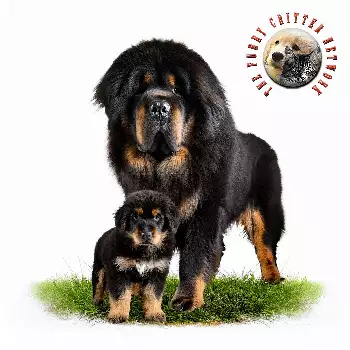
The Tibetan Mastiff is a massive, powerfully built guardian breed that commands attention with its impressive size and noble bearing. Males typically stand at least twenty-six inches at the shoulder and weigh between ninety and one hundred fifty pounds, while females are somewhat smaller at twenty-four to twenty-seven inches and seventy to one hundred twenty pounds. The body is slightly longer than tall, featuring a sturdy bone structure, deep chest, well-sprung ribs, and a level topline with strong, muscular hindquarters. The overall impression is one of substantial power combined with athletic capability. The breed's magnificent double coat is perhaps its most striking feature, lending a bearlike and lion-esque appearance. The outer coat is long, thick, straight, and harsh in texture, while the dense, woolly undercoat provides excellent insulation against extreme temperatures. Males display a particularly abundant coat with a pronounced mane around the neck and shoulders, creating the impression of a flowing lion's mane. The tail and britches are heavily feathered, and the plumed tail curls over the back. Coat colors include black, brown, and blue-gray, all with or without tan markings ranging from light silver to rich mahogany, as well as various shades of gold from pale cream to deep red. White markings on the chest and feet are common. The head of the Tibetan Mastiff is broad, heavy, and strong, with substantial back skull and heavy brow ridges that give an expression of watchfulness and nobility. The eyes are deep-set, almond-shaped, slightly slanted, and express intelligence and alertness in shades of brown. The medium-sized, V-shaped pendant ears hang close to the head. The muzzle is broad, well-padded, and square, with well-developed lips. The neck is muscular and arched, blending into powerful shoulders. The overall expression conveys dignity, strength, and quiet confidence.
Key Characteristics
Temperament Temperament Temperament Temperament Temperament Temperament The breed's nocturnal nature reflects their historical role as nighttime sentries, and they tend to be more active and alert during evening hours. They may bark at night at unidentified sounds, which should be considered before choosing this breed in neighborhoods with close neighbors. Tibetan Mastiffs require thorough socialization from puppyhood to help them distinguish between genuine threats and normal visitors. They can be excellent family dogs with proper guidance, displaying patience and gentleness with children in their own household, though their size requires supervision around small children. They typically tolerate other dogs in their family but may display dominance toward unfamiliar dogs.
Health Considerations Health Considerations Health Considerations Health Considerations Health Considerations Health Considerations The breed may also experience canine inherited demyelinative neuropathy, a serious neurological condition that appeared in some breeding lines. Other concerns include dental disease, seizures, epilepsy, skin allergies, autoimmune conditions, and a bleeding disorder called hemophilia. Some dogs may be prone to obesity, which exacerbates joint problems and other health issues. The thick double coat requires regular grooming and the breed does not tolerate heat well, making climate consideration important for potential owners. Regular veterinary checkups, appropriate nutrition designed for giant breeds, controlled exercise during growth phases, and maintaining a healthy weight are essential for the long-term health of these magnificent guardians.
Irish Wolfhound
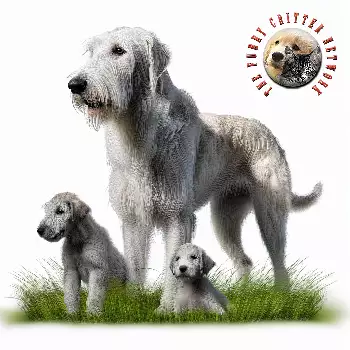
The Irish Wolfhound holds the distinction of being the tallest of all dog breeds, presenting a commanding presence that has inspired literature, poetry, and mythology throughout history. Males stand at a minimum of thirty-two inches at the shoulder and weigh at least one hundred twenty pounds, with many reaching thirty-four to thirty-five inches and weighing between one hundred forty and one hundred eighty pounds. Females are slightly smaller, standing at least thirty inches tall and weighing over one hundred five pounds. Despite their enormous size, these dogs are gracefully built with a general greyhound-like appearance, combining remarkable power and swiftness. The body structure reflects the breed's heritage as a coursing hound capable of pursuing and dispatching large game including wolves. The legs are long and straight with heavy bone, the body is comparatively narrow, the loin slightly arched, the chest deep, and the waist moderately small. The neck is rather long, muscular, and well-arched, carried high to give a dignified bearing. The head is long and level, not too broad, with a slightly raised frontal bone and very little indentation between the eyes. The muzzle is long and moderately pointed, with a black nose and lips. The eyes are dark, elliptical, and full, expressing a gentle yet alert intelligence beneath distinctive long eyebrows. The rough, wiry double coat is a defining characteristic of the breed, being particularly long over the eyes and on the underjaw, creating the distinctive beard that contributes to the breed's noble expression. The harsh outer coat provides protection against rough brush and cold, damp weather, while allowing the dog to maintain its elegant silhouette. Accepted colors include gray, brindle, red, black, pure white, fawn, and other colors appearing in the Scottish Deerhound. The tail is long, carried with an upward sweep and a slight curve toward the extremity. Small, rose-shaped ears of fine velvet texture are preferably dark in color.
Key Characteristics
Temperament Temperament Temperament Temperament Temperament Temperament While their great size can serve as a natural deterrent to intruders, Irish Wolfhounds are typically friendly toward strangers and are not reliable guard dogs in the traditional sense. They are generally model citizens with other dogs and pets, showing a peaceful, non-aggressive nature. However, their sighthound heritage means they retain a prey drive and should be supervised around small animals that might trigger their instinct to chase. Training should begin early using positive reinforcement methods, as they are sensitive dogs who respond poorly to harsh corrections. They learn at their own deliberate pace and may not excel in snap-to-it obedience, but their intelligence and desire to please make them trainable with patience and consistency.
Health Considerations Health Considerations Health Considerations Health Considerations Health Considerations Health Considerations Other health concerns include hip and elbow dysplasia, liver shunt (a developmental disorder puppies should be screened for before placement), von Willebrand's disease (a bleeding disorder), progressive retinal atrophy, and pneumonia. The breed's rapid growth as puppies makes them prone to orthopedic injuries and developmental issues, requiring careful management of nutrition and exercise during their formative months. Hypothyroidism and various autoimmune conditions may also occur. Due to the prevalence of serious health conditions, pet insurance is often recommended for Irish Wolfhound owners. Regular veterinary monitoring, appropriate giant-breed nutrition, controlled exercise during growth, and cardiac screening are essential components of care for these gentle giants.
Important to Remember
Each hybrid dog is unique and may inherit any combination of traits from either parent breed. The information above represents the characteristics of the purebred parent breeds. Your Tibetan Wolfhound may favor one parent over the other or display a blend of both. We strongly encourage you to read the complete breed profiles for both the Tibetan Mastiff and Irish Wolfhound to fully understand the range of possible temperaments, health concerns, and care requirements.