Tibetan Pap
The Tibetan Pap is a cross between the Tibetan Spaniel and the Papillon. Because each hybrid inherits a unique combination of traits from both parents, we recommend thoroughly researching both breeds before choosing a Tibetan Pap. Pay special attention to temperament, health issues, and care requirements, as your dog may express characteristics from either parent breed.
Tibetan Spaniel

The Tibetan Spaniel is a small, well-balanced dog that carries itself with an air of elegance and dignity despite its diminutive stature. Standing approximately 10 inches tall at the shoulder and weighing between 9 and 15 pounds, this breed has a slightly longer body than it is tall, creating a rectangular silhouette that is characteristic of the breed. The head is small in proportion to the body and features a gently domed skull with a moderate stop. The muzzle is of medium length, blunt, and free from wrinkles, giving the face an expressive and intelligent appearance that seems to constantly assess its surroundings. The wide-set, oval-shaped eyes are dark brown and full of expression, while the medium-sized pendant ears are set fairly high and hang close to the cheeks with delicate feathering. One of the Tibetan Spaniel's most distinctive features is its beautiful double coat, consisting of a soft, dense undercoat and a silky, moderately long outer coat. The coat lies flat against the body and is shorter on the face and front of the legs, requiring moderate maintenance. Males typically display a more impressive mane around the neck and shoulders than females, lending them a lion-like appearance that earned the breed the nickname 'little lion' in their native Tibet where they served Buddhist monasteries for centuries. Feathering adorns the ears, backs of the forelegs, tail, and buttocks, adding to the breed's elegant presentation. Tibetan Spaniels come in all colors and color combinations, including gold, cream, red, fawn, white, black, black and tan, sable, and parti-colors. White markings are common and accepted in the breed standard without preference. The tail is set high, richly plumed, and carried in a joyful curl over the back when the dog is in motion, adding to their distinctive silhouette. The breed moves with a quick, free gait, often described as an elegant prance that reflects their confident and somewhat regal bearing. Their expressive faces seem to constantly observe their surroundings with keen interest and intelligence.
Key Characteristics
Temperament Temperament Temperament Temperament Temperament Temperament Tibetan Spaniels are intelligent and sensitive dogs that respond well to their owner's moods and emotions. They have an independent streak that is characteristic of the breed and may occasionally choose to follow their own agenda rather than comply with commands. This is not stubbornness in the traditional sense but rather reflects their self-assured nature. Training should be conducted with patience, consistency, and positive reinforcement methods. They thrive in homes where they receive plenty of companionship and do not do well when left alone for extended periods. The breed generally gets along well with other dogs and pets when properly socialized.
Health Considerations Health Considerations Health Considerations Health Considerations Health Considerations Health Considerations Portosystemic shunt, a liver condition where blood bypasses the liver rather than flowing through it for proper detoxification, has been identified in the breed and can cause neurological symptoms, poor growth, and other serious health problems. Some Tibetan Spaniels may be affected by neuronal ceroid lipofuscinosis, a rare inherited neurological disorder. Responsible breeders screen their dogs for eye conditions and patellar luxation and can provide health clearances for their breeding stock. Regular veterinary checkups, maintaining a healthy weight, and proper dental care are essential for keeping these charming companions healthy throughout their long lives.
Papillon
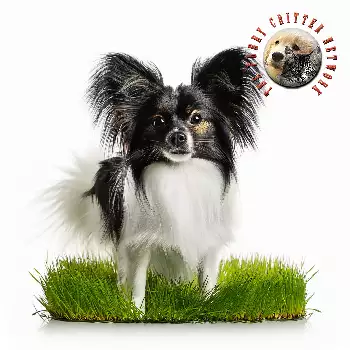
The Papillon is a dainty, elegant toy breed that captivates admirers with its distinctive butterfly-like ears and graceful appearance. Standing 8 to 11 inches tall at the shoulder and weighing between 5 and 10 pounds, this breed is fine-boned yet surprisingly sturdy for its delicate appearance. The body is slightly longer than it is tall, with a level topline and a chest of medium depth. The breed's movement is free, quick, and graceful, reflecting an athleticism that belies its fragile look. The Papillon carries itself with an alert, confident bearing that hints at its keen intelligence. The breed's most striking feature is its large, wing-like ears that resemble the outstretched wings of a butterfly, which is how the breed earned its French name meaning 'butterfly.' These ears are set on the corners of the head and are heavily fringed with silky hair. A variety of the breed known as the Phalène, meaning 'moth' in French, carries its ears in a dropped position. The head is small with a fine, slightly rounded skull, and the muzzle is thin and tapered, ending in a small black nose. The eyes are dark, round, and alert, contributing to the breed's expression of intelligence and curiosity. The Papillon's coat is long, fine, silky, and flowing, with no undercoat. The hair lies flat on the back and sides, while abundant frilling adorns the chest. The ears are covered with long, flowing hair, and the backs of the forelegs feature feathering. The tail is set high, arched over the body, and plumed with a long flow of hair. Coat color is white with patches of any color, with the most common markings including black, red, orange, lemon, and sable. A white blaze extending between the eyes and down the muzzle is preferred and adds symmetry to the butterfly appearance of the head.
Key Characteristics
Temperament Temperament Temperament Temperament Temperament Temperament Papillons are highly adaptable dogs that can thrive in various living situations, from apartments to large homes, as long as they receive sufficient attention and activity. They generally get along well with children, other dogs, and even cats when properly socialized from a young age. However, their small size makes them somewhat fragile, and interactions with young children should be supervised to prevent accidental injury. These sociable dogs do not tolerate being left alone for extended periods and may develop separation anxiety. They form strong bonds with their families and often become particularly devoted to one person, following them from room to room and seeking constant companionship.
Health Considerations Health Considerations Health Considerations Health Considerations Health Considerations Health Considerations Papillons may be affected by von Willebrand disease, a bleeding disorder caused by deficient clotting proteins in the blood. This condition can lead to excessive bleeding from minor injuries or during surgical procedures. Tracheal collapse, where the cartilage rings supporting the windpipe weaken and cause breathing difficulties, is another concern in toy breeds. Some Papillons may experience seizure disorders or hypoglycemia, particularly as puppies when they may have difficulty regulating blood sugar levels. Open fontanels, where the soft spot on the skull fails to close completely, can occur in some individuals. Working with a reputable breeder who conducts health testing and maintaining regular veterinary care are essential for ensuring these elegant companions live long, healthy lives.
Important to Remember
Each hybrid dog is unique and may inherit any combination of traits from either parent breed. The information above represents the characteristics of the purebred parent breeds. Your Tibetan Pap may favor one parent over the other or display a blend of both. We strongly encourage you to read the complete breed profiles for both the Tibetan Spaniel and Papillon to fully understand the range of possible temperaments, health concerns, and care requirements.