Taylor's Bulldane
The Taylor's Bulldane is a cross between the Old Tyme Bulldog and the Great Dane. Because each hybrid inherits a unique combination of traits from both parents, we recommend thoroughly researching both breeds before choosing a Taylor's Bulldane. Pay special attention to temperament, health issues, and care requirements, as your dog may express characteristics from either parent breed.
Old Tyme Bulldog

The Old Tyme Bulldog is a medium-sized, well-proportioned breed that was developed to recreate the athletic bulldog type from earlier centuries while maintaining improved health and functionality compared to modern flat-faced varieties. Males typically stand between 19 and 21 inches at the shoulder and weigh between 60 and 90 pounds, while females are slightly smaller, measuring between 17 and 19 inches and weighing between 50 and 70 pounds. The breed possesses a strong, stocky, muscular physique that projects power and athleticism without the exaggerated features that cause health problems in some modern bulldog varieties, allowing these dogs to breathe easily and move freely. The Old Tyme Bulldog features a distinctive head with a slightly shortened muzzle that is nonetheless noticeably longer than the extremely flat face seen in English Bulldogs, allowing for significantly improved breathing capability. The skull is broad with prominent cheeks, strong undershot jaws designed for efficient biting power, and a well-defined stop between the forehead and muzzle. Rose-shaped ears are set high on the head, and the nose features open nostrils that facilitate better airflow than more brachycephalic breeds. The eyes are medium-sized and set wide apart, contributing to an alert, confident expression that reflects the breed's watchful nature. The coat is short, smooth, and close-lying, similar in texture to that of a Staffordshire Bull Terrier, with a glossy appearance that indicates good health. Acceptable colors include brindle, black, pied variations featuring patches on a white background, blue, slate grey, fawn, and combinations of these colors with white markings. The body is compact and well-muscled with a broad, deep chest providing ample lung capacity, straight well-boned forelegs set wide apart for stability, and powerful hindquarters that provide driving force during movement. The tail may be straight or slightly curved and is typically carried low when at rest, though it may rise when the dog is excited or alert.
Key Characteristics
Temperament Temperament Temperament Temperament Temperament Temperament Old Tyme Bulldogs are adaptable dogs with moderate energy levels, content with daily walks and play sessions without requiring excessive exercise. They are well-suited to family life and enjoy being included in household activities, though they can suffer from separation anxiety if left alone for extended periods. The breed generally gets along well with other dogs when properly socialized, and their low prey drive makes them more tolerant of smaller household pets than some other breeds. Their laid-back attitude combined with their affectionate nature makes them particularly well-suited to homes seeking a devoted, relatively low-maintenance companion.
Health Considerations Health Considerations Health Considerations Health Considerations Health Considerations Health Considerations Additional health concerns include patellar luxation, where the kneecap slides out of its proper position causing lameness, cherry eye involving prolapse of the third eyelid gland, and hyperuricosuria, a condition that predisposes dogs to kidney and bladder stones. Sleep apnea and interdigital cysts between the toes have also been reported in the breed with some frequency. Some Old Tyme Bulldogs may experience skin allergies or atopy requiring dietary management or veterinary care. The breed has a lifespan of approximately nine to fourteen years when provided with proper nutrition, appropriate exercise that does not overtax their respiratory system, and regular veterinary monitoring to catch any developing issues early.
Great Dane
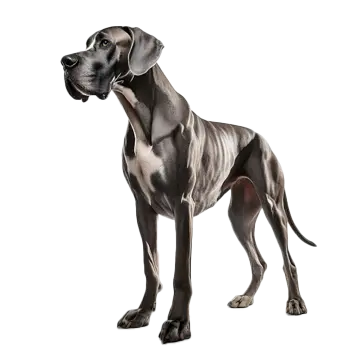
The Great Dane stands as one of the tallest dog breeds in the world, combining impressive size with an elegant, well-balanced appearance that has earned it the nickname Apollo of Dogs in recognition of its regal bearing. Males typically measure between 30 and 34 inches at the shoulder and weigh between 140 and 175 pounds, while females stand between 28 and 32 inches and weigh between 110 and 140 pounds, though individual dogs may exceed these typical ranges. Despite their massive size, Great Danes display a dignified bearing and smooth, powerful movement that conveys both strength and refinement rather than clumsiness. The breed possesses a short, thick, glossy coat that lies close to the body and requires minimal grooming despite the dog's substantial size. Great Danes come in seven show-acceptable colors recognized by major kennel clubs: fawn with a black mask, brindle displaying black stripes over a fawn base with a black mask, solid blue, solid black, harlequin featuring torn black patches irregularly distributed on a pure white base, mantle with a black blanket pattern extending over a white body, and merle displaying a mottled pattern. The coat should appear smooth and sleek, reflecting the breed's healthy condition and proper nutrition, with minimal shedding except during seasonal changes. The head is rectangular, long, and distinguished with a finely chiseled appearance, particularly in the area below the eyes. The skull is flat on top with a strongly pronounced stop where the forehead meets the bridge of the nose, creating the breed's characteristic noble profile. Dark, medium-sized eyes convey an intelligent and alert expression that reflects the breed's attentive nature. Ears are set high and may be cropped to stand erect in countries where this practice remains legal, or left natural to hang close to the cheeks with the front edge lying close to the face. The neck is long, muscular, and elegantly arched, flowing smoothly into well-laid-back shoulders. The body is square in proportion with a short, level back, broad loin, and slightly sloping croup leading to a long tail that is thick at the base and tapers to a point.
Key Characteristics
Temperament Temperament Temperament Temperament Temperament Temperament Despite their imposing size, Great Danes are moderate in energy and relatively calm indoors, often preferring to lounge near their family rather than engage in intense physical activity. They require regular exercise including daily walks but are not as demanding as some working breeds and adapt well to various living situations when their needs are met. Great Danes are prone to separation anxiety due to their strong attachment to their families and prefer not to be left alone for extended periods. They generally get along well with other dogs and household pets when properly socialized from puppyhood, though their size requires supervision around smaller animals to prevent accidental injury during enthusiastic play.
Health Considerations Health Considerations Health Considerations Health Considerations Health Considerations Health Considerations Orthopedic concerns are common in Great Danes due to their massive size and rapid growth rate during puppyhood. Hip dysplasia affects many dogs in the breed, causing joint deterioration and progressive arthritis that reduces quality of life. Wobbler syndrome, a neurological condition affecting the cervical spine, can cause an unsteady gait and neck pain, and is linked to nutritional factors during growth periods. Osteosarcoma, an aggressive and often fatal bone cancer, occurs at higher rates in giant breeds including Great Danes, typically affecting the limbs. Additional health issues documented in the breed include hypothyroidism affecting metabolism, Addison's disease involving adrenal gland function, cataracts, entropion where eyelids roll inward, and degenerative myelopathy affecting the spinal cord. Proper nutrition during growth including large-breed specific puppy food, maintaining healthy weight, and regular veterinary monitoring are essential for maximizing both quality and length of life.
Important to Remember
Each hybrid dog is unique and may inherit any combination of traits from either parent breed. The information above represents the characteristics of the purebred parent breeds. Your Taylor's Bulldane may favor one parent over the other or display a blend of both. We strongly encourage you to read the complete breed profiles for both the Old Tyme Bulldog and Great Dane to fully understand the range of possible temperaments, health concerns, and care requirements.