Taco Terrier
The Taco Terrier is a cross between the Chihuahua and the Toy Fox Terrier. Because each hybrid inherits a unique combination of traits from both parents, we recommend thoroughly researching both breeds before choosing a Taco Terrier. Pay special attention to temperament, health issues, and care requirements, as your dog may express characteristics from either parent breed.
Chihuahua
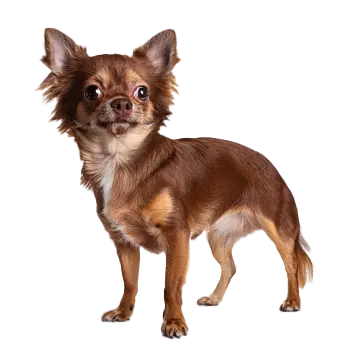
The Chihuahua holds the distinction of being the smallest recognized dog breed in the world, typically standing between five and eight inches at the shoulder and weighing no more than six pounds according to American Kennel Club breed standards. Despite their diminutive size, Chihuahuas possess a compact, well-balanced body that is slightly longer than it is tall, carrying themselves with a confident, terrier-like attitude that belies their tiny stature. The breed displays remarkable variation in appearance, coming in two distinct coat varieties and two head shapes, allowing for considerable diversity within breed standards while maintaining the breed's characteristic sassiness. The smooth coat variety features short, close-lying hair that appears glossy and soft to the touch, while the long coat variety displays longer, flat or slightly wavy hair with distinctive feathering on the ears, chest, legs, and a fully plumed tail. Both coat types come in virtually any color or combination of colors, including solid, marked, and splashed patterns, with fawn, black, white, chocolate, cream, and various combinations being common throughout the breed. The breed standard permits almost all colors except merle in some registries due to health concerns associated with that pattern. A distinctive feature of the breed is the molera, a soft spot on the skull similar to a human infant's fontanel, which may or may not close completely as the dog matures and is considered a breed characteristic. Two distinct head shapes are recognized in the breed, each with devoted followers among Chihuahua enthusiasts. The apple head, which is preferred in show rings, features a well-rounded skull dome with a prominent forehead and a well-defined stop where the muzzle meets the skull. The deer head variety displays a longer muzzle, flatter skull, and more angular features reminiscent of a young deer. Both types share the breed's characteristically large, erect ears that stand at approximately a forty-five-degree angle from the head and prominent, round, expressive eyes that are typically dark but may be lighter in dogs with lighter coat colors such as cream or white.
Key Characteristics
Temperament Temperament Temperament Temperament Temperament Temperament Chihuahuas are energetic dogs that enjoy play sessions and interactive activities with their owners, though their exercise needs are modest compared to larger breeds and can often be met with indoor play and short walks. They can thrive in apartment living when given sufficient mental stimulation and opportunities for activity, making them popular choices for urban dwellers. The breed's sensitive nature means they respond best to gentle, positive training methods and can become anxious or defensive if treated harshly or unpredictably. Chihuahuas typically prefer warm environments and are known for burrowing under blankets and seeking warm spots throughout the house, a trait likely connected to their origins in the warm climate of Mexico.
Health Considerations Health Considerations Health Considerations Health Considerations Health Considerations Health Considerations Additional health concerns for the breed include hypoglycemia, particularly in puppies and very small adults, which can cause weakness, seizures, and collapse if blood sugar levels drop too low and requires immediate intervention with sugar supplementation. Tracheal collapse, a progressive respiratory condition, affects many toy breeds including Chihuahuas, causing a characteristic honking cough and breathing difficulties that may require medical management. Hydrocephalus, the accumulation of fluid in the brain, can occur in puppies and may be associated with the molera soft spot. Heart disease, particularly mitral valve disease, becomes increasingly common as Chihuahuas age. The breed may also experience eye problems including progressive retinal atrophy and issues related to their prominent eyes. Despite these concerns, Chihuahuas often enjoy remarkably long lifespans of twelve to sixteen years or more with proper veterinary care and attentive management.
Toy Fox Terrier

The Toy Fox Terrier is a small, elegantly proportioned breed that combines the athleticism and tenacity of a terrier with the diminutive size of a toy dog. Standing between 8.5 and 11.5 inches at the shoulder and typically weighing between 3.5 and 7 pounds, this breed displays a square, well-balanced build with a level topline and a body that appears athletic and capable despite its small stature. The breed's refined appearance reflects its dual heritage as both a working ratter descended from larger Fox Terriers and a treasured companion bred for its compact size and engaging personality. The coat of the Toy Fox Terrier is distinctive in its short, satiny texture that lies smooth and close to the body, feeling fine and sleek to the touch with a glossy appearance that reflects good health. A slight increase in coat length appears at the ruff around the neck and shoulders, adding to the breed's elegant profile. The predominant body color is white, comprising more than fifty percent of the coat, with a predominantly solid-colored head that may display several recognized patterns including tricolor featuring black and tan markings, white and tan, white and black, or white with chocolate and tan combinations. A white blaze on the face is acceptable and often present according to breed standards. The head is elegant and finely chiseled with a slightly domed skull that tapers toward the muzzle without being snippy or weak. Large, erect, V-shaped ears set high on the head are a distinctive and charming feature of the breed, pointing upward and slightly outward, giving the dog an alert, intelligent appearance. Round, dark eyes express an alert and curious demeanor that reflects the breed's keen awareness of its surroundings and quick mental processing. The muzzle is strong and slightly tapering, with a black nose in most color varieties though chocolate may appear in dogs with chocolate markings. The tail is set high and carried erect, traditionally docked in the United States though natural tails are acceptable and required in many other countries.
Key Characteristics
Temperament Temperament Temperament Temperament Temperament Temperament The breed is highly intelligent and eager to please, traits that make Toy Fox Terriers responsive to training and capable of learning complex commands, tricks, and routines that showcase their quick minds. They excel in activities that engage their intelligence, including obedience, agility, rally, and other dog sports where their speed and enthusiasm shine. However, their terrier heritage can manifest as occasional stubbornness or an independent streak when they become bored or do not see the point of a task, requiring patient, consistent training methods that keep sessions short and interesting. Toy Fox Terriers retain the prey drive of their ratting ancestors and may chase small animals including squirrels and rabbits, a tendency that owners should manage through proper training and supervision during outdoor activities.
Health Considerations Health Considerations Health Considerations Health Considerations Health Considerations Health Considerations Congenital hypothyroidism with goiter is a condition that has been documented in the breed, causing puppies to be born with or develop thyroid deficiency that affects growth, development, and metabolism. Von Willebrand's disease, a blood clotting disorder similar to hemophilia in humans, can also occur in Toy Fox Terriers, potentially causing excessive bleeding following injury, surgery, or even minor cuts. Some dogs in the breed may experience food allergies or intolerances, with sensitivities to ingredients like corn, wheat, and beet pulp being commonly reported by owners. Regular veterinary care, genetic testing of breeding stock, and selecting puppies from health-tested parents can help minimize the risk of these hereditary conditions appearing in future generations.
Important to Remember
Each hybrid dog is unique and may inherit any combination of traits from either parent breed. The information above represents the characteristics of the purebred parent breeds. Your Taco Terrier may favor one parent over the other or display a blend of both. We strongly encourage you to read the complete breed profiles for both the Chihuahua and Toy Fox Terrier to fully understand the range of possible temperaments, health concerns, and care requirements.