Swissy Saint
The Swissy Saint is a cross between the Greater Swiss Mountain Dog and the Saint Bernard. Because each hybrid inherits a unique combination of traits from both parents, we recommend thoroughly researching both breeds before choosing a Swissy Saint. Pay special attention to temperament, health issues, and care requirements, as your dog may express characteristics from either parent breed.
Greater Swiss Mountain Dog

The Greater Swiss Mountain Dog is an impressively large and powerful breed that stands as the oldest and largest of the four Swiss mountain dog varieties, collectively known as the Sennenhunde. Males typically measure between 25.5 and 28.5 inches at the shoulder and weigh between 115 and 140 pounds, while females stand slightly smaller at 23.5 to 27 inches and weigh between 85 and 110 pounds. The breed possesses a sturdy, muscular build with substantial bone structure that reflects its historical role as a versatile working dog capable of pulling heavy carts, herding cattle, and guarding livestock and property in the Swiss Alps. The coat of the Greater Swiss Mountain Dog is notably short and dense, consisting of a double layer that measures approximately one to two inches in thickness and provides protection against harsh mountain weather conditions. The breed displays a distinctive tri-color pattern featuring a jet black base coat with symmetrical rust and white markings that are characteristic of all Swiss mountain breeds. Rust coloring typically appears above the eyes, on the cheeks, on both sides of the chest, on all four legs, and beneath the tail. White markings create a characteristic blaze on the face, run from chin to chest in an inverted cross pattern, and appear on the feet and tail tip. The head is large and flat-topped with a gentle stop and a straight, blunt muzzle that is approximately equal in length to the skull. Dark brown almond-shaped eyes convey an alert and intelligent expression that reflects the breed's attentive nature. Medium-sized triangular ears are set high and hang close to the head when relaxed but may lift slightly at the base when the dog is alert. The body is slightly longer than tall with a broad, deep chest providing ample room for heart and lungs, and well-sprung ribs that extend well back. The tail is thick at the base, tapering gradually to a point, and hangs down in a gentle curve when the dog is at rest but may be carried higher when excited or in motion.
Key Characteristics
Temperament Temperament Temperament Temperament Temperament Temperament The breed demonstrates moderate energy levels, enjoying regular activity and outdoor adventures while also being content to relax with the family at home after adequate exercise. Greater Swiss Mountain Dogs form exceptionally strong bonds with their families and thrive when included in daily activities rather than being left alone or isolated in yards. They generally get along well with other dogs and household pets when properly introduced and socialized from a young age, though supervision is recommended due to their size. Their protective instincts make them naturally watchful over their territory and loved ones, and they may be reserved with strangers until properly introduced.
Health Considerations Health Considerations Health Considerations Health Considerations Health Considerations Health Considerations Additional health concerns include epilepsy, which can cause recurring seizures of varying severity, and osteochondritis dissecans, a developmental joint condition affecting cartilage formation in growing puppies. Female Greater Swiss Mountain Dogs may be prone to urinary incontinence, particularly following spaying procedures. Degenerative joint disease becomes increasingly common as these dogs age. The breed has an average lifespan of eight to eleven years, which is reasonable for dogs of this size. Regular veterinary checkups, maintaining a healthy weight through proper diet and exercise, and feeding multiple smaller meals rather than one large meal daily can help manage some of these health risks effectively.
Saint Bernard
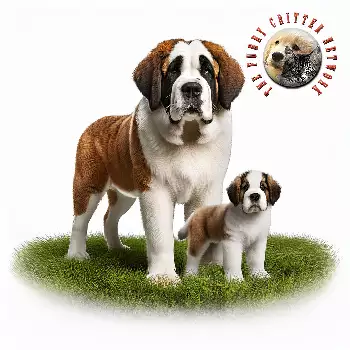
The Saint Bernard is one of the most recognizable giant breeds in the world, possessing an imposing yet gentle presence that reflects its heritage as an Alpine rescue dog. Males typically stand between 28 and 30 inches at the shoulder and weigh between 140 and 180 pounds, while females measure 26 to 28 inches and weigh between 120 and 140 pounds, though individual dogs may exceed these typical ranges. The breed's powerful, muscular build enabled it to perform the demanding rescue work for which it became famous at the Great St. Bernard Hospice in the Swiss Alps, where monks bred these dogs to locate and assist travelers lost in treacherous mountain passes. Saint Bernards come in two distinct coat varieties that share similar coloration but differ significantly in length and texture. The shorthaired variety features a smooth, dense coat that lies close to the body with slightly longer hair on the thighs and a bushy tail. The longhaired variety displays a medium-length coat that is slightly wavy but never curly or shaggy, with feathering on the legs and a magnificent plumed tail. Both types possess a thick undercoat that provides essential insulation against cold temperatures. The accepted color patterns include red and white or brindle and white, with white markings required on the chest, feet, tail tip, noseband, and collar or spot on the nape. The massive head is the breed's most distinctive feature, displaying a broad skull, short powerful muzzle with pronounced stop, and characteristically wrinkled forehead that creates an expression of wisdom and benevolence. Dark eyes have a gentle, intelligent look, while medium-sized ears are set high and hang close to the cheeks with a slightly rounded tip. The breed's prominent jowls and substantial dewlaps contribute to the signature drooling for which Saint Bernards are well known, particularly after eating or drinking. The body is balanced and heavily muscled with a broad back, deep chest with well-sprung ribs, and powerful hindquarters that provide the strength needed for mountain work.
Key Characteristics
Temperament Temperament Temperament Temperament Temperament Temperament Saint Bernards are known for their strong desire to be with their family members and thrive on companionship and inclusion in household activities rather than being left isolated in yards. They are typically easygoing and adaptable, content with moderate exercise and plenty of time relaxing near their loved ones. The breed generally gets along well with other dogs and household pets when properly socialized from an early age. Mental maturity develops slowly in Saint Bernards, with many not reaching full emotional adulthood until two to three years of age, during which time they may retain puppy-like exuberance and playfulness despite their considerable size and strength.
Health Considerations Health Considerations Health Considerations Health Considerations Health Considerations Health Considerations Heart conditions are another significant concern for Saint Bernards, with dilated cardiomyopathy being particularly prevalent in the breed. This progressive disease causes the heart muscle to weaken and enlarge, eventually leading to heart failure if left untreated. Osteosarcoma, an aggressive bone cancer, occurs at elevated rates in giant breeds including the Saint Bernard and typically affects the limbs. Additional health issues affecting the breed include eye problems such as entropion and ectropion where the eyelids roll inward or outward, wobbler syndrome affecting the cervical spine, laryngeal paralysis causing breathing difficulties, polyneuropathy, panosteitis in growing dogs, degenerative myelopathy, and cruciate ligament deficiency. The breed has an average lifespan of eight to ten years, with regular veterinary care and health monitoring essential for maintaining quality of life.
Important to Remember
Each hybrid dog is unique and may inherit any combination of traits from either parent breed. The information above represents the characteristics of the purebred parent breeds. Your Swissy Saint may favor one parent over the other or display a blend of both. We strongly encourage you to read the complete breed profiles for both the Greater Swiss Mountain Dog and Saint Bernard to fully understand the range of possible temperaments, health concerns, and care requirements.