Standard Ratzer
The Standard Ratzer is a cross between the Standard Schnauzer and the Rat Terrier. Because each hybrid inherits a unique combination of traits from both parents, we recommend thoroughly researching both breeds before choosing a Standard Ratzer. Pay special attention to temperament, health issues, and care requirements, as your dog may express characteristics from either parent breed.
Standard Schnauzer

The Standard Schnauzer presents a robust, square-built frame that positions it ideally between its larger Giant Schnauzer and smaller Miniature Schnauzer cousins. Standing between 17.5 and 19.5 inches at the shoulder, males typically weigh 35 to 50 pounds while females range from 30 to 45 pounds. The breed exhibits a muscular, athletic build designed for agility and endurance, with a body length roughly equal to its height creating that characteristic square silhouette. The strong, arched neck flows into well-laid-back shoulders, supporting powerful movement whether trotting across a field or navigating an agility course. Their medium size made them versatile farm dogs capable of herding livestock, guarding property, and eliminating vermin with equal proficiency. The breed's most distinguishing features are its wiry double coat and iconic facial furnishings. The outer coat is dense, harsh, and rough to the touch, standing slightly away from the body, while the undercoat remains soft and thick for insulation. Accepted colors include pepper and salt, featuring banded hairs that create a distinctive gray appearance, and solid black. The prominent eyebrows arch dramatically over dark, oval-shaped eyes that convey an alert and intelligent expression. The hallmark bushy beard and mustache frame a strong, blunt muzzle, giving the breed its unmistakable dignified yet spirited appearance. The facial furnishings require regular grooming and hand-stripping to maintain proper texture and appearance. Additional physical traits include high-set ears that may be cropped to stand erect or left natural to fold forward in a V-shape. The tail is traditionally docked and carried high, though natural tails are increasingly common in regions where docking is prohibited. The chest is moderately broad with well-sprung ribs, providing ample lung capacity for an active working dog. The back remains firm and straight, sloping slightly downward from the withers to the hindquarters. Strong, compact feet with thick pads and dark nails complete the picture of a versatile dog built equally for demanding work and devoted companionship.
Key Characteristics
Temperament Temperament Temperament Temperament Temperament Temperament Family dynamics with Standard Schnauzers require understanding and management. They typically adore children within their own household, especially when raised together, though their boisterous nature may be overwhelming for very young children. Their strong prey drive and bold personality mean interactions with smaller pets should be supervised. With proper socialization from puppyhood, they can coexist peacefully with other dogs and cats in their home, though they may remain suspicious of unfamiliar animals. Their loyalty and protective instincts make them devoted companions for active families willing to invest in training and exercise.
Health Considerations Health Considerations Health Considerations Health Considerations Health Considerations Health Considerations Additional health considerations include pancreatitis, an inflammation of the pancreas that can cause serious digestive complications and requires dietary management. Pulmonic stenosis, a congenital heart defect affecting the valve between the heart's right ventricle and pulmonary artery, occurs in some lines and ranges from mild to severe. Follicular dermatitis and other skin conditions may develop, often related to allergies or bacterial infections of the hair follicles. Epilepsy has also been reported in the breed. Regular veterinary checkups, maintaining a healthy weight, appropriate exercise, and attention to diet help ensure Standard Schnauzers live long, healthy lives.
Rat Terrier
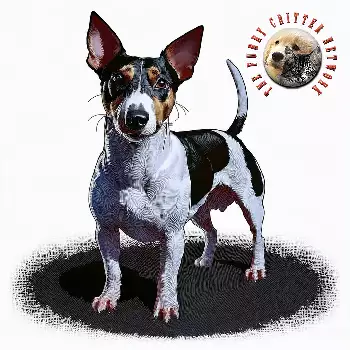
The Rat Terrier presents a compact, elegantly muscled frame that belies its considerable athletic ability and working heritage. The American Kennel Club recognizes two size divisions within the breed: Miniature, standing 10 to 13 inches at the shoulder, and Standard, ranging from 13 to 18 inches. Weight varies accordingly, typically falling between 10 and 25 pounds depending on the individual's height. The breed displays a smoothly muscled body with moderate bone structure, neither too fine nor too heavy, creating an impression of speed, agility, and stamina essential for their original role as farm ratters and hunters. Their genetic heritage includes contributions from Fox Terriers, Bull Terriers, Manchester Terriers, Whippets, and Italian Greyhounds, explaining their athletic versatility. The Rat Terrier's coat is one of its most distinctive features, being short, smooth, and close-lying with a noticeable sheen when properly maintained. The breed must display a pied pattern, meaning white combined with one or more additional colors creating patches and markings across the body. Common color combinations include black, chocolate, tan, red, blue, lemon, and apricot, always appearing with significant white areas that create striking visual contrast. Their wedge-shaped head features a moderately wide skull that tapers toward the muzzle, with erect or tipped ears that are set at the outside edges of the skull. Dark, expressive eyes convey the breed's characteristic alertness, curiosity, and intelligence. Physical proportions contribute to the Rat Terrier's remarkable athleticism and hunting efficiency. The body is slightly longer than tall, with a level topline and well-developed chest providing lung capacity for sustained activity during extended work sessions. Strong, straight front legs and powerful rear quarters with well-bent stifles enable explosive bursts of speed and impressive jumping ability that helped them excel at catching vermin. The tail may be naturally bobbed, docked, or full length, carried in an upward curve when the dog is alert and engaged. Compact, oval feet with well-arched toes and thick pads complete this picture of a versatile working terrier equally suited for hunting vermin or excelling in canine sports.
Key Characteristics
Temperament Temperament Temperament Temperament Temperament Temperament Social behavior in Rat Terriers requires early and ongoing attention. While they are generally affectionate and playful with family members including children, they can display reserved attitudes toward strangers. They typically coexist peacefully with other dogs and cats within their household when properly introduced and socialized, though their terrier nature means they should never be trusted around smaller pets like hamsters or birds. Training should emphasize positive reinforcement methods, keeping sessions short and engaging. Their quick minds and desire to please make them highly trainable when approached with patience and consistency.
Health Considerations Health Considerations Health Considerations Health Considerations Health Considerations Health Considerations Orthopedic concerns also warrant attention in Rat Terriers. Patellar luxation, where the kneecap slips out of position, occurs with some frequency and ranges from mild cases requiring no treatment to severe instances needing surgical correction. Legg-Calve-Perthes disease, involving degeneration of the femoral head in the hip joint, primarily affects young dogs and may require surgery. Hip dysplasia, though less common than in larger breeds, has been reported. Von Willebrand's disease, an inherited bleeding disorder, exists in the breed. Allergies affecting skin and digestive system occur in some individuals, as do dental issues. Regular veterinary care, dental maintenance, appropriate exercise, and weight management help ensure these spirited terriers enjoy their characteristically long lives.
Important to Remember
Each hybrid dog is unique and may inherit any combination of traits from either parent breed. The information above represents the characteristics of the purebred parent breeds. Your Standard Ratzer may favor one parent over the other or display a blend of both. We strongly encourage you to read the complete breed profiles for both the Standard Schnauzer and Rat Terrier to fully understand the range of possible temperaments, health concerns, and care requirements.