Standard Irish Wolf Schnauzer
The Standard Irish Wolf Schnauzer is a cross between the Standard Schnauzer and the Irish Wolfhound. Because each hybrid inherits a unique combination of traits from both parents, we recommend thoroughly researching both breeds before choosing a Standard Irish Wolf Schnauzer. Pay special attention to temperament, health issues, and care requirements, as your dog may express characteristics from either parent breed.
Standard Schnauzer

The Standard Schnauzer is a medium-sized, robust working dog with a distinctive square build that gives it an appearance of strength and agility combined. Males typically stand between 18.5 and 19.5 inches at the shoulder, while females measure between 17.5 and 18.5 inches tall. Weight ranges from 30 to 50 pounds, with males being larger and heavier than females. The body is compact and well-muscled, with a strong, straight back and a deep chest that reaches to the elbows. The overall impression is of a sturdy, capable dog built for endurance and versatility rather than speed. The breed's hallmark is its distinctive wiry double coat, which consists of a harsh, dense outer coat and a soft undercoat. This weather-resistant coat requires regular grooming, including hand-stripping or clipping to maintain its proper texture. Standard Schnauzers come in two accepted colors: pepper and salt, which is a banded gray created by black and white hairs intermixed, and solid black. The pepper and salt coloration can range from light silver-gray to darker shades, with lighter furnishings on the legs, beard, and eyebrows being typical of the pattern. The Standard Schnauzer's head is rectangular and elongated, crowned with the breed's signature bushy eyebrows and luxurious beard that give it a distinguished, almost human expression. The ears are set high and may be cropped to stand erect or left natural, folding forward in a V-shape close to the head. The eyes are medium-sized, dark brown, and oval-shaped, conveying an alert and intelligent expression. The arched eyebrows add to the breed's characteristic keen, spirited look. The tail is traditionally docked in countries where the practice is permitted, carried erect, though natural tails are becoming more common and are carried in a gentle curve. The legs are straight and well-boned, and the feet are compact and round with thick pads suited for various terrains.
Key Characteristics
Temperament Temperament Temperament Temperament Temperament Temperament Standard Schnauzers are devoted family companions who form strong bonds with all family members, though they may select one person as their primary attachment. They are generally good with children when raised together and can be playful and patient with younger family members. However, they tend to be reserved and somewhat suspicious of strangers, requiring proper socialization from puppyhood to develop appropriate responses to new people and situations. With other dogs, they can be dominant and may not tolerate challenges to their authority, making early socialization with other animals important. Their high energy levels demand regular exercise and activity, and they thrive in homes where they can participate in family activities and have opportunities for both physical and mental engagement.
Health Considerations Health Considerations Health Considerations Health Considerations Health Considerations Health Considerations Dilated cardiomyopathy is a heart condition that has been identified in Standard Schnauzers, involving weakening and enlargement of the heart muscle that can lead to heart failure. Regular cardiac evaluations can help detect this condition early. Pancreatitis, an inflammation of the pancreas, occurs with some frequency in the breed and may be triggered by high-fat diets or other factors. Affected dogs typically experience abdominal pain, vomiting, and loss of appetite. Follicular dermatitis and other skin conditions can affect the breed, particularly in relation to their distinctive coat type. Eye conditions, while not extremely common, should be monitored through regular veterinary examinations. Responsible breeders perform recommended health screenings on their breeding stock and are transparent about health history within their lines. Potential owners should request documentation of health testing from any breeder they consider.
Irish Wolfhound
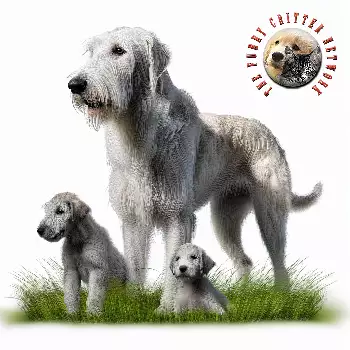
The Irish Wolfhound holds the distinction of being the tallest of all dog breeds recognized by major kennel clubs, presenting a commanding and impressive figure that speaks to its ancient heritage as a hunter of wolves and elk. Males must stand at least 32 inches at the shoulder and typically weigh 120 pounds or more, with many individuals exceeding 34 inches and reaching weights of 140 to 180 pounds. Females are somewhat smaller, with a minimum height of 30 inches and weights typically starting around 105 pounds. Despite their enormous size, Irish Wolfhounds possess a graceful, athletic build that reflects their sighthound ancestry and their historical purpose as coursing dogs capable of great speed. The breed's overall structure resembles that of a Greyhound but is considerably larger and more powerfully built. The body is long and muscular, with a deep chest that provides ample lung capacity for sustained running. The back is relatively long with a slight arch over the loin, and the hindquarters are broad and muscular, providing the driving power needed for pursuit. The legs are long, straight, and well-boned, ending in large, round feet with well-arched toes that provide stability on various terrains. The tail is long and slightly curved, carried low and used as a rudder during high-speed chases. The Irish Wolfhound's coat is rough and harsh to the touch, providing protection from the elements and from undergrowth during hunting. The coat is particularly wiry and long over the eyes and under the jaw, creating the distinctive bushy eyebrows and beard that contribute to the breed's noble expression. Accepted colors include gray, brindle, red, black, white, fawn, and wheaten, with gray being the most commonly seen. The head is long and carried high, with a moderately pointed muzzle and small, rose-shaped ears that fold back against the head. The eyes are dark and express the gentle, kindly nature that characterizes this breed despite its formidable appearance and ancient hunting heritage.
Key Characteristics
Temperament Temperament Temperament Temperament Temperament Temperament As sighthounds, Irish Wolfhounds retain a strong prey drive and instinct to chase moving objects, particularly small animals. This instinct can surface unexpectedly, and owners must be vigilant in securing their property and using appropriate restraint in unfenced areas. Despite their hunting heritage, Irish Wolfhounds are generally excellent with children, displaying remarkable patience and gentleness with younger family members, though supervision is recommended due to their size. They typically coexist peacefully with other dogs and can live harmoniously with cats and other pets, especially if raised together from puppyhood. Training should be gentle and consistent, as these sensitive dogs do not respond well to harsh corrections. Their intelligence is evident, though they may appear slow to respond simply because they prefer to do things at their own unhurried pace.
Health Considerations Health Considerations Health Considerations Health Considerations Health Considerations Health Considerations Gastric dilatation-volvulus, commonly known as bloat, is a life-threatening emergency that can affect deep-chested giant breeds like the Irish Wolfhound. The stomach fills with gas and may rotate, cutting off blood supply and requiring immediate surgical intervention. Many owners opt for prophylactic gastropexy surgery, which tacks the stomach in place to prevent rotation. Hip and elbow dysplasia can affect the breed, causing joint pain and mobility issues. Portosystemic shunt, a liver condition where blood bypasses the liver due to abnormal blood vessel formation, can affect puppies and is typically screened for in responsible breeding programs. Pneumonia poses an elevated risk for the breed, possibly due to their deep chests. Regular veterinary care, appropriate nutrition designed for giant breeds, controlled exercise during growth phases, and awareness of the signs of common conditions all contribute to maximizing the health and longevity of these beloved giants.
Important to Remember
Each hybrid dog is unique and may inherit any combination of traits from either parent breed. The information above represents the characteristics of the purebred parent breeds. Your Standard Irish Wolf Schnauzer may favor one parent over the other or display a blend of both. We strongly encourage you to read the complete breed profiles for both the Standard Schnauzer and Irish Wolfhound to fully understand the range of possible temperaments, health concerns, and care requirements.