Standard Bolonauzer
The Standard Bolonauzer is a cross between the Bolognese and the Standard Schnauzer. Because each hybrid inherits a unique combination of traits from both parents, we recommend thoroughly researching both breeds before choosing a Standard Bolonauzer. Pay special attention to temperament, health issues, and care requirements, as your dog may express characteristics from either parent breed.
Bolognese
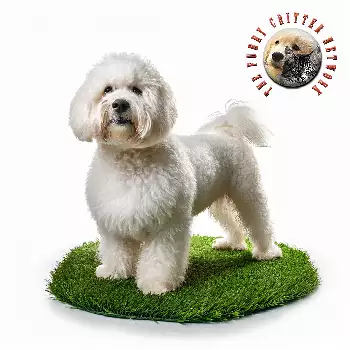
The Bolognese is an enchanting small companion dog belonging to the Bichon family, characterized by its distinctive pure white coat and compact, sturdy build. Males ideally stand 9.5 to 11 inches at the shoulder while females measure 9 to 10.5 inches, with the ideal weight not exceeding 10 pounds for either sex. The breed presents a square silhouette, with the body length from point of shoulder to point of buttock equal to the height at the withers. Despite its small size, the Bolognese possesses a compact body with considerable substance and medium bone, never appearing delicate or frail. The head features a skull that is slightly oval when viewed from above, with a well-defined stop and a muzzle approximately two-fifths the total head length. The large, round eyes are dark ochre in color with well-pigmented black rims, set in a sub-frontal position that creates the breed's characteristic intelligent, rather serious expression. The nose is large and black, and the ears are set high, long and hanging but rigid at the base, carried away from the head to give a broad appearance to the skull. The body exhibits ample chest depth reaching to the elbows, well-sprung ribs, a straight back, short strong loin, and a broad, slightly sloping croup. The Bolognese's most distinguishing feature is its long, fluffy coat consisting of pure white hair that falls in open ringlets or flocks all over the body, with shorter hair on the face. Coat texture ranges from coarse to smooth, and curl pattern from loose to tight, though correct coat is considered essential to breed type. The coat stands off from the body rather than lying flat, creating a slightly unkempt, cottony appearance. The tail is set in line with the croup and curves gracefully over the back. Movement at a trot is free, effortless, and smooth with a noble and distinguished head carriage. Young dogs may display champagne tones on the ears until 18 months of age, which is perfectly acceptable.
Key Characteristics
Temperament Temperament Temperament Temperament Temperament Temperament The breed tends to be shy and reserved with strangers, requiring time to warm up to new people. Early and ongoing socialization is essential to prevent excessive timidity or fearfulness in adult dogs. Bolognese are intelligent and eager to please, making them relatively easy to train using positive reinforcement methods. They respond well to attention and praise rather than food rewards, as many have little interest in treats. The breed is generally gentle with children and compatible with other pets when properly introduced. Their vigilant nature means they will bark to alert owners of unusual activity, though they are not typically excessive barkers.
Health Considerations Health Considerations Health Considerations Health Considerations Health Considerations Health Considerations Eye conditions including cataracts and progressive retinal atrophy occur in the breed, potentially affecting vision if left untreated. Responsible breeders have their dogs' eyes screened before breeding to reduce the incidence of hereditary eye diseases. Hip dysplasia, though less common than in larger breeds, can affect Bolognese and should be screened for in breeding animals. Dental disease is common due to the small jaw, requiring regular dental care including daily brushing and professional cleanings. Allergies may cause skin issues and ear infections. Obesity can develop if food intake is not monitored, as the breed's low activity level means fewer calories are burned. Regular veterinary checkups, appropriate dental care, proper nutrition, and purchasing puppies from health-tested parents all contribute to maximizing the health of these devoted companion dogs.
Standard Schnauzer

The Standard Schnauzer is a robust, heavy-set medium-sized dog that presents a square-built silhouette with excellent muscle development and ample bone structure. Males stand ideally between 18.5 to 19.5 inches at the highest point of the shoulder blades, while females measure 17.5 to 18.5 inches, with dogs measuring more than half an inch over or under these limits subject to disqualification. The body proportion is distinctly square, with height at the withers equaling the body length from breastbone to point of rump. Weight typically ranges from 35 to 50 pounds for males and 30 to 45 pounds for females. The head is strong, rectangular, and elongated, narrowing slightly from the ears to the eyes and again to the tip of the nose. The total head length is approximately half the length of the back measured from withers to tail set. The skull is moderately broad between the ears and flat on top, with a slight stop accentuated by wiry brows. Eyes are medium-sized, dark brown, and oval in shape, conveying an alert, highly intelligent, and spirited expression. Ears may be cropped or uncropped; if uncropped, they are V-shaped, medium-sized, and carried forward with the inner edge close to the cheek. The hallmark of all Schnauzer breeds is the distinctive facial furnishings including arched, wiry eyebrows and a bristly mustache and beard that give the breed its characteristic appearance. The coat is tight and dense, consisting of a hard, wiry outer coat and soft undercoat. On the muzzle and over the eyes the coat lengthens to form the beard and eyebrows, with longer hair also on the legs. Acceptable colors are pepper and salt or pure black. The pepper and salt coloration results from the combination of black and white hairs and white hairs banded with black, creating shades from dark iron gray to silver gray. The tail is set moderately high and carried erect. Movement is sound, strong, quick, free, and true with powerful hindquarter drive.
Key Characteristics
Temperament Temperament Temperament Temperament Temperament Temperament The Standard Schnauzer's exceptional intelligence makes early socialization and consistent training essential to develop a well-adjusted adult dog. They learn quickly and can become bored with repetitive exercises, sometimes outsmarting less experienced trainers. Training should be firm yet positive, as the breed does not respond well to harsh corrections and will remember negative treatment. They require significant daily exercise and mental stimulation; without adequate outlets, they may create their own entertainment in potentially destructive ways. Standard Schnauzers typically do well with children, having earned the German nickname kinderwachter, meaning children's guardian. They may be dominant with other dogs, particularly those of the same sex, and their prey drive makes them unreliable around small animals like hamsters or rabbits.
Health Considerations Health Considerations Health Considerations Health Considerations Health Considerations Health Considerations Pancreatitis, inflammation of the pancreas, occurs with higher frequency in Standard Schnauzers than in most other breeds. This condition causes severe abdominal pain, vomiting, and digestive disturbances, with severity ranging from mild cases manageable with diet modification to life-threatening episodes requiring hospitalization. Maintaining a healthy weight and avoiding high-fat diets may help reduce risk. Eye problems including cataracts can develop, particularly in older dogs, potentially affecting vision if left untreated. Hypothyroidism, an underactive thyroid gland, occurs in the breed and causes symptoms including weight gain, lethargy, skin problems, and coat changes. Epilepsy affects some individuals, typically appearing between one and three years of age. Follicular dermatitis may cause skin irritation. Regular veterinary care, appropriate health screening, and purchasing puppies from responsible breeders who test for known hereditary conditions all contribute to ensuring the healthiest possible Standard Schnauzer.
Important to Remember
Each hybrid dog is unique and may inherit any combination of traits from either parent breed. The information above represents the characteristics of the purebred parent breeds. Your Standard Bolonauzer may favor one parent over the other or display a blend of both. We strongly encourage you to read the complete breed profiles for both the Bolognese and Standard Schnauzer to fully understand the range of possible temperaments, health concerns, and care requirements.